Delhi sets a four-month winter plan as toxic air returns
The Delhi government has announced a four-month winter action plan as hazardous seasonal air returns to the capital. Experts cited by the BBC say the plan will not be enough on its own.
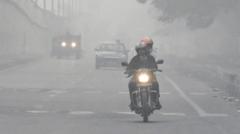
Delhi’s government has announced a four-month winter action plan as toxic air returns to the Indian capital, according to a BBC Science report. The same account says experts believe the plan will not be enough to deal with the season ahead.
The announcement places official preparation at the center of a problem residents face every cold season: air that thickens as temperatures fall and stays hazardous for weeks. The BBC framed the question directly—whether the capital is ready—and the expert view it reported was that a seasonal package alone falls short.
Public details of what the four-month plan contains were not set out in the material available here. What is clear from the report is the government’s intent to run a defined winter program, and the judgment from specialists that those steps will not match the scale of the pollution.
Delhi’s winter air is a recurring public-health emergency rather than a one-off spike. Each year, as the weather turns, smoke, dust, and exhaust linger over the city. Low wind and cooler air near the ground can trap pollutants instead of letting them disperse, so emissions that might thin out in warmer months build into a persistent haze.
The mix is widely understood to come from several sources at once. Vehicles, construction dust, industry, and household and waste burning inside the capital sit alongside smoke from farm-residue fires in the surrounding farm belt. No single lever removes the problem, which is why seasonal crackdowns often collide with the limits of what a city government can control on its own.
That is the context in which specialists’ skepticism matters. A four-month action plan can tighten enforcement, restrict the dirtiest activities, and coordinate agencies while the risk is highest. It cannot, by itself, retire the vehicles, fuels, and regional burning patterns that reload the air each winter. The BBC’s reporting captures that gap: preparation is underway, and experts still say it is not sufficient.
The stakes are immediate for people who live and work outdoors, for children and older residents, and for anyone with asthma or heart and lung disease. Schools, hospitals, and daily commutes all absorb the cost when the air stays poor. Even residents without a diagnosed illness are exposed for months, not hours.
Delhi has spent years cycling through emergency restrictions when pollution peaks. Those responses can slow the worst days. They also tend to arrive after the air has already deteriorated, and they ease once the season passes, leaving the underlying sources in place for the next winter.
Whether this year’s plan changes that pattern will depend on measures the available report does not enumerate, and on how firmly they are enforced once the haze sets in. Neighboring states and farm fires sit outside a city plan’s direct reach, so coordination beyond Delhi will shape the outcome as much as rules inside the capital.
What happens next is the test the BBC’s question points to. The government has put a four-month framework on the table. Experts quoted in that coverage do not expect it to be enough. Residents will judge the plan by the air they breathe through the winter, not by the announcement itself.
Primary source: BBC Science. Newzly rewrites and structures source reporting for clarity; verify critical details at the original.