culture·Uttar Pradesh·Varanasi District
Dev Diwali 2026: Significance of Deep Daan, Sun Worship, and Shiva's Victory
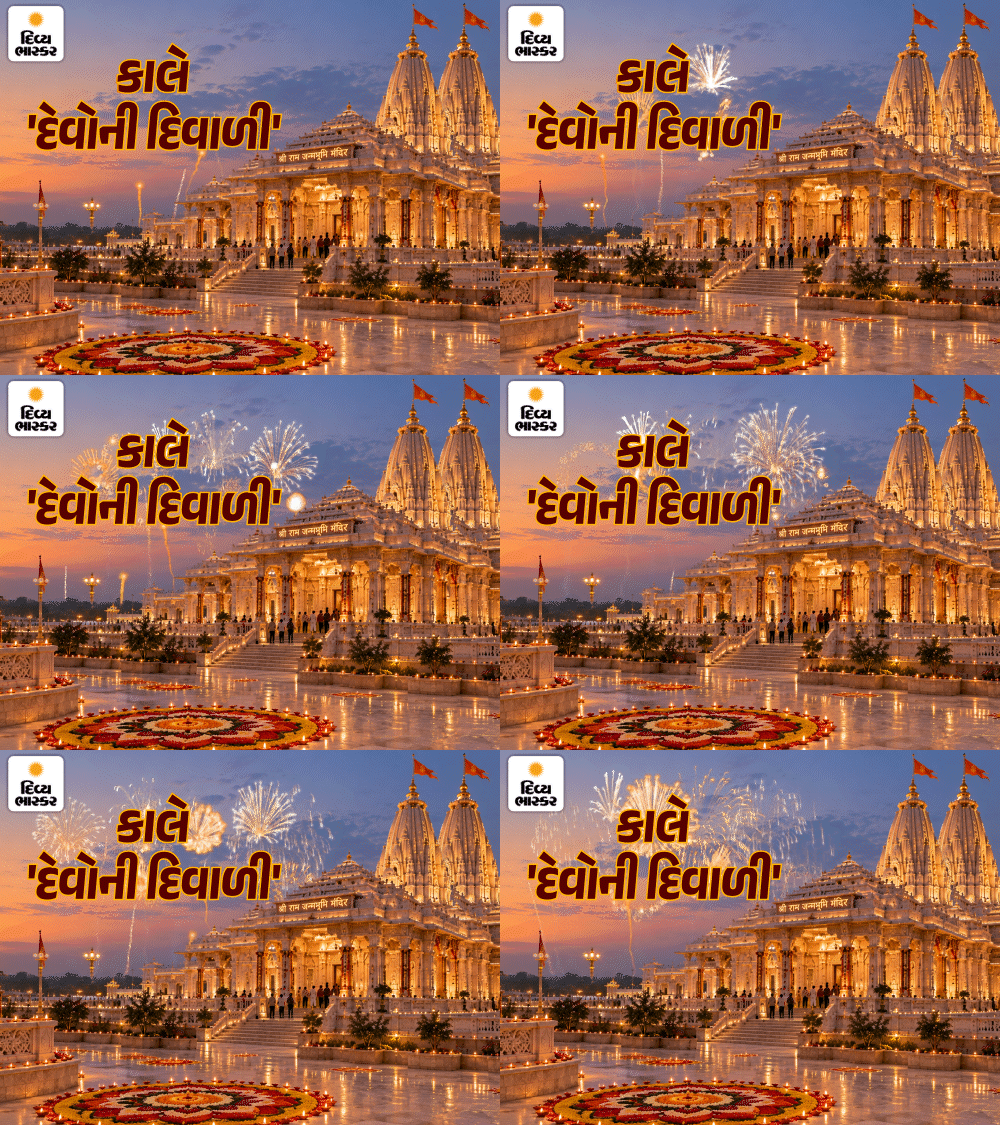
Devotees across India are preparing to observe Dev Diwali on Kartik Purnima, a festival believed to confer enduring spiritual merit through morning sun offerings, sacred lamp donations, and remembrance of Lord Shiva's victory over Tripurasura.
In this piece
Dev Diwali, celebrated on the full moon of the Hindu month of Kartik, brings together traditions of dawn prayers to the Sun, ritual river baths, and the…
Preparations are underway for the annual observance of Dev Diwali, celebrated across India on Kartik Purnima, the full moon day of the holy month of Kartik. The festival, often referred to as the Diwali of the Gods, is traditionally believed to bring boundless spiritual merit, known as akshaya punya, to those who perform sacred observances. Temples, river ghats, and residential households are readying traditional earthen lamps to mark the culmination of the Kartik month.
According to traditional custom, religious observances begin at dawn with purification rituals and prayers directed toward the Sun god, Surya. Devotees are encouraged to wake during the auspicious pre-dawn hours to perform a ritual bath before offering arghya, a ceremonial libation of water, to the rising sun. Spiritual teachers note that dedicating the start of the day to the sun fosters physical vitality, mental clarity, and spiritual alignment.
A central pillar of the festival is deep daan, the ceremonial donation and lighting of oil and ghee lamps at sacred water bodies, shrines, and public spaces. Thousands of small clay lamps are set afloat on sacred rivers and arranged around domestic courtyards to dispel physical and spiritual darkness. Faith traditions hold that lighting lamps on this full moon night honors the celestial deities and invites enduring peace and prosperity into the household.
The sacred calendar ties Kartik Purnima closely to ancient legends concerning Lord Shiva and his cosmic battle against the demon Tripurasura. Mythological texts recount that Tripurasura had conquered the three celestial realms, causing widespread distress among the gods and sages. In response to prayers from the deities, Shiva assumed a formidable form and vanquished the demon along with his three floating fortresses, earning the revered title of Tripurari.
Tradition holds that upon the defeat of Tripurasura, the gods descended to earth in jubilant celebration, illuminating the sacred banks and skies with celestial lights. This celestial rejoicing gave rise to the designation of Dev Diwali, signifying the day the gods themselves illuminate the cosmos in gratitude. Devotees honor this divine joy by replicating the celestial illumination through terrestrial lamps across towns and pilgrimage centers.
The day also marks the formal conclusion of the sacred month of Kartik, considered one of the most spiritually significant periods in the Hindu lunar calendar. Throughout the month, practitioners observe various disciplines, including dietary restrictions, dawn bathing, and heightened charity. Kartik Purnima represents the zenith of these spiritual practices, offering an occasion to conclude religious vows with prayer and generous giving.
Beyond ritual bathing and lamp lighting, acts of daan, or charitable donation, form an integral component of the festival schedule. Worshippers distribute food, warm clothing, and financial assistance to those in need, reflecting the belief that virtuous deeds on Kartik Purnima yield multiplied spiritual rewards. Local communities and temple trusts frequently coordinate large-scale feeding drives and cultural gatherings to mark the sacred evening.
While the festival holds exceptional prominence along the ghats of Varanasi and in parts of northern and western India, the underlying observances resonate across multiple regions. Pilgrims gather at major rivers, lakes, and coastal shrines from early morning until late at night to take part in congregational worship. Public squares and cultural organizations also organize musical recitals and religious discourses that retell traditional narratives surrounding the auspicious full moon.
As evening approaches on the day of observance, ghats and temples will witness the lighting of thousands of lamps, culminating in elaborate aarti ceremonies conducted by priests and community elders. Devotees will conclude their fasts and festive observances following the moonrise, carrying forward hopes for harmony and spiritual renewal. Observers and community leaders anticipate high turnout at riverside sanctuaries as families gather to share in the enduring traditions of light and devotion.
Primary source: Divya Bhaskar Dharm Darshan. Newzly rewrites and structures source reporting for clarity; verify critical details at the original.