Bay of Bengal Cyclone Forecast to Bring Heavy Rain to Coastal Andhra Pradesh
A developing cyclonic system over the Bay of Bengal is forecast to bring isolated heavy rainfall and gusty winds to coastal Andhra Pradesh between November 18 and 20, prompting weather alerts and maritime advisories.
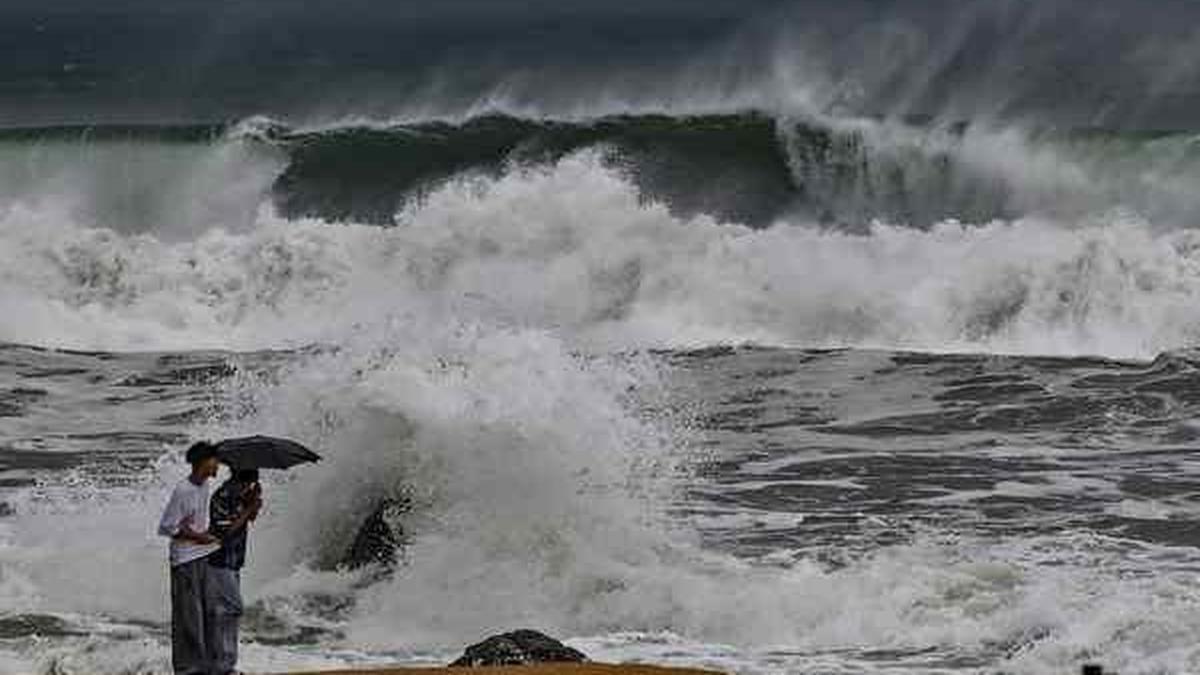
In this piece
A weather disturbance in the Bay of Bengal is expected to intensify into a cyclonic storm, triggering isolated heavy downpours across coastal Andhra Pradesh…
A weather disturbance brewing over the Bay of Bengal is likely to intensify into a cyclonic storm, threatening to trigger isolated heavy rainfall across coastal Andhra Pradesh from November 18 to November 20. According to forecasts issued by the India Meteorological Department center in Amaravati, the developing system is expected to generate squally conditions and thunderstorms across vulnerable coastal stretches over the three-day window.
Meteorologists reported that the low-pressure area situated over the southeast Bay of Bengal is projected to concentrate into a depression before strengthening further into a cyclone over central oceanic waters. As the system tracks across the maritime basin, peripheral rain bands are anticipated to sweep ashore, bringing wet and unstable conditions to coastal belts and adjoining pockets including Yanam.
Along with rainfall, the meteorological office cautioned that gusty surface winds reaching speeds between 40 and 50 kilometers per hour could sweep along and off the Andhra Pradesh shoreline. Higher gusts are probable in areas situated closest to the system's prevailing track, raising concerns over localized structural damage and disruption to coastal transit.
In response to the deteriorating atmospheric setup, weather authorities have issued direct advisories to the regional maritime community. Fishermen operating in the deep sea have been urged to return promptly to shore and suspend all offshore operations, as sea conditions over the central and southwest Bay of Bengal are forecast to turn rough to very rough.
The post-monsoon period across October and November historically represents peak cyclone season along the eastern seaboard of India. The Bay of Bengal routinely experiences elevated cyclonic activity during these late autumn weeks, driven by warm sea surface temperatures and favorable low-level wind convergence patterns that allow low-pressure formations to rapidly consolidate.
Andhra Pradesh possesses one of peninsular India's longest and most vulnerable coastlines, frequently facing erratic late-season depressions that complicate rural logistics and agricultural operations. Low-lying tracts, delta settlements, and standing kharif crops in coastal districts often experience the brunt of unseasonal heavy downpours, waterlogging, and soil saturation whenever offshore systems linger near the coast.
State disaster management machinery and district administrative bodies typically monitor such atmospheric disturbances closely from their initial low-pressure stages. While isolated heavy rainfall may avoid statewide inundation, localized cloudbursts and convective squalls can quickly overwhelm urban storm drainage and cause sudden surges in local canal networks.
Meteorological agencies emphasized that while model guidance points to intensification, precise tracks and local impacts depend heavily on ambient steering winds and ocean heat content. Because tropical systems over the Bay of Bengal can alter course or vary in forward speed as they encounter dry air or vertical wind shear, forecasters maintain that rainfall distribution could evolve over the coming days.
Authorities have asked residents in coastal belts to remain vigilant, observe official safety bulletins, and avoid non-essential coastal travel while the disturbance remains active offshore. The India Meteorological Department will release continuous synoptic bulletins tracking the system's central pressure, coordinates, and potential landfall corridors as it moves through the Bay of Bengal toward November 20.
Primary source: Google News Andhra Pradesh. Newzly rewrites and structures source reporting for clarity; verify critical details at the original.