Devuthani Ekadashi Aligns With Friday as Devotees Celebrate With Special Prayers
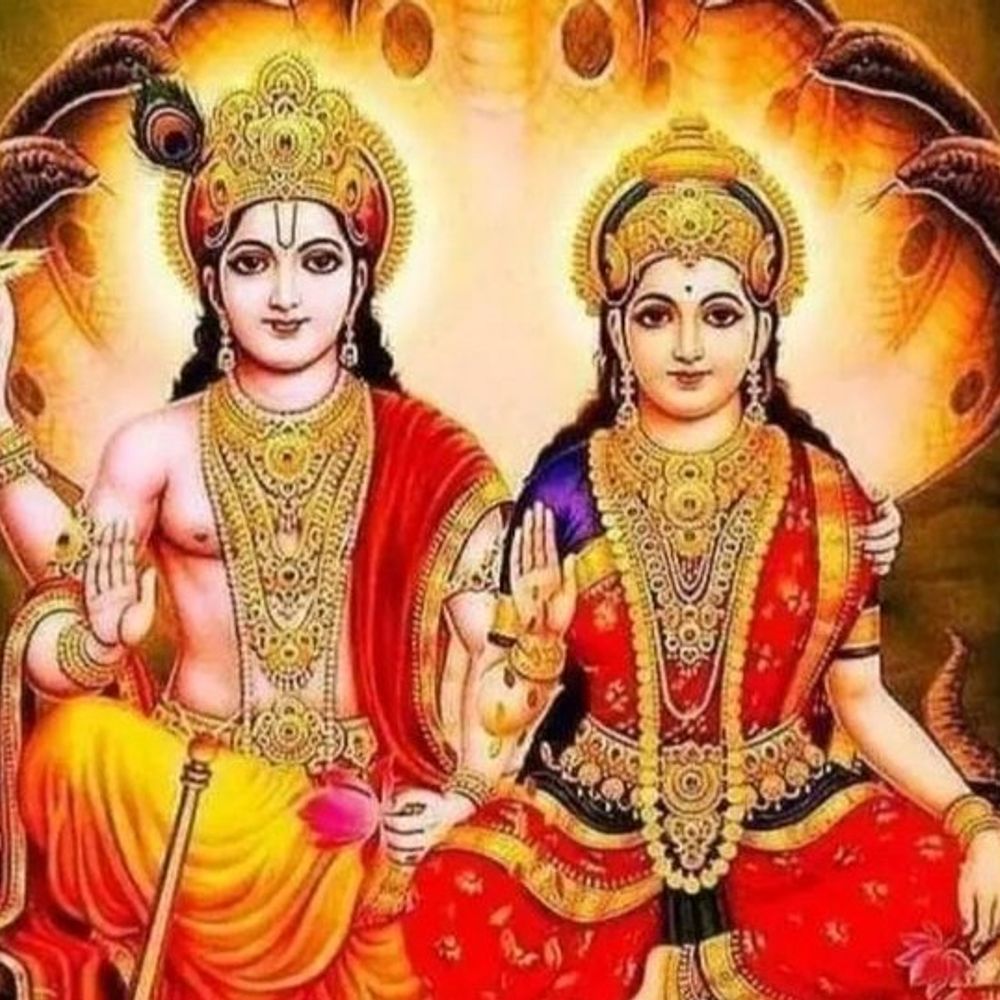
The sacred observance of Devuthani Ekadashi coincides with Friday, prompting devotees to combine traditional worship of Lakshmi-Narayana and the planet Venus with evening rituals around the sacred Tulsi plant.
In this piece
Devuthani Ekadashi marks the conclusion of the four-month Chaturmas period, signaling the awakening of Lord Vishnu and the return of auspicious celebrations.…
The observance of Devuthani Ekadashi coincided with Friday this year, creating an auspicious alignment under traditional Hindu astrological calendars. Devotees across the country marked the occasion with dedicated prayers to Lord Vishnu and Goddess Lakshmi, observing day-long fasts and devotional practices. Religious commentators noted that the rare convergence of the sacred eleventh lunar day with Friday enhances the spiritual significance of the day's rituals.
According to traditional Hindu almanacs, Devuthani Ekadashi, also recognized as Prabodhini Ekadashi, marks the conclusion of the four-month Chaturmas period. During these four months, Lord Vishnu is believed in Hindu theology to remain in a state of cosmic slumber known as Yoga Nidra. The festival signifies his awakening, heralding the resumption of auspicious ceremonies, marriages, and sacred rites across Hindu households.
A distinctive element highlighted in spiritual advisories for this year's observance is the conjunction with Friday, a day traditionally dedicated to Goddess Lakshmi and governed by the planetary influence of Shukra, or Venus. Astrological commentators suggest that worshipping Lakshmi-Narayana alongside the planet Venus on this day brings material harmony, prosperity, and peace to families. Devotees frequently perform special recitations and offer sacred items during morning and evening devotional assemblies.
Key ceremonial observances emphasize the worship of the Tulsi, or holy basil plant, particularly during the evening hours. Observers are advised to light a traditional earthen lamp with pure ghee near the Tulsi plant immediately following sunset. The offering of the lamp is accompanied by the recitation of traditional Vishnu hymns and circumambulation around the sacred plant.
The festival also directly initiates the ceremonial prelude to Tulsi Vivah, the symbolic ceremonial union between the sacred basil plant and Lord Shaligram, an iconic representation of Lord Vishnu. The marriage of Tulsi is traditionally performed starting from Devuthani Ekadashi through the full moon of Kartik Purnima. Families prepare decorative altars featuring sugarcane canopies, seasonal fruits, and turmeric root to celebrate the ritual wedding.
Fasting rituals form another central pillar of Devuthani Ekadashi, with observers maintaining strict dietary restrictions throughout the daytime. Devotees traditionally consume only fruits, milk products, and non-cereal preparations, avoiding grains, lentils, and certain vegetables. The fast is traditionally concluded the following morning on Dwadashi after performing morning prayers and offering food or alms to the needy.
Cultural and astrological scholars emphasize that planetary remedies linked to Shukra are especially prominent when the festival falls on a Friday. Believers are encouraged to wear clean light-colored or white garments, offer white flowers or kheer to Goddess Lakshmi, and avoid discord during devotional hours. These observances are understood within cultural lore to strengthen Venusian virtues such as grace, creative expression, and relational goodwill.
Temples and pilgrimage centers traditionally report substantial influxes of worshippers for morning prayer ceremonies and evening deepotsav celebrations. In riverside towns and holy sites, ritual baths in sacred waters precede temple visits and community scripture readings. Many shrines arrange elaborate floral decorations and organize collective chanting of the Vishnu Sahasranama to commemorate the deity's awakening.
The timing of the festival holds immense cultural and social weight across regional communities, as it formally ends the seasonal hiatus on Hindu weddings and housewarming ceremonies. Event planners, priests, and banquet managers prepare for a surge in bookings as auspicious astrological dates become available for matrimonial functions. The coming weeks following Devuthani Ekadashi typically see the busiest spell in the domestic festive and wedding retail calendar.
Primary source: Divya Bhaskar Dharm Darshan. Newzly rewrites and structures source reporting for clarity; verify critical details at the original.