Dietitians Highlight Halim Seeds as a Potent Superfood for Weight Loss and Sugar Control
Dietitians are highlighting traditional halim seeds as an indigenous superfood capable of aiding weight loss and regulating blood sugar, provided consumers adopt proper preparation and moderation.
In this piece
Dietitians and nutrition experts are drawing attention to halim seeds, highlighting their potential to support weight loss and stabilize blood sugar levels.…
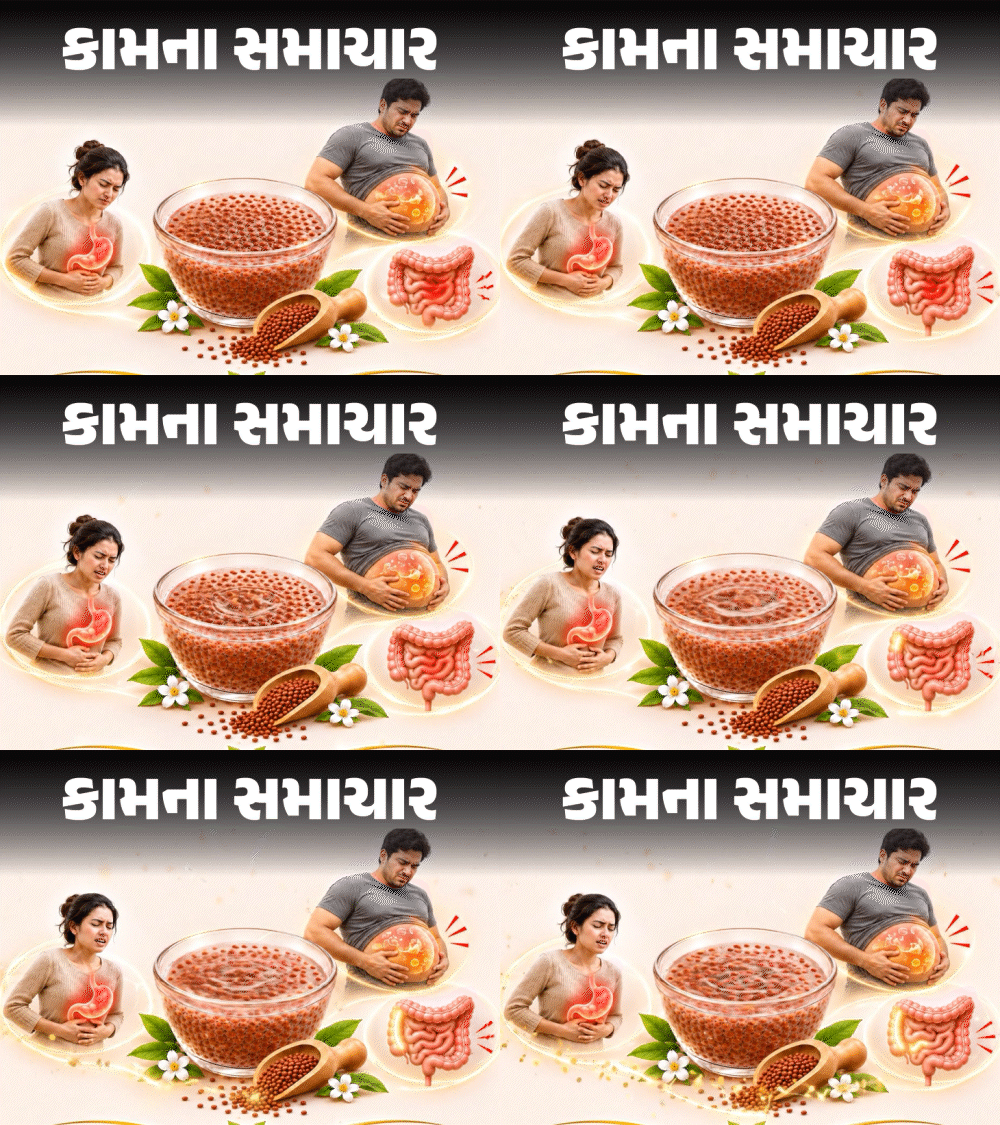
Dietitians and wellness specialists are spotlighting garden cress seeds, traditionally known in India as halim or aliv seeds, as a nutrient-dense traditional superfood offering significant health benefits. The tiny red seeds have garnered renewed interest across lifestyle and nutritional circles for their role in managing blood sugar levels and supporting healthy weight loss.
According to dietary specialists, halim seeds are rich in dietary fiber and plant-based protein, which work together to promote satiety and reduce appetite. When ingested after soaking, the seeds expand and form a gel-like coating that slows digestion, helping individuals curb unnecessary cravings throughout the day. This prolonged feeling of fullness makes them an effective dietary addition for individuals looking to maintain or reduce body weight naturally.
Beyond weight management, experts emphasize the role of halim seeds in assisting glycemic control. The complex carbohydrates and soluble fiber found in garden cress seeds help moderate the absorption of glucose into the bloodstream, preventing abrupt spikes in post-meal blood sugar levels. Nutrition counselors frequently suggest integrating small portions into balanced diets for individuals managing prediabetes or type 2 diabetes under medical supervision.
Nutritionists also note that halim seeds serve as a powerhouse of essential micronutrients, particularly non-heme iron and folic acid. This high iron density makes the traditional seed a frequent recommendation in Indian households to combat nutritional deficiencies and mild anemia. Consuming the seeds alongside vitamin C sources, such as lemon water, is often suggested to enhance iron bioavailability.
In traditional wellness practices, garden cress seeds have long been valued for supporting reproductive and hormonal health. Dietitians point to the presence of phytochemicals that resemble estrogen, which may help regulate irregular menstrual cycles in women. Furthermore, postpartum care traditions frequently incorporate halim preparations, such as laddoos or warm infusions, to assist nursing mothers with lactation recovery.
The therapeutic qualities of halim seeds extend to digestive wellness and immune resilience. The mucilaginous fiber aids in easing bowel movements, providing mild relief from intermittent constipation and supporting gut microbiome diversity. Concurrently, the antioxidant compounds, vitamins A and E, and minerals found in the seeds help reduce oxidative stress and reinforce natural immune defenses.
Despite their comprehensive health benefits, dietitians emphasize that the method of consumption is critical to reaping their advantages safely. Experts recommend soaking a small quantity—typically half to one teaspoon—in water or milk for a few hours before eating, as unsoaked seeds can be difficult to digest. The soaked mixture can then be consumed directly, stirred into smoothies, or blended with warm milk before bedtime.
Health authorities and dietary advisors strongly urge moderation, cautioning that excessive consumption of halim seeds can trigger adverse effects. Because the seeds possess mild goitrogenic properties that can interfere with iodine absorption, individuals with thyroid disorders are advised to consult physician guidance prior to regular use. Similarly, pregnant women are advised to exercise caution due to the seeds' traditional association with uterine contractions.
The modern resurgence of halim seeds reflects a broader shift toward integrating indigenous, affordable whole foods into contemporary preventative healthcare regimens. As consumers increasingly scrutinize processed dietary supplements, time-tested staples from traditional culinary medicine are receiving structured clinical attention. Nutrition professionals conclude that while halim seeds provide potent metabolic and nutritional support, they function best within an overall balanced diet and active lifestyle.
Primary source: Divya Bhaskar Lifestyle. Newzly rewrites and structures source reporting for clarity; verify critical details at the original.