How Australian Television Reached Global Audiences and Sparked a Cultural Wave
From runaway animated hits like Bluey to acclaimed comedies, Australian television productions are sweeping global streaming charts. The surge is introducing overseas audiences to distinct vernacular and reversing historic media dynamics.
In this piece
Australian television shows like Bluey and Colin from Accounts have gained massive international followings, prompting audiences worldwide to embrace Australian…
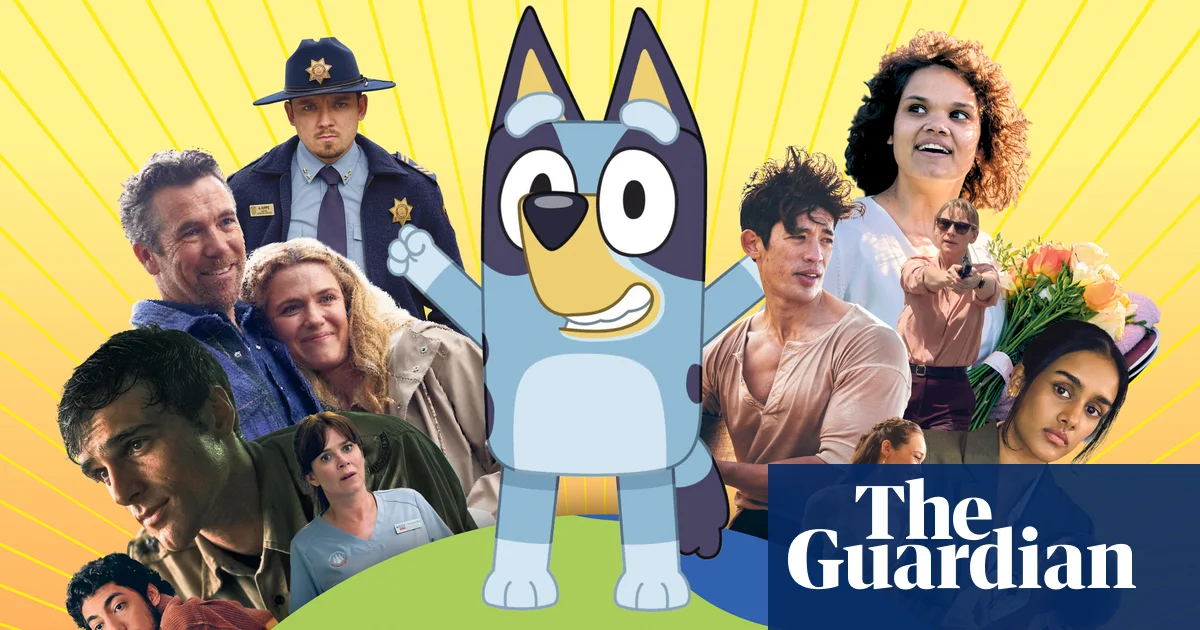
Australian television productions are experiencing an unprecedented surge in international reach, captivating global audiences and reshaping international viewing habits. Hit series ranging from the critically acclaimed comedy Colin from Accounts to the wildly popular children's animation Bluey have transitioned from homegrown successes into bona fide international phenomena. The widespread popularity of these programs reflects a major shift in how Australian screen culture is exported and embraced across foreign markets.
The impact of this cultural wave has become visible in everyday households around the world, particularly through the speech patterns of younger viewers. Parents across multiple countries began noticing an unexpected trend roughly four years ago, as children watching Australian broadcasts started adopting regional phrasing and Australian accents. Everyday colloquialisms such as "dunny" for toilet and "brekky" for breakfast have entered the everyday vocabularies of young fans without hesitation.
Central to this worldwide recognition is Bluey, the animated series centered on a playful blue heeler dog and her family that has climbed to become one of the most watched programs globally. Produced by Ludo Studio, the show's authentic storytelling, humor, and domestic warmth have resonated across generations of viewers. The animation's broad appeal has demonstrated that distinctively localized content can achieve top-tier international viewership without diluting its cultural roots.
For the creators behind these shows, the global embrace represents a striking inversion of longstanding cultural dynamics. Daley Pearson, co-founder of Ludo Studio, reflected on the historical contrast between his own upbringing and the current media landscape. Pearson recalled adopting an American accent while playing with his toys as a child, noting that watching international audiences absorb Australian idioms feels like the colony taking back over.
Historically, smaller English-language markets often absorbed significant volumes of entertainment imported from the United States and the United Kingdom. For decades, foreign television landscapes rarely made sustained space for Australian vernacular unless framed through broad caricature or niche specialty broadcasts. The recent crossover success of shows like Colin from Accounts suggests international audiences are now seeking out nuanced, character-driven narratives regardless of national origin.
The expansion of global streaming platforms has played a transformative role in democratizing access to foreign television catalogs. Whereas traditional broadcast syndication previously imposed regional barriers and scheduling hurdles, digital distribution models allow international viewers to discover regional programming instantaneously. This shift has eliminated the conventional assumption that local references must be softened or neutralized for international commercial viability.
Industry analysts and creators emphasize that authenticity has become an asset rather than a liability in global media markets. Audiences increasingly gravitate toward projects that feature specific, grounded cultural perspectives rather than generic, homogenized formats designed to please everyone. The widespread celebration of distinctly Australian settings and dialogue indicates a growing global appetite for singular creative voices.
The overseas triumph of domestic hits also provides significant momentum for Australian writers, performers, and production houses seeking sustainable international partnerships. As international commissioners take note of robust viewing figures, creative talent down under is securing greater leverage in co-production agreements and distribution deals. This expanded commercial interest reinforces the economic viability of telling stories rooted in local communities and domestic environments.
As Australian productions continue to circulate internationally, the broader entertainment sector is watching to see how this cultural export footprint evolves. With programs continuing to command substantial streaming audiences, creators are demonstrating that hyper-local narratives can command worldwide attention. For audiences and industry observers alike, the ongoing popularity of Australian television signals a more interconnected and diverse global television landscape.
Primary source: The Guardian Culture. Newzly rewrites and structures source reporting for clarity; verify critical details at the original.