Divya Bhaskar feature says men feel emotional pain too
A Divya Bhaskar Magazine item framed around men’s mental health in Gujarat argues that emotional distress is not only a women’s issue. The published text available here is limited to the headline.
In this piece
Divya Bhaskar Magazine has highlighted men’s mental health under a Gujarati headline that translates as men feeling pain too. The item is tied to awareness in…
Divya Bhaskar Magazine has published a feature on men’s mental health under the Gujarati headline “મનદુરસ્તી:મર્દને પણ દર્દ થાય છે,” which translates as a reminder that men also feel pain. The web address identifies the piece as a men’s mental health awareness item connected with Gujarat.
The headline and URL are the substance available for this account. A fuller article text, interviews, and any figures the magazine may have used were not included in the source material supplied for rewriting, so those details are not restated here.
The framing is straightforward. The piece presents emotional distress as something men experience, and it places that point in a public conversation about mental health rather than treating it as a private exception.
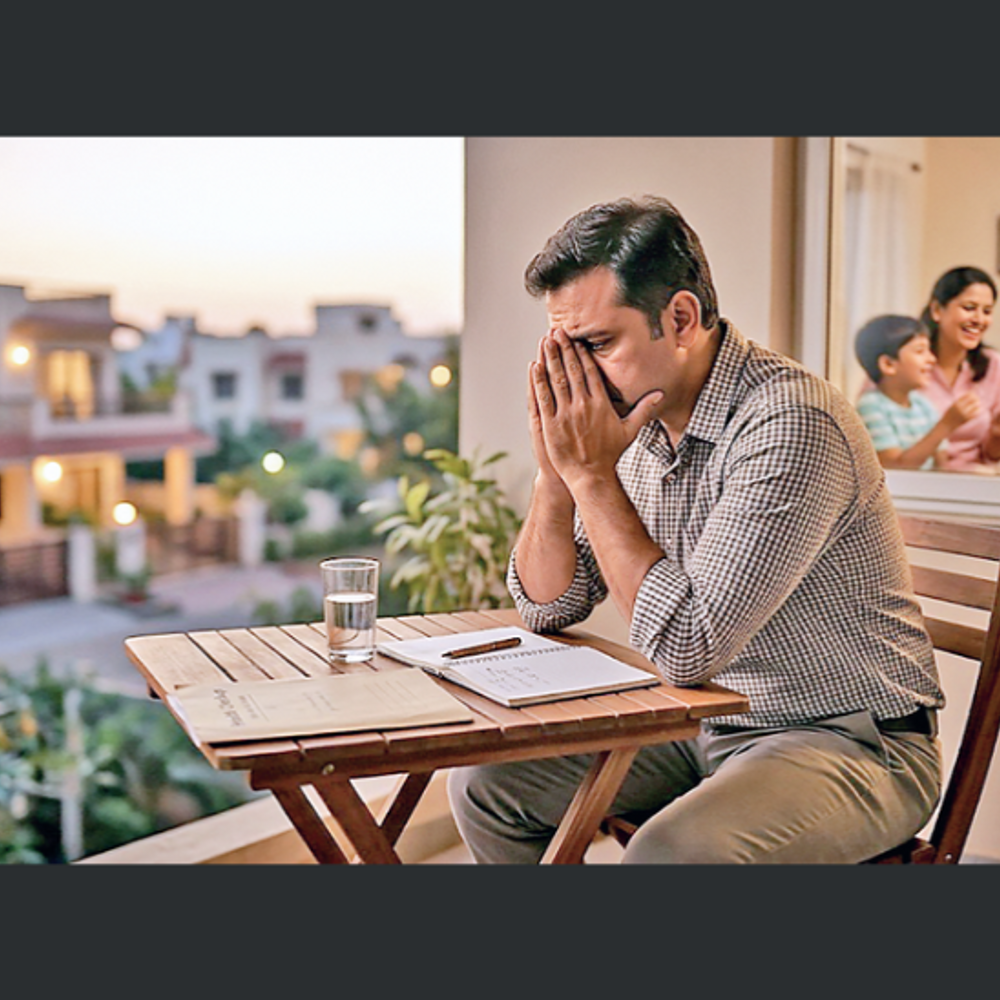
In many communities, including in India, men are often expected to appear steady, provide for families, and keep hardship to themselves. That social script can make sadness, anxiety, or burnout harder to name, even when the distress is serious. The magazine headline pushes against that silence by saying, in plain language, that men hurt too.
Gujarat is the locality signaled by the item. The material does not identify a city, district, hospital, clinic, or campaign, so this account does not assign the story to a narrower place or institution.
Why the subject matters is widely recognized in public-health discussion, separate from any single magazine feature. Untreated distress can affect work, relationships, and physical health. When stigma is stronger for men, people may delay asking for help, and family members may miss warning signs because they expect men not to talk about pain.
Awareness writing of this kind usually tries to do a limited job: normalize the idea that emotional pain is real, and point readers toward conversation rather than endurance alone. Whether this Divya Bhaskar item names helplines, clinicians, or reader stories cannot be confirmed from the headline alone.
Readers looking for practical next steps should treat the magazine as the primary account and look to qualified local health services for care. This rewrite does not add hotline numbers, prevalence rates, or expert quotations, because none were present in the source text provided.
What happens next depends on how the feature is read and followed. If the magazine’s full piece includes personal accounts or guidance, those details remain with the original publication. The headline itself already states the core claim the outlet chose to lead with: men, too, live with emotional pain, and that pain belongs in the mental-health conversation in Gujarat.
Primary source: Divya Bhaskar Magazine. Newzly rewrites and structures source reporting for clarity; verify critical details at the original.