Divya Bhaskar magazine feature says men feel emotional pain too
A Divya Bhaskar Magazine item under the mental-health banner argues that men also suffer, tying the point to awareness in Gujarat. The available text is only the headline and page identity.
In this piece
Divya Bhaskar Magazine has published a short feature headlined on men’s mental health, with the Gujarati line that men feel pain too. The item is framed as…
Divya Bhaskar Magazine has carried a mental-health item whose Gujarati headline translates as a plain claim: men also feel pain. The page is filed in the magazine’s Kalash section and, from its web address, is presented as a men’s mental-health awareness piece connected to Gujarat.
The source text available for this report is limited to that headline, the magazine credit, and the page identity. No body copy, interviews, statistics, or named clinicians were included in the material used here, so the article’s argument cannot be reconstructed beyond the line it leads with.
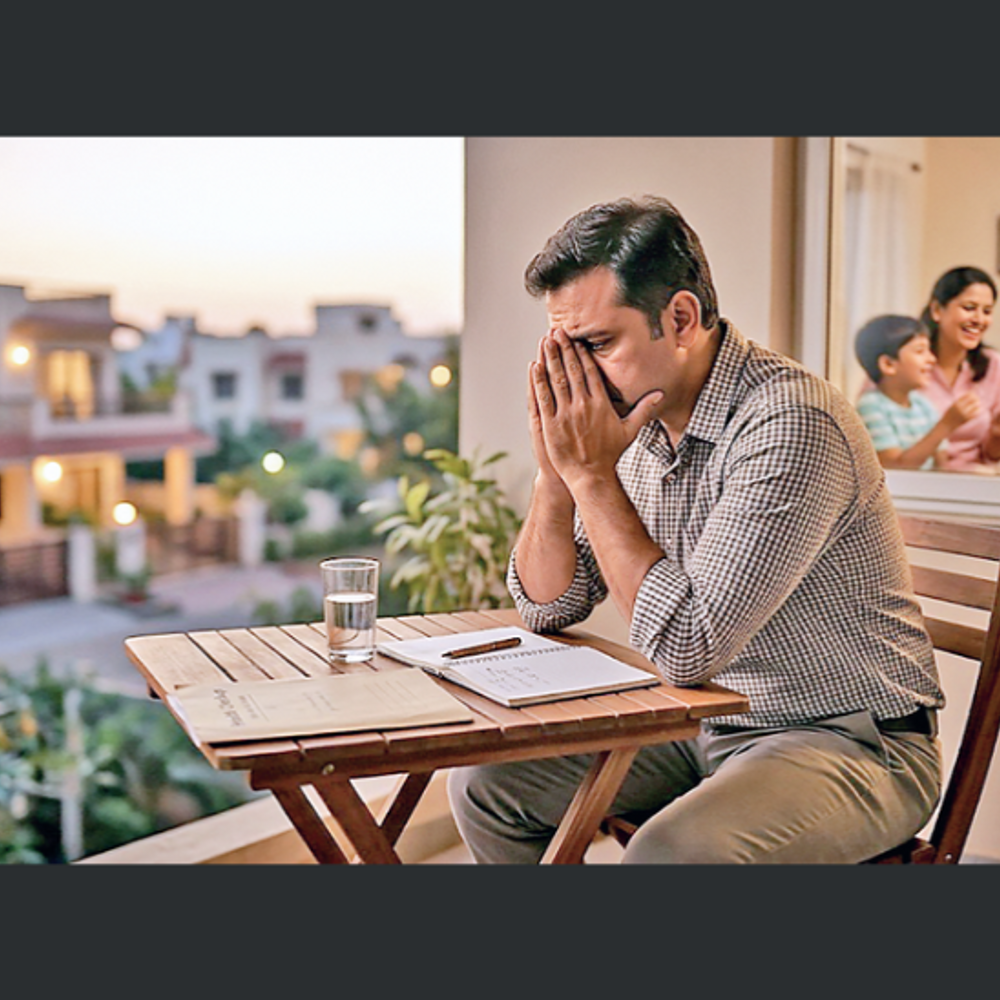
The headline uses “mandurasti,” a common Gujarati framing for mental health or peace of mind, and then states that men, too, experience hurt. In everyday reporting terms, that is an awareness message rather than a clinical finding: emotional distress is not confined to one gender, and the pain men carry is worth naming in public.
Magazine features of this kind often sit between news and advice. They are meant to open a conversation readers may avoid at home or at work. Without the full text, it is not possible to say whether this piece offers personal stories, a doctor’s comments, or only a short reflection. Those details should be read on the original page.
The Gujarat setting matters only as far as the source itself places the item there. Divya Bhaskar is a Gujarati-language news brand, and the feature is written for that readership. Nothing in the supplied material identifies a city, district, hospital, or campaign office, so the story should not be pinned to a narrower locality.
Why the line is being published at all is the part that can be said without inventing facts. Public talk about mental health has widened, yet many men still treat sadness, anxiety, or exhaustion as something to hide. A headline that says men also suffer is aimed at that silence. It does not, by itself, measure how widespread the problem is or which services exist nearby.
Readers looking for warning signs, treatment options, or helpline numbers will not find them in the text used for this account. Any such guidance would have to come from the full magazine item or from qualified local services. This report does not add numbers, diagnoses, or expert quotations the source did not supply.
The uncertainty is straightforward. A headline can set the theme—men’s emotional pain is real and worth attention—while leaving causes, prevalence, and next steps unstated. Treating the headline as a complete health briefing would overstate what Divya Bhaskar’s visible text actually shows.
What happens next is editorial rather than clinical. If the magazine expands the item with reporting, those additions would be the place to look for who is speaking, what they recommend, and whether any Gujarat program is named. Until then, the durable point is the one the headline already makes: men can be in pain, and saying so is part of mental-health awareness.
Primary source: Divya Bhaskar Magazine. Newzly rewrites and structures source reporting for clarity; verify critical details at the original.