Earthshot Prize CEO Jason Knauf Hails India as Global Climate Leader in Exclusive Interview
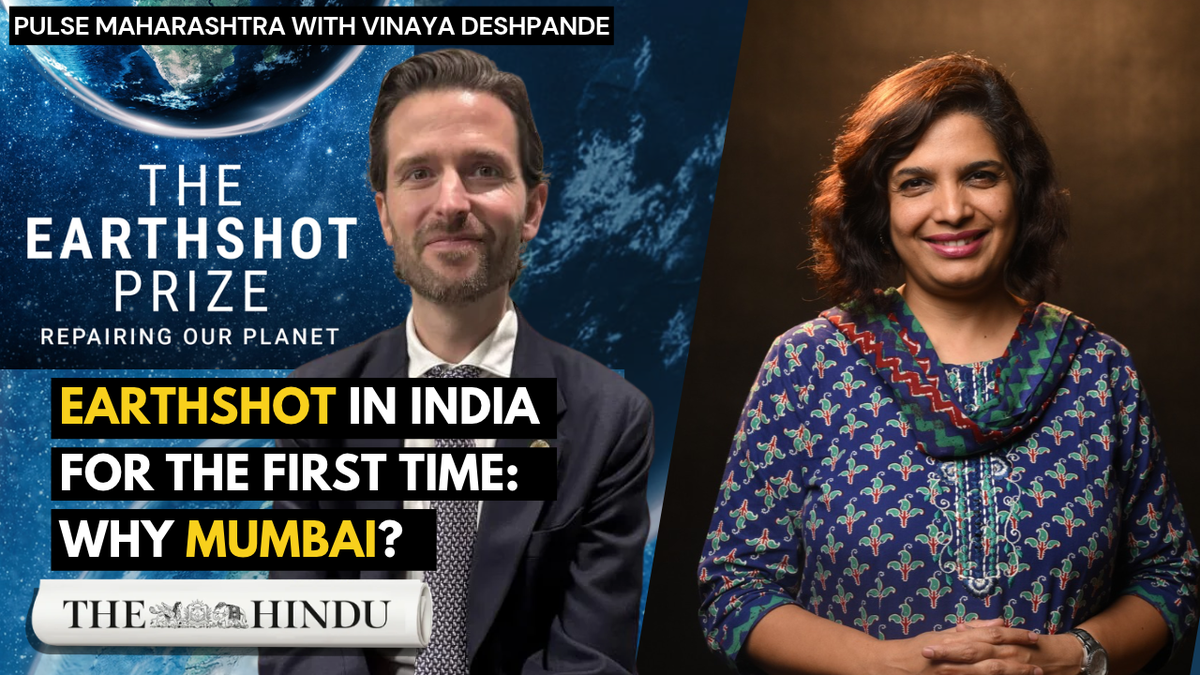
In an exclusive interview with The Hindu's Pulse Maharashtra, Earthshot Prize CEO Jason Knauf hailed India as the capital of global climate action as Mumbai hosts the environmental summit.
In this piece
Earthshot Prize CEO Jason Knauf highlighted India's leadership in green innovation during an exclusive conversation with The Hindu's Pulse Maharashtra. Knauf…
Earthshot Prize Chief Executive Officer Jason Knauf described India as the emerging capital of global climate action during an exclusive interview with The Hindu's digital program Pulse Maharashtra. Speaking ahead of the environmental initiative's landmark summit in Mumbai, Knauf outlined why the country has become pivotal to finding scalable solutions to worldwide ecological emergencies.
The arrival of the global awards initiative in Maharashtra marks the first time the Earthshot Prize has staged its flagship ceremonies in India. Knauf noted that bringing the gathering to Mumbai felt like a natural homecoming, pointing out that Indian entrepreneurs and researchers have consistently led the world in generating high-impact environmental innovations.
Over its successive annual editions, India has produced more finalists and laureates across Earthshot categories than any other nation. Knauf highlighted how Indian innovators have devised transformative approaches to agricultural resilience, clean energy adoption, and urban sustainability. These homegrown ventures demonstrate an ability to operate under resource constraints while creating templates that can be replicated across the Global South.
Addressing the longstanding debate between rapid industrial development and environmental protection, Knauf stressed that ecological stewardship has become an economic imperative rather than a costly constraint. He argued that modern market dynamics have fundamentally shifted, meaning what is beneficial for the biosphere is increasingly advantageous for long-term commercial vitality.
Knauf pointed to India's aggressive rollout of solar infrastructure and renewable power generation as tangible evidence of this alignment. By decoupling carbon intensity from economic growth, the country is establishing a blueprint for emerging markets navigating high energy demand. The CEO observed that clean energy deployment in India is progressing at a velocity that challenges conventional development models.
The conversation also focused on urgent climate vulnerabilities, particularly extreme heat stress and unpredictable weather patterns affecting millions of citizens. Knauf explained that frontline communities in developing countries experience these acute risks first, making their locally engineered cooling and conservation methods vital for international adaptation strategies.
A central mandate of the Earthshot Prize is bridging the gap between local pilot projects and institutional capital to help green startups achieve commercial viability. Knauf emphasized that the summit in Mumbai aims to connect Indian innovators directly with international philanthropists, venture investors, and corporate leaders capable of expanding their operational footprint.
Founded by Britain's Prince William, the Earthshot Prize seeks to uncover and scale fifty solutions by 2030 across five core goals covering nature protection, clean air, ocean revival, waste elimination, and climate repair. Knauf explained that spotlighting grassroots innovators on global media platforms helps demystify climate action and counters prevailing narratives of environmental helplessness.
Looking ahead, the Mumbai events will convene policymakers, scientists, and business executives to evaluate practical interventions and solidify multi-year funding channels for climate pioneers. Knauf concluded that India's willingness to embrace bold green enterprise will ultimately shape the international trajectory of climate resilience for decades to come.
Primary source: Google News Maharashtra. Newzly rewrites and structures source reporting for clarity; verify critical details at the original.