Eight in 10 Prime London Homes Sell Below Asking Price as Market Weakens
Wealthy homeowners across London's premier postcodes are accepting steep discounts as private bank Coutts reports a five percent quarterly slide in prime central property values.
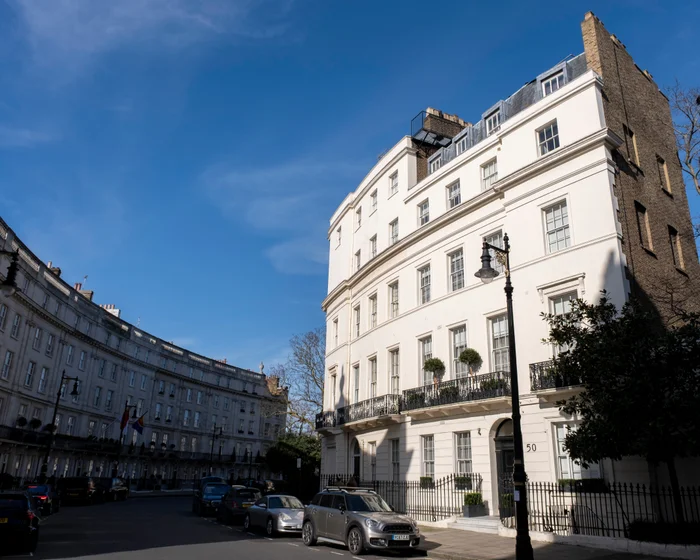
Eight out of ten homes across London's most prestigious neighbourhoods are now changing hands below their original asking prices, as wealthy sellers are forced to accept steep valuation cuts amid a widening chill in the capital's luxury real estate sector. According to research released by private wealth bank Coutts, vendors across prime central districts are increasingly making substantial concessions to finalize transactions.
The analysis reveals that properties in premier enclaves such as Mayfair, Belgravia, and Knightsbridge are selling at an average discount of roughly 10 percent beneath the vendor's initial expectations. This widespread price trimming has translated into paper losses reaching hundreds of thousands of pounds for homeowners attempting to offload prime residences in an increasingly sluggish environment.
Values in prime central London fell by five percent during the third quarter alone, reflecting one of the sharpest quarterly retreats the high-end segment has experienced in recent years. Coutts noted that the downturn marks a notable intensification of the broader housing slowdown currently unfolding across the United Kingdom.
The latest price slide leaves average residential values across central London roughly 14 percent beneath their historic peak achieved in 2014. Prime central real estate had spent the better part of a decade struggling to recapture its previous highs, and the recent acceleration of price reductions has further entrenched the market's prolonged stagnation.
The contraction has been particularly acute across several of London's traditional bastions of ultra-prime wealth. Neighbourhoods including Knightsbridge, Belgravia, and South Kensington have experienced the most pronounced declines, with average transactions in those districts settling between 27 percent and 31 percent below their previous peak benchmarks.
Industry analysts and wealth advisers attribute the mounting pressure on luxury housing to a confluence of headwinds, led by persistent borrowing costs and higher mortgage rates. Increased stamp duty thresholds and broader fiscal uncertainty have also prompted prospective affluent buyers to adopt a far more cautious posture toward multimillion-pound acquisitions.
Dampened demand from international investors has played an equally critical role in reshaping deal activity. Cross-border purchasing interest has cooled following significant shifts in the UK regulatory and fiscal environment, most notably the government's plans to dismantle the longstanding non-domiciled tax regime that historically drew foreign wealth to London.
With substantial unsold inventory accumulating on the market and sellers competing for a smaller pool of active buyers, purchasing leverage has swung decisively in favor of acquisition-minded capital. Coutts observed that buyers are routinely capitalizing on current market conditions to demand meaningful price adjustments prior to exchange.
Looking ahead, estate agents and market observers anticipate that luxury property transactions will continue to face turbulence until interest rates ease and greater clarity emerges regarding upcoming wealth taxation policies. For the immediate future, prime central London sellers will likely have to remain flexible on pricing if they hope to secure completed sales.
Primary source: The Guardian Business. Newzly rewrites and structures source reporting for clarity; verify critical details at the original.