Avanti West Coast Summer Delay Repay Payouts Top £20m
Avanti West Coast paid out more than £20 million in passenger delay refunds over three summer months, with its annual compensation bill projected to surpass £70 million.
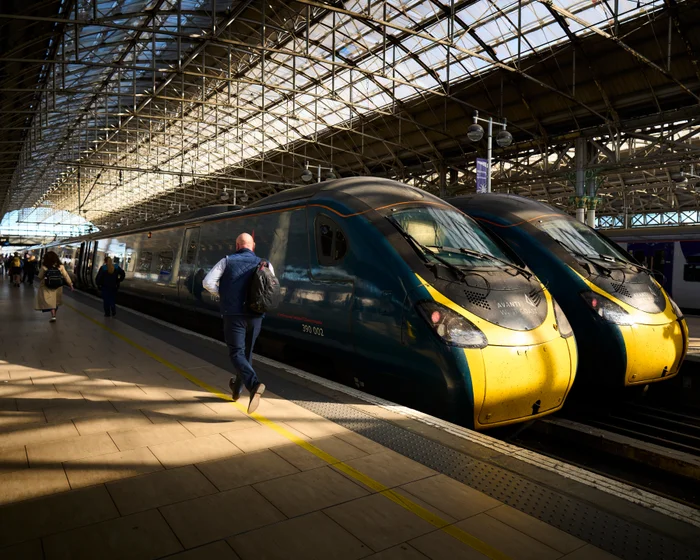
Avanti West Coast distributed more than 20 million pounds in passenger refunds across a three-month summer window following persistent travel disruptions along Britain's premier intercity network. The substantial sum reflects widespread service cancellations and protracted delays on routes connecting London Euston with major hubs including Birmingham, Manchester, and Glasgow.
Official performance data shows that the operator paid out 9.3 million pounds during a single four-week reporting period ending on July 25. That payout was followed by an additional 12.2 million pounds disbursed over the subsequent eight weeks, highlighting an intense period of operational strain during the peak summer holiday season.
The initial 9.3 million pound four-week compensation bill nearly matched Avanti's entire annual profit recorded in each of the past two financial years. With passenger claims climbing steadily across the railway system, analysts and rail officials estimate the company's total compensation tab could surpass 70 million pounds before the current financial year concludes.
The projected 70 million pound total marks a steep trajectory compared with historical compensation figures on the franchise. The operator previously accumulated compensation obligations exceeding 50 million pounds in recent cycles, up from 40.5 million pounds documented in Department for Transport records for the 2024 to 2025 financial period.
Long-distance intercity operators bear a disproportionate share of the national passenger refund burden because long-haul ticket prices are substantially higher than commuter fares. Industry data shows that Avanti and comparable long-distance rail services account for approximately 27 percent of all passenger delay refunds issued across the United Kingdom.
Under the Delay Repay 15 compensation framework, rail travelers can submit claims for journeys held up by 15 minutes or longer. Payouts start at a quarter of the fare for modest hold-ups and rise to a full refund for delays exceeding one hour, with direct app bookings increasingly processing payouts automatically without manual passenger forms.
The financial burden of these escalating compensation claims falls heavily on the public purse under the current industry framework. Under post-pandemic National Rail Contracts, the Department for Transport absorbs revenue risk and covers operating expenses, meaning taxpayer funding directly underwrites the cost of passenger reimbursement when services falter.
Service reliability along the West Coast Main Line has suffered from recurring infrastructure vulnerabilities, severe weather impacts, and rolling stock issues. While heightened consumer awareness has made travelers far more likely to claim entitled compensation, passenger advocacy groups emphasize that timely train arrivals remain the primary priority for the travelling public.
Transport regulators and government officials continue to scrutinize Avanti's operational recovery plans as the railway prepares for challenging autumn and winter operating conditions. Ministers face ongoing scrutiny over management contracts and performance targets, with stakeholders calling for accelerated infrastructure improvements to stem the rising cost of network-wide delays.
Primary source: The Guardian Business. Newzly rewrites and structures source reporting for clarity; verify critical details at the original.