Eric Trump-Backed Robot Startup Misses Payroll After CEO Borrowed $4.6M
Foundation Future Industries has missed employee payroll after CEO Sankaet Pathak borrowed $4.6 million from the company to purchase a home, triggering scrutiny over executive oversight.
In this piece
Defense robotics startup Foundation Future Industries has run low on cash and missed payroll, leaving staff unpaid. The crisis comes under heightened scrutiny…
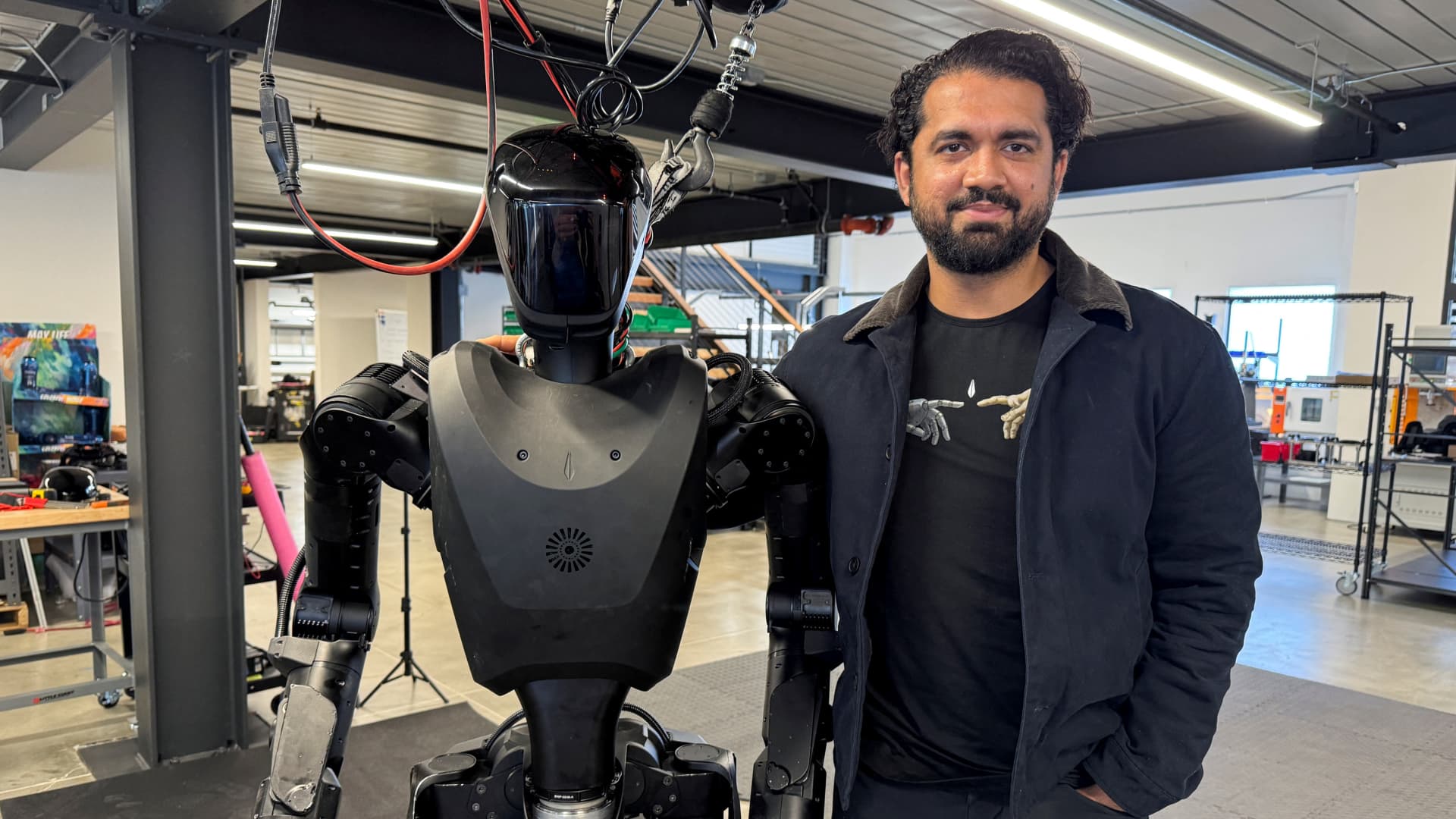
Foundation Future Industries, an emerging defense robotics startup backed by Eric Trump, has run low on available cash reserves and missed scheduled payroll payments to its staff. The sudden funding shortfall leaves the venture unable to compensate its workforce, plunging the high-profile developer of robot soldier technology into immediate operational distress.
The liquidity crisis emerges as company founder and chief executive officer Sankaet Pathak faces mounting scrutiny over a $4.6 million company loan used to finance a personal home purchase. The multi-million dollar transaction between the startup and its top executive has placed internal financial management under an intense spotlight amid the firm's sudden cash squeeze.
Failing to meet payroll obligations presents severe operational and legal risks for any early-stage enterprise, particularly in specialized technical sectors. For Foundation Future Industries, the inability to pay salaries threatens to disrupt ongoing development programs and could trigger immediate talent departures among critical engineering personnel.
The startup had previously captured industry and media interest largely because of its association with high-profile backer Eric Trump. While celebrity and political connections can help nascent defense firms attract visibility and capital, such affiliations also intensify external scrutiny whenever governance missteps or financial shortfalls surface.
Substantial personal loans extended from company treasuries to founding executives represent an acute governance concern within the modern venture capital landscape. Although corporate loans to officers were historically seen in certain corporate environments, contemporary investor practices strongly discourage large-scale founder borrowing, especially when enterprise runway remains constrained.
The financial strain hits at a challenging moment for hardware and robotics enterprises, which require consistent, capital-intensive investments in research, engineering prototypes, and physical testing. Unlike asset-light software startups, robotics ventures must maintain deep financial buffers to sustain complex hardware cycles, leaving little margin for unapproved expenditures or internal capital diversions.
The controversy surrounding Pathak's $4.6 million residential loan raises significant questions regarding oversight by the company's board and executive leadership. Venture analysts frequently caution that without robust independent governance and strict fiscal controls, early-stage firms risk misallocating vital capital reserves needed for core enterprise operations.
Critical details remain undisclosed regarding how the loan was structured, whether formal board approval was granted, or if terms exist for immediate repayment to relieve corporate distress. Furthermore, it remains unclear whether Eric Trump or other existing financial backers intend to step in with emergency bridge funding to cover the missed payroll.
Looking ahead, Foundation Future Industries faces an urgent struggle to settle its outstanding payroll debts before employee relations deteriorate further. The robotics startup's long-term survival will likely depend on whether leadership can restore institutional credibility, resolve executive loan concerns, and secure the fresh capital required to advance its defense systems.
Primary source: CNBC Top News. Newzly rewrites and structures source reporting for clarity; verify critical details at the original.