Exploring Thai Cuisine: How Home Cooks Are Mastering Vegetarian Green Curry
A feature in Divya Bhaskar Magazine highlights the nuances of Thai cuisine, offering home cooks practical techniques to craft authentic vegetarian green curry while exploring Southeast Asian culinary traditions.
In this piece
Divya Bhaskar Magazine's culinary feature explores Thai cuisine with a dedicated spotlight on vegetarian green curry and home preparation tips. The guide…
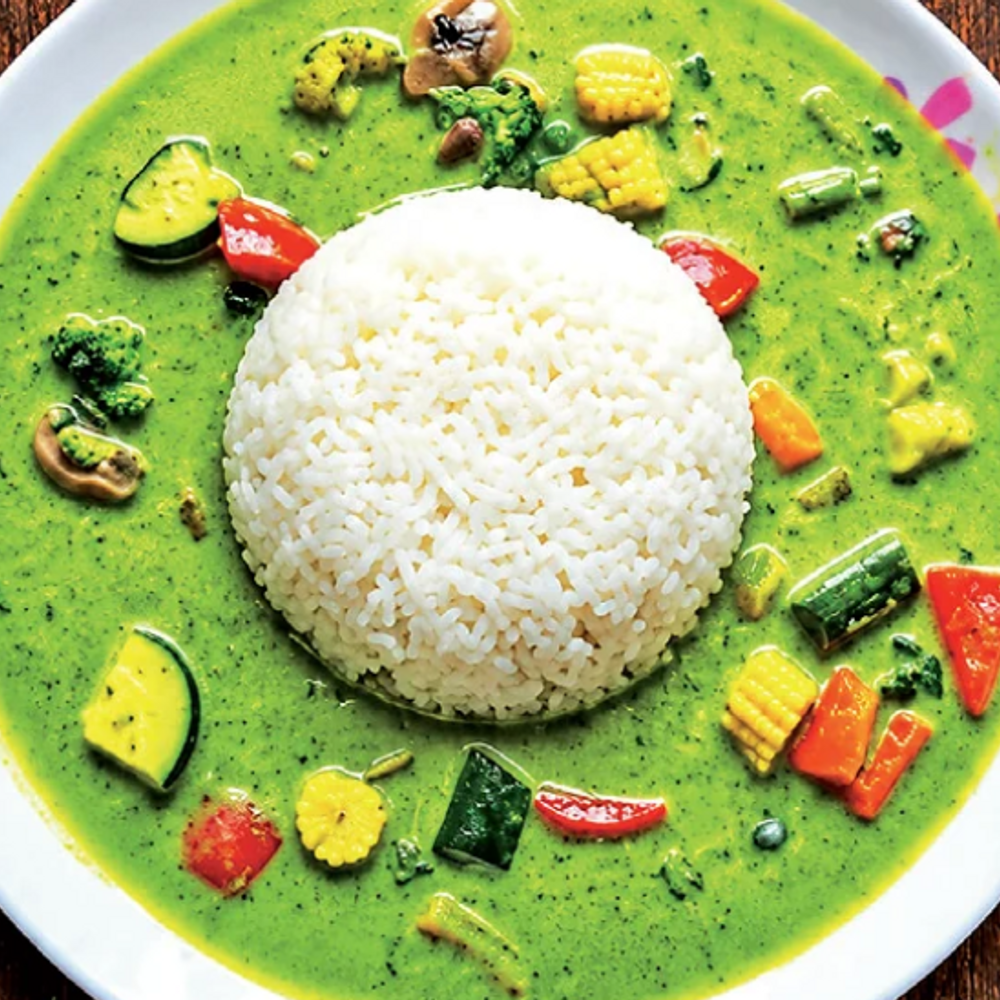
A recent culinary guide published in Divya Bhaskar Magazine's Madhurima section spotlights traditional Thai cuisine, presenting home cooks with guidance on mastering vegetarian green curry. The feature outlines practical kitchen techniques aimed at recreating the distinctive textures and aromatic balance of Southeast Asian dining. By demystifying regional preparation methods, the report encourages readers to embark on an engaging gastronomic journey from their own kitchens.
At the center of the culinary exploration is green curry, globally recognized as one of Thailand's defining contributions to modern gastronomy. While classic versions often rely on animal proteins and traditional fish sauces, the presentation underscores how plant-forward adaptations can preserve authentic depths of flavor. Home cooks are shown that fresh seasonal vegetables and tofu can serve as satisfying foundations for rich, spiced coconut broths.
Thai culinary tradition fundamentally hinges on harmonizing five primary flavor dimensions: sweet, sour, salty, bitter, and spicy. Achieving this delicate equilibrium requires careful temperature control and intentional ingredient sequencing during the initial cooking phase. Culinary features emphasize that balancing fiery green chilies with rich coconut cream allows vegetables to absorb robust seasonings without overwhelming the palate.
The aromatic identity of authentic green curry depends heavily on a vibrant paste composed of lemongrass, galangal, kaffir lime leaves, and fresh Thai basil. While sourcing authentic Southeast Asian herbs can occasionally present challenges outside major metropolitan areas, culinary commentators suggest focusing on core aromatics to maintain signature freshness. Proper simmering ensures that these herbal notes thoroughly infuse the liquid base before serving.
The publication of adapted international recipes reflects expanding public interest across regional lifestyle media in diversifying daily household meals. Readers increasingly seek accessible methods to experience global food cultures without needing specialized restaurant equipment or complex professional training. Such culinary coverage bridges international culinary traditions with practical home cooking habits.
The deliberate adaptation of Southeast Asian recipes for vegetarian diets also aligns with broader shifts toward plant-conscious dining across varied demographics. Modifying traditional recipes to exclude meat broths provides inclusive alternatives for households adhering to vegetarian lifestyles. These adaptations demonstrate that world cuisines can remain culturally faithful while accommodating contemporary dietary choices.
Culinary guidance in lifestyle publications frequently highlights technical precision, particularly regarding the handling of coconut milk over high heat. Home cooks are advised to simmer bases gently to avoid separation while thoroughly sautéing the curry paste to release essential aromatic oils. Paying close attention to cooking times ensures that added vegetables retain desirable crispness and nutritional value.
Gastronomic journalism plays a vital role in documenting how global flavor profiles migrate across cultures and integrate into everyday home routines. Exploring regional dishes such as Thai green curry provides valuable context on regional agricultural traditions and traditional dining customs. Through food, cultural curiosity translates into practical domestic creativity.
As regional publications continue curating international recipes for broader audiences, interest in approachable Southeast Asian cooking shows little sign of slowing down. Observers anticipate that demand for plant-based versions of celebrated global dishes will continue to inspire creative home experimentation. Culinary columns are expected to expand coverage of diverse cuisines, fostering greater culinary literacy and cultural appreciation.
Primary source: Divya Bhaskar Magazine. Newzly rewrites and structures source reporting for clarity; verify critical details at the original.