FAA Lifts Nationwide Ground Stop After Overloaded Systems Disrupt US Flights
The Federal Aviation Administration lifted an hours-long nationwide ground stop that paralyzed air travel on Friday, as the Trump administration blamed overloaded computer systems for triggering widespread flight cancellations and travel chaos.
In this piece
Flights across the United States are gradually resuming after the Federal Aviation Administration lifted a nationwide ground stop caused by severe technical…
The Federal Aviation Administration lifted a nationwide ground stop on flights across the United States following an hours-long system outage that triggered widespread travel disruptions. Flight departures began resuming after federal regulators addressed technical difficulties that had halted departures at major airports across the country. Officials indicated that operations were gradually returning to service, though airlines cautioned that residual delays would persist throughout the travel day.
The Trump administration attributed the nationwide disruption to overloaded computer systems that compromised essential aviation communications. According to statements surrounding the incident, the severe system burden forced aviation authorities to pause departures to maintain airspace safety protocols. Technical teams worked to stabilize the critical networks before clearing commercial aircraft to resume scheduled takeoffs.
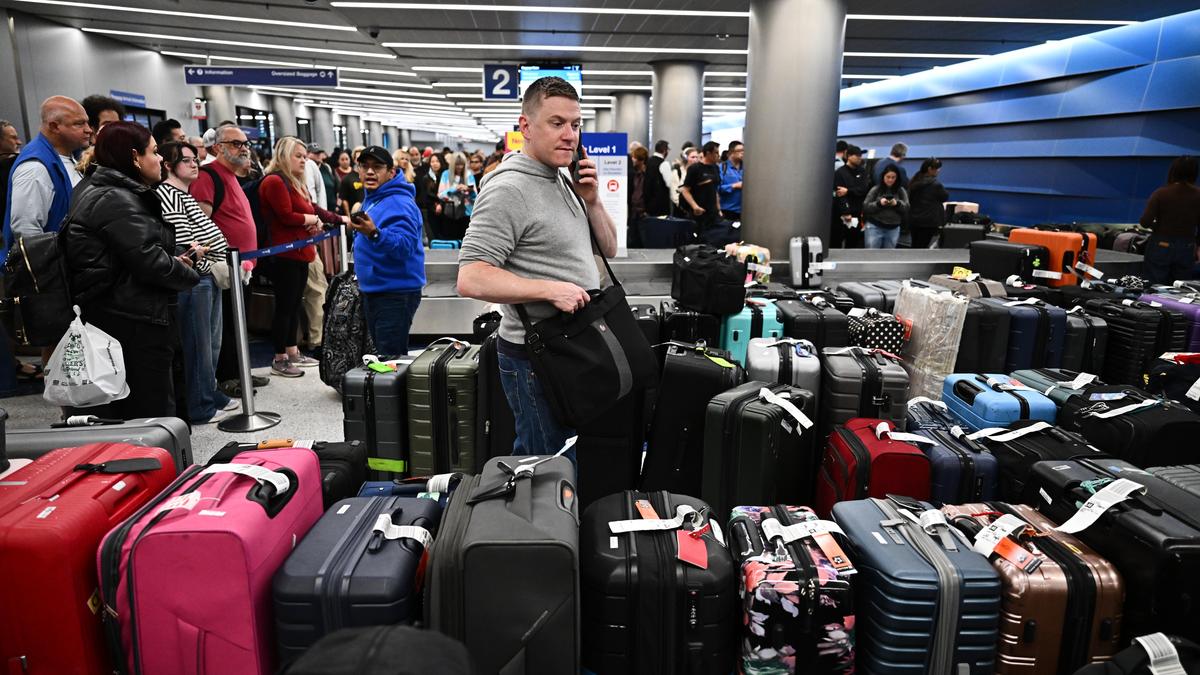
The abrupt grounding stranded thousands of travelers at passenger terminals nationwide as departure boards showed mounting delays and cancellations. Travelers found themselves waiting for hours inside crowded airport concourses while airlines struggled to adjust flight crews and aircraft rotations. The disruption cascaded rapidly through major domestic transit hubs, compounding congestion and frustrating passengers.
The communication breakdown also created immediate ripple effects for international air transit, prompting foreign carriers to issue warnings to their customers. Air India released a formal travel advisory alerting passengers to communications outages and ground-handling disruptions across United States airports. Other global airlines connecting to American hubs similarly monitored the situation as transatlantic and transpacific schedules absorbed the delays.
Financial markets responded swiftly to the operational halt, with major airline stocks falling during morning trading sessions. Investors moved quickly to price in the financial fallout of grounded aircraft, unanticipated rebooking costs, and potential operational liabilities stemming from the prolonged interruption. Wall Street analysts noted that widespread ground stops often exert direct pressure on carrier profit margins through heightened fuel, labor, and passenger accommodation expenses.
Federal aviation networks rely on heavily integrated digital and communications architecture to synchronize flight plans, safety notices, and controller messaging across thousands of daily flights. When primary communication channels experience severe capacity overloads or technical failures, regulatory guidelines mandate full ground pauses to prevent mid-air communication breakdowns. Regulators prioritized halting departures while permitting airborne planes to land safely at designated destinations.
Airlines now face the complex logistical task of repositioning aircraft and flight crews that were displaced during the hours-long pause. Flight crews timed out under federal duty limits while waiting at boarding gates, leaving carriers short-staffed despite the lifting of the federal ground order. Reestablishing normal operational equilibrium typically requires airlines multiple days of rerouting and schedule adjustments after a systemic national halt.
The failure has once again focused scrutiny on the technological resilience and modernization of federal aviation infrastructure. Repeated disruptions in recent years have sparked debate among industry stakeholders and federal lawmakers regarding the capacity limits of critical transport networks. The administration's acknowledgment of overloaded infrastructure is expected to intensify calls for accelerated technology upgrades across government systems.
While flights are once again airborne, aviation authorities and commercial carriers continue to warn travelers to check their flight status before heading to airports. Ground staff and air traffic controllers are managing a substantial backlog of delayed departures under calibrated flow management procedures. Industry observers expect ongoing federal evaluations into the specific system overloads that prompted the shutdown as regulators work to prevent similar travel chaos in the future.
Primary source: Google News India. Newzly rewrites and structures source reporting for clarity; verify critical details at the original.