Copper Wire Upgrade Caused Nationwide Flight Suspension, US Transport Secretary Says
A routine telecommunications upgrade replacing legacy copper wiring triggered a nationwide US flight suspension, prompting federal transportation officials to investigate whether the disruption stemmed from technical failure or contractor incompetence.
In this piece
A nationwide flight suspension across the United States was triggered during a routine telecommunications upgrade designed to replace legacy copper wiring.…
A routine telecommunications upgrade intended to replace aging copper wiring triggered a nationwide suspension of flights across the United States, according to statements from the federal government. Transportation officials confirmed that the disruptions halted departures and snarled air traffic across the country as critical systems went offline. Federal authorities immediately initiated a review into the breakdown, focusing on the contractors and hardware responsible for maintaining the nation's air space network.
The technical failure occurred during scheduled maintenance aimed at replacing legacy telecommunications infrastructure with high-speed connections. During the procedure, network equipment malfunctioned and overwhelmed communications channels used by air traffic control facilities. The resulting surge in data traffic disrupted critical links supporting flight tracking and radar monitoring, leaving controllers without reliable real-time visibility.
Faced with degraded communications, federal aviation regulators ordered an immediate nationwide ground stop to ensure traveler safety. Commercial airliners nationwide were instructed to remain at departure gates while technical crews attempted to isolate the malfunctioning networking hardware. Aviation authorities emphasized that halting departures was a precautionary protocol required whenever primary safety networks experience instability.
The US government is now focusing its investigation on whether the disruption was caused by operational incompetence or defective equipment. The transportation secretary noted that investigators are reviewing the performance of the external contractor tasked with executing the infrastructure transition. Investigators are scrutinizing whether technicians adhered to standard operating procedures and whether backup failover protocols functioned as designed.
Federal officials affirmed that there was no evidence of foul play, foreign interference, or a cybersecurity breach behind the incident. Initial assessments confirmed that the outage stemmed entirely from internal networking complications during the physical hardware switch. Transportation leaders reiterated that establishing accountability remains paramount to ensure public confidence in civil aviation infrastructure.
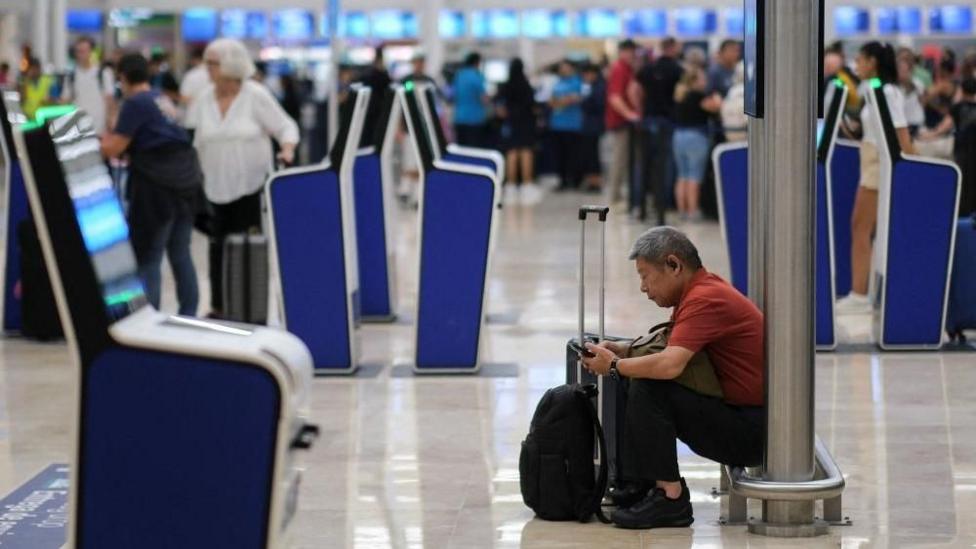
The nationwide flight halt triggered cascading delays and cancellations that reverberated across regional and international hubs for hours. Thousands of passengers faced extended wait times, missed connections, and terminal overcrowding as carriers worked to reset flight schedules. Major airlines cautioned that repositioning grounded aircraft and flight crews would require additional time even after air traffic systems stabilized.
The incident highlights the persistent vulnerabilities confronting the country's aging air travel infrastructure, much of which still relies on legacy technology. While modernization programs have been underway for years, transitioning away from decades-old copper wiring to modern digital lines remains complex and fraught with operational risk. Industry experts have long warned that executing large-scale telecommunications overhauls while keeping live airspace fully functional presents steep engineering challenges.
The breakdown is expected to intensify scrutiny from federal lawmakers who oversee transportation and civil aviation policy. Congressional committees frequently demand hearings following widespread air travel disruptions, pressing government agencies for detailed timelines and corrective measures. Lawmakers are likely to question procurement practices, contractor oversight, and the adequacy of existing contingency measures across federal aviation facilities.
Moving forward, transportation authorities are working to complete their formal inquiry and deliver findings regarding the root cause of the network failure. Officials stressed that any contractual failures or procedural lapses uncovered during the review will lead to immediate corrective actions. As federal teams evaluate future modernization phases, aviation regulators pledged to implement stricter safeguards to prevent similar technical transitions from halting nationwide air transit.
Primary source: BBC World. Newzly rewrites and structures source reporting for clarity; verify critical details at the original.