FAA Router Failure During Wire Upgrade Cancels 15,000 US Flights
A router malfunction during routine maintenance to replace aging copper wiring at an FAA facility triggered a nationwide ground stop, grounding or cancelling approximately 15,000 flights over two days.
In this piece
A telecommunications router failure during an infrastructure upgrade at a Federal Aviation Administration facility led to a nationwide ground stop across the…
A routine telecommunications maintenance project triggered an unprecedented aviation crisis across the United States, after a severe network router failure crippled air traffic control communication systems. The technical breakdown forced the Federal Aviation Administration to order a nationwide ground stop, paralyzing domestic air travel and leading to the cancellation of approximately 15,000 flights over two days. Millions of passengers were impacted as departures ground to a sudden halt at major airports nationwide.
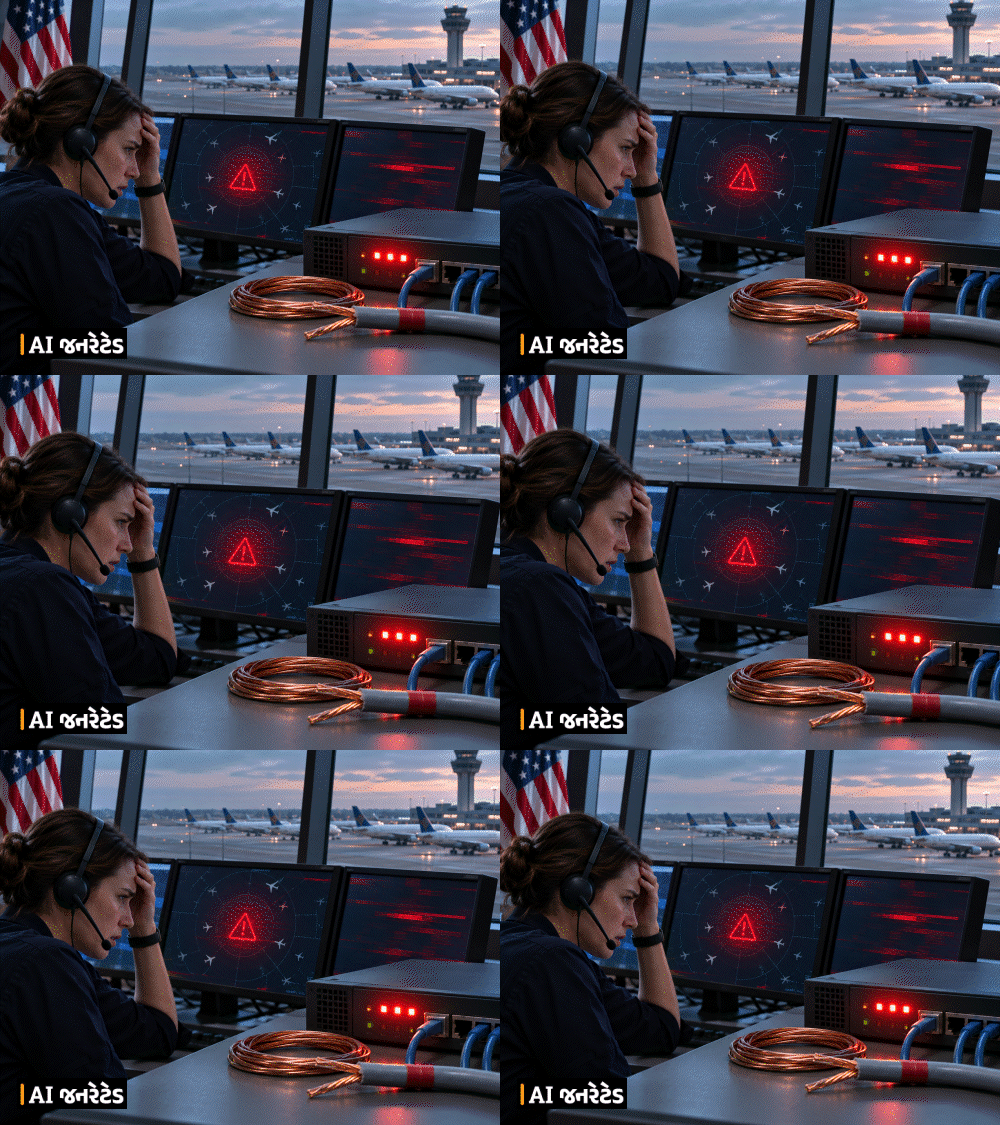
The disruption occurred while technicians from government defense and technology contractor L3Harris were conducting scheduled upgrades at a remote Federal Aviation Administration facility. The crew was working to modernize legacy communication infrastructure by replacing decades-old copper wiring with high-speed fiber-optic lines. During the physical hardware transition, a newly deployed router suffered a catastrophic operational malfunction.
According to federal aviation officials, the malfunctioning networking hardware began flooding interconnected control systems with more than 1,000 connection requests every four to five seconds. This sudden deluge of data created an acute bottleneck across the agency's primary telecommunications architecture. The resulting network congestion degraded radar tracking feeds and disrupted direct communication links between regional control centers and commercial cockpits.
With controllers facing compromised data displays and intermittent transmission drops, aviation regulators initiated an immediate nationwide ground hold on all departing domestic flights. The emergency safety pause lasted nearly five hours while technical engineers worked frantically to isolate the faulty hardware. The incident marked the longest unplanned shutdown of the American airspace system since the September 11, 2001, terrorist attacks.
United States Transportation Secretary Sean Duffy and senior aviation authorities quickly sought to reassure the public that the breakdown was not the result of a hostile cyberattack or foreign breach. Federal investigators confirmed that the crisis stemmed strictly from an internal configuration error and hardware failure during contractor maintenance. Officials stressed that flight safety was never actively compromised in midair because controllers held departures on the ground.
The abrupt nationwide stoppage triggered immediate chaos throughout the commercial aviation sector, stranding hundreds of thousands of travelers at airport hubs across the country. More than 9,000 flights were cancelled on the first day alone, creating massive backlogs that rolled into the weekend. Terminal corridors quickly filled with stranded families and business travelers as departure boards showed universal delays.
Airlines scrambled to manage the logistical fallout, issuing broad travel waivers and deploying emergency customer support teams. Carriers faced severe operational headwinds trying to reposition grounded aircraft and rest stranded flight crews who had exceeded legal duty limits under federal safety regulations. Even after radar networks were restored, airline scheduling networks required days to return to normal operations.
The incident has reignited intense debate in Washington over the resilience of aging national aviation infrastructure and the government's heavy reliance on third-party contractors. Industry experts pointed out that while phasing out obsolete copper cabling is necessary, critical transport systems must possess robust fail-safe redundancies. Critics questioned why a single faulty router was able to destabilize the primary communications backbone of the entire federal airspace.
Congressional transportation committees and federal watchdog agencies have launched formal inquiries into contractor oversight and network redundancy protocols. Investigators intend to determine why secondary backup systems failed to isolate the rogue router before traffic feeds were compromised. Aviation officials pledged to review maintenance procedures thoroughly and implement stricter testing safeguards to ensure future modernization efforts do not endanger national air travel.
Primary source: Divya Bhaskar International. Newzly rewrites and structures source reporting for clarity; verify critical details at the original.