FAA System Outage Triggers Historic US Flight Ground Stop, Stranding 1.5 Million Passengers
A catastrophic Federal Aviation Administration communications breakdown triggered a rare nationwide ground stop, grounding more than 8,000 flights and leaving 1.5 million passengers stranded. The historic outage marks the most severe disruption across U.S. airspace since 9/11.
In this piece
A massive FAA communication failure prompted a rare nationwide ground stop across the United States, canceling or delaying over 8,000 flights. More than 1.5…
A catastrophic communications breakdown within the U.S. Federal Aviation Administration's air traffic control network triggered an extraordinary nationwide ground stop, abruptly halting air travel across the United States. The sudden technical disruption severed critical voice and data links between pilots and regional traffic controllers, leaving an estimated 1.5 million passengers stranded at departure terminals nationwide.
More than 8,000 commercial flights were delayed or canceled in rapid succession as aviation authorities enacted immediate emergency protocols to maintain airspace safety. Major airport terminals from the East Coast to the Pacific reached capacity within hours, with aircraft held at gates, grounded on departure taxiways, or diverted to secondary airfields.
Aviation analysts and industry observers noted that the sweeping nationwide shutdown represents the most severe disruption to American skies since the September 11, 2001 terrorist attacks. While localized ground stops and weather-related groundings occur regularly, an unplanned, comprehensive suspension of the entire national airspace system remains almost unprecedented in modern aviation history.
Preliminary findings from transportation authorities indicated that the outage originated from a cascade of hardware and networking failures across regional communication hubs. Critical routing equipment and primary telecommunications lines failed simultaneously, preventing air traffic controllers from safely transmitting real-time routing clearances and altitude instructions to airborne cockpits.
Addressing pressing national security concerns, federal officials and homeland security agencies moved quickly to clarify that there was no indication of a cyberattack or hostile sabotage. Instead, preliminary investigations identified severe equipment failure within decades-old legacy routing systems and copper telecommunication conduits that were overwhelmed by network demand.
The sudden grounding created immense operational turmoil for major airlines, displacing thousands of flight crews and aircraft far from their scheduled destinations. Flight dispatchers struggled to untangle logistical knots as federally mandated crew duty limits expired, preventing thousands of pilots and flight attendants from operating rescheduled flights.
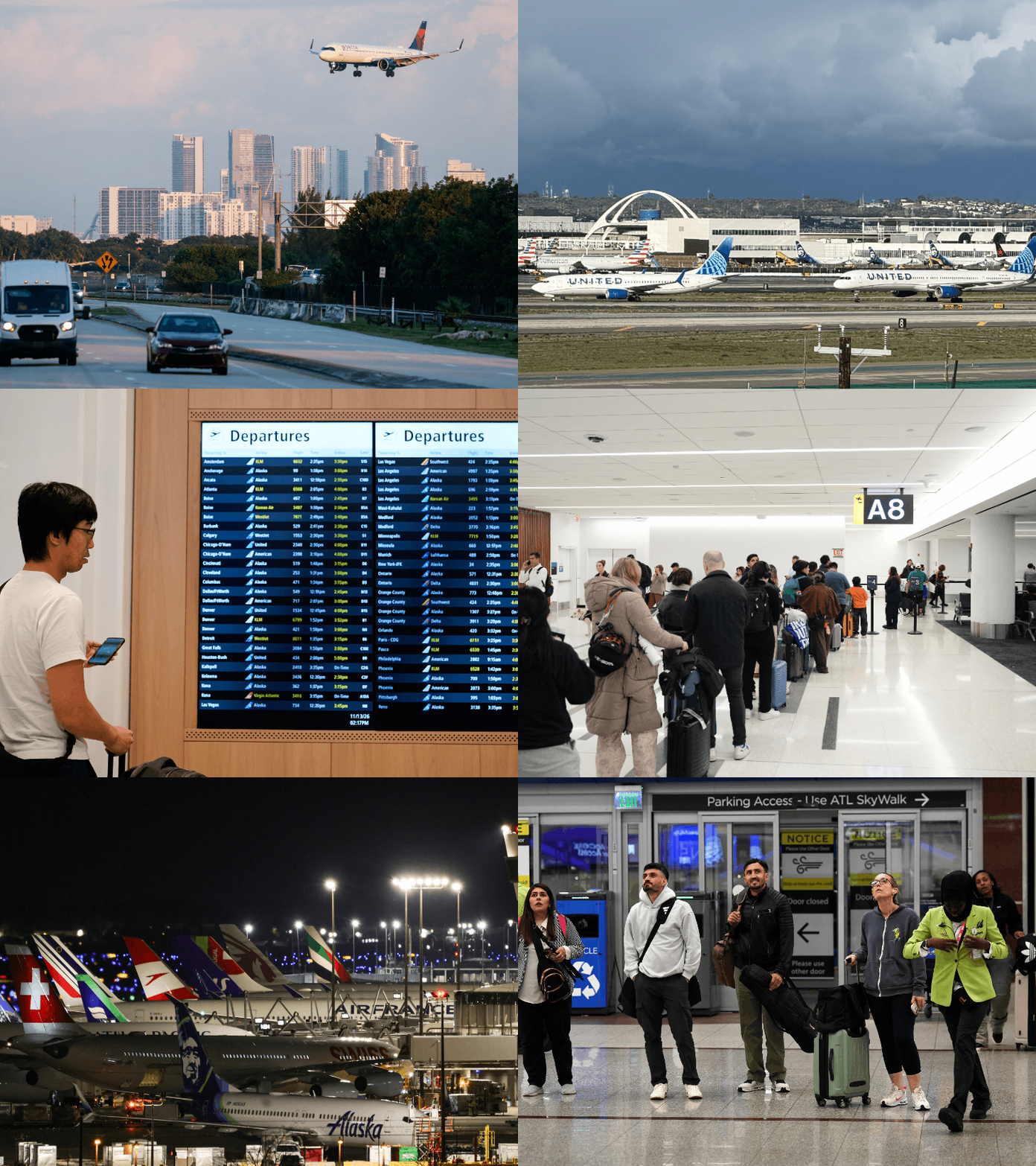
Inside airports across the nation, travelers faced scenes of profound confusion as flight information display monitors showed blanket cancellations across all major carriers. Customer service counters were quickly overwhelmed by miles-long queues, forcing airport authorities to distribute emergency water, snacks, and temporary cots to stranded families facing overnight stays on concourse floors.
Aviation engineers and technical teams worked through an intensive four-hour restoration effort before the FAA verified that communication redundancies were fully operational. Regulators then cautiously began lifting the nationwide ground stop in tiered phases, allowing air traffic to resume gradually while prioritizing airborne arrivals and international flights.
The historic disruption has immediately reignited intense political debate surrounding the federal government's prolonged delays in overhauling aging aviation infrastructure. Lawmakers, pilot unions, and aviation trade associations reiterated longstanding demands for accelerated funding to replace vulnerable 1980s-era communication systems with resilient, next-generation digital networks.
While flight operations have technically resumed, airline representatives warned that scheduling ripples and aircraft displacement will cause residual delays for several days. Carriers continue to urge passengers to monitor flight tracking tools before heading to airports as the commercial aviation sector works to clear the historic travel backlog.
Primary source: Divya Bhaskar International. Newzly rewrites and structures source reporting for clarity; verify critical details at the original.