Federal Policy Shifts Shadow Massachusetts Healthcare Summit
Healthcare leaders and lawmakers at the fourth annual Massachusetts Healthcare Summit voiced growing alarm that shifting federal policies and funding cuts could destabilize safety-net providers and deepen rural workforce shortages.
In this piece
State legislators, clinicians, and health administrators convened at UMass Amherst for the fourth annual Massachusetts Healthcare Summit, focusing on rural care…
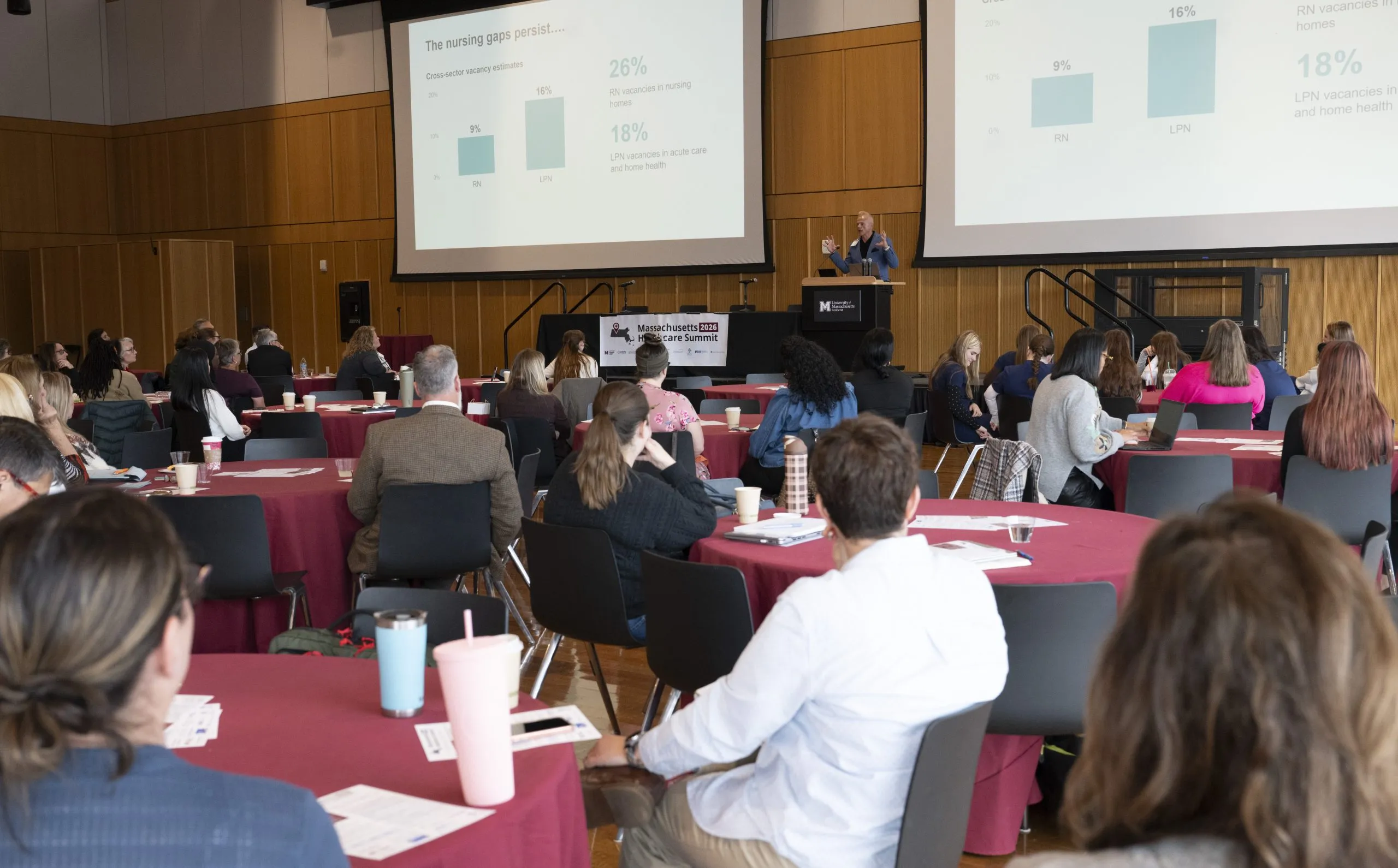
Healthcare executives, clinicians, and state lawmakers gathered this week for the fourth annual Massachusetts Healthcare Summit, where conversations were heavily dominated by concerns over shifting federal policies. The daylong conference, hosted at the University of Massachusetts Amherst, brought together roughly 200 participants to evaluate the fragility of the state's healthcare safety net and rural delivery networks.
Organized by the Elaine Marieb College of Nursing, the summit was originally designed to spotlight innovative approaches to care delivery and examine severe staffing challenges across rural and medically underserved regions. However, attendees reported that anticipated federal spending reductions and potential regulatory rollbacks cast an unmistakable shadow over the proceedings, forcing participants to confront an increasingly uncertain fiscal landscape.
Opening remarks and keynote sessions featured state officials, including State Senator Jo Comerford and State Representative Mindy Domb, alongside academic leaders such as College of Nursing Dean Allison Vorderstrasse and UMass Amherst Chancellor Javier Reyes. Lawmakers acknowledged that while Massachusetts has enacted targeted measures to support regional healthcare infrastructure, state initiatives cannot fully insulate providers from large-scale changes originating in Washington.
Panelists repeatedly emphasized the acute pressures faced by community health centers and safety-net hospitals operating in Western Massachusetts and other less densely populated regions. These facilities frequently operate on razor-thin operating margins while serving populations with complex clinical needs, high rates of chronic disease, and limited local care options.
Central to the summit's discussions were potential modifications to federal Medicaid rules and federal health program subsidies. Because community health centers and rural clinics rely extensively on Medicaid reimbursements to sustain day-to-day operations, any reduction in federal matching funds or tightening of eligibility requirements could drive up uninsured rates and leave safety-net institutions with uncompensated care burdens.
The conference also tackled widespread staffing shortages that continue to strain long-term care facilities, nursing homes, and home health agencies across the state. Healthcare leaders noted that rural facilities struggle disproportionately to recruit and retain registered nurses and certified nursing assistants, competing against larger metropolitan medical systems that offer higher compensation and broader career incentives.
Massachusetts has recently dedicated state resources, including targeted rural health funding initiatives, to reinforce local healthcare access and shore up essential community services. Yet summit participants underscored that state funding alone cannot replace substantial federal support, warning that federal budget contractions would quickly overwhelm state-level stabilization efforts.
Demographic shifts further compound the urgency, as rural Massachusetts communities experience a steadily aging population with an increasing reliance on long-term supportive care. Speakers highlighted that without predictable federal backing, efforts to build integrated community health networks, expand in-home care programs, and upgrade elder care facilities will face severe headwinds.
As the summit concluded with a dedicated career fair to connect emerging practitioners with regional employers, organizers and policymakers pledged to maintain pressure on federal representatives to protect critical funding lines. With federal policy directions poised to evolve over the coming budget cycles, healthcare leaders in Massachusetts stressed that cross-sector collaboration between educators, providers, and state government will be essential to defending patient access across vulnerable communities.
Primary source: Google News Massachusetts. Newzly rewrites and structures source reporting for clarity; verify critical details at the original.