world·Massachusetts·Plymouth County
Lindsay Clancy Retrial Scheduled for March 2027 in Strangulation Deaths of Her Three Children
A Massachusetts judge has set a late-March retrial for Lindsay Clancy after an earlier jury deadlocked, rejecting defense motions to dismiss murder charges in the strangulation deaths of her three young children.
In this piece
Lindsay Clancy will face a second murder trial beginning March 29, 2027, in Plymouth Superior Court over the 2023 deaths of her three children. A Massachusetts…
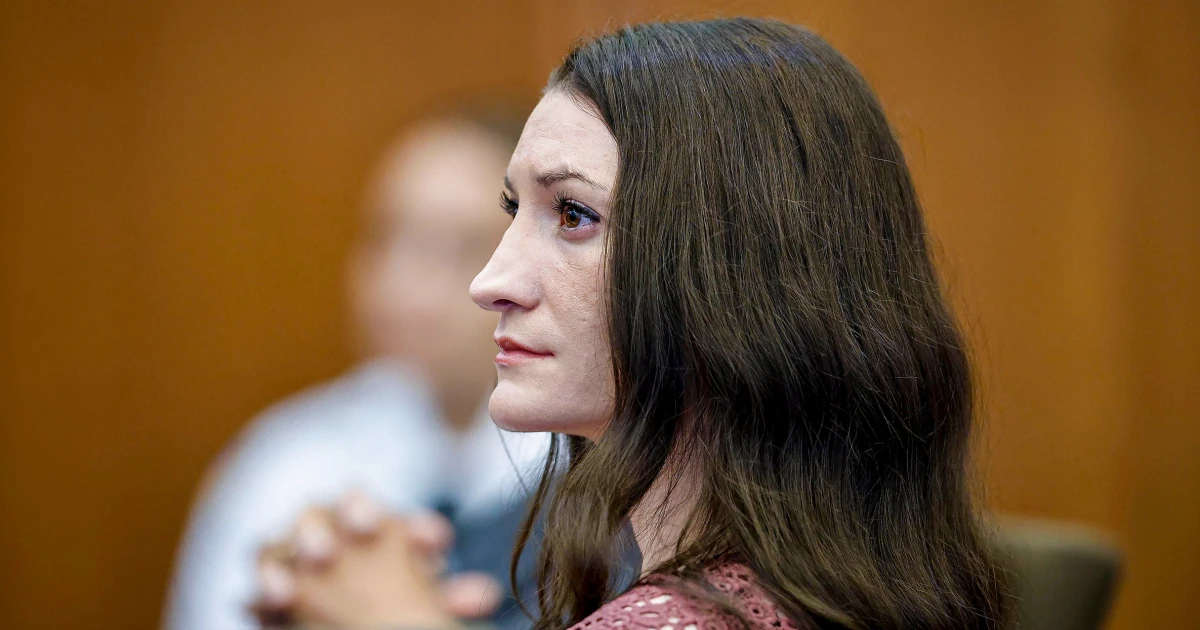
A Massachusetts judge has scheduled Lindsay Clancy to stand trial again in late March over the 2023 strangulation deaths of her three young children. Plymouth Superior Court Judge William Sullivan set the retrial date for March 29, 2027, rejecting arguments from prosecutors who had sought a later start date in May. The decision comes after Clancy's initial murder trial concluded in a mistrial earlier this autumn when jurors failed to reach a unanimous verdict.
The scheduling followed Judge Sullivan’s formal denial of a defense motion seeking to dismiss the criminal charges against Clancy entirely. Her defense counsel had argued that subjecting her to a second trial violated constitutional protections against double jeopardy, claiming the judge declared the mistrial prematurely. Sullivan rejected that premise, ruling that the deadlock was genuine and that the Commonwealth of Massachusetts is legally entitled to retry the case.
The high-profile legal battle stems from Clancy's first proceedings, which concluded in September after days of intense jury deliberations. Post-trial disclosures revealed that eleven members of the twelve-person jury had favored acquitting Clancy by reason of mental illness or insanity. A single holdout juror refused to join the majority, leaving the panel fundamentally split on three counts of first-degree murder and resulting in the declared mistrial.
Prosecutors allege that Clancy killed her five-year-old daughter Cora, three-year-old son Dawson, and eight-month-old son Callan inside the family’s suburban home in Duxbury, Massachusetts, in January 2023. Emergency responders discovered the children after Clancy’s husband returned from running errands to find his wife injured outside the residence following an apparent suicide attempt. The children were transported to medical facilities, where the older two were pronounced dead shortly afterward and the infant died days later.
Throughout the legal proceedings, Clancy’s defense team has not disputed that she caused the physical deaths of her children using exercise bands. Instead, her attorneys maintain that she was suffering from acute postpartum psychosis and severe depression that completely impaired her legal sanity. The defense presented testimony indicating that she experienced command auditory hallucinations and irrational delusions that robbed her of the capacity to appreciate the wrongfulness of her actions.
State prosecutors, however, have argued that Clancy acted with deliberate premeditation and understood what she was doing at the time of the killings. During the initial trial, the Commonwealth emphasized Clancy's internet searches, careful scheduling, and interactions with her husband earlier that evening as evidence of rational planning. Prosecutors maintained that while Clancy had documented mental health struggles, her actions met the statutory threshold for first-degree murder under state law.
The Clancy case has sparked widespread national conversation across the United States regarding perinatal mental health disorders and the legal standards for criminal responsibility. Maternal healthcare advocates have followed the case closely, highlighting systemic gaps in recognizing and treating postpartum psychosis before tragic crises emerge. Legal experts note that insanity defenses remain exceptionally difficult to secure in American courts, making the near-acquittal in Clancy's first trial a rare and significant legal outcome.
Before the new trial commences in the spring, the court has scheduled several interim hearings to resolve procedural disputes and court administration matters. A preliminary session dedicated to courtroom logistics and security protocols is set for December 30, followed by a formal pretrial conference on February 18. Both sides will use these intervening months to reassess their witness rosters and refine legal strategies ahead of jury selection.
Judge Sullivan signaled during the scheduling conference that he intends to keep the matter moving promptly toward resolution without prolonged delays. The judge is slated to retire from the bench in June 2027, making the March timeline essential for concluding the matter under his supervision. When proceedings resume, a newly impaneled jury in Plymouth County will once again be tasked with weighing Clancy’s mental state against the state’s severe criminal charges.
Primary source: Google News U.S.. Newzly rewrites and structures source reporting for clarity; verify critical details at the original.