Five European Leaders Call for Closer EU-UK Clean Energy Ties Ahead of Brussels Summit
The leaders of Germany, Belgium, the Netherlands, Luxembourg, and Denmark have urged top EU officials to deepen ties with Britain, arguing clean energy cooperation will benefit both sides ahead of a Brussels summit.
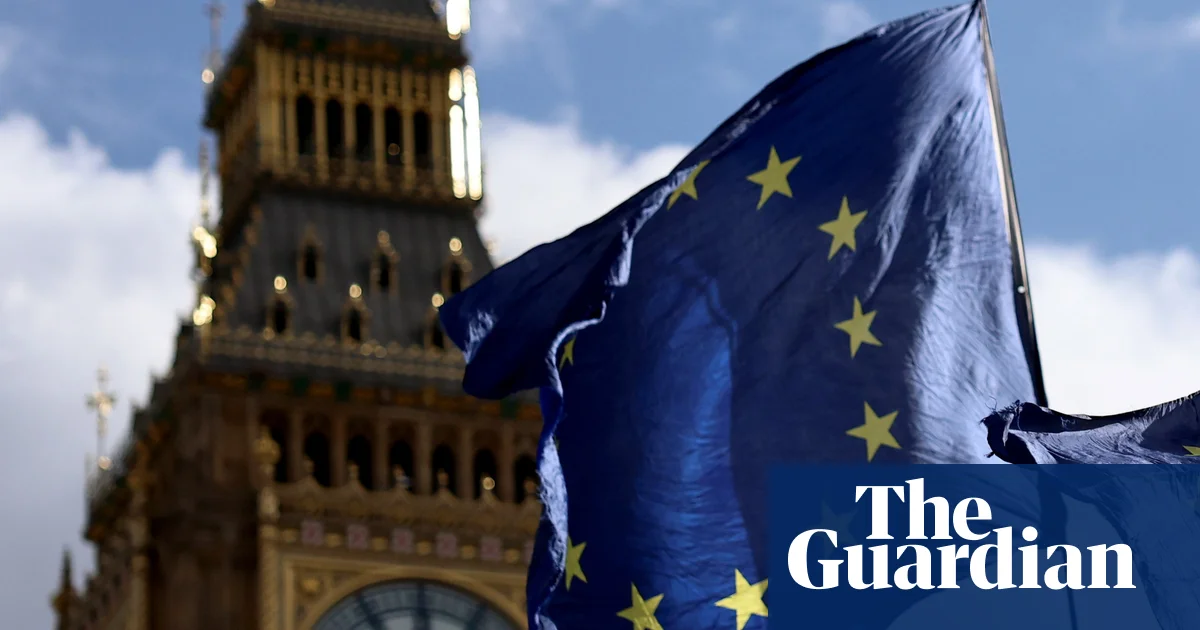
The leaders of five European nations have formally called for closer ties between the European Union and Britain ahead of an upcoming bilateral summit in Brussels. In a joint letter sent to top European Union leadership, the heads of government highlighted clean energy as a vital area where deepened partnership would deliver mutual advantages. The coordinated move sets an ambitious tone for high-level diplomatic discussions between London and European capitals.
The diplomatic initiative was spearheaded by the leaders of Germany, Belgium, the Netherlands, Luxembourg, and Denmark. Their joint appeal was addressed directly to European Commission President Ursula von der Leyen and European Council President António Costa. By engaging the EU's top executive and council leadership, the five governments underscored the institutional significance of their request.
At the heart of the joint communication is a shared conviction that closer cooperation on clean energy will generate substantial economic and environmental dividends. The signatory nations stressed that joint efforts on renewable power generation and grid interconnectivity can significantly advance European climate goals. They noted that aligning energy initiatives across the English Channel serves the long-term strategic interests of both the UK and continental Europe.
The letter comes at a crucial moment as London and Brussels continue to define the day-to-day contours of their post-Brexit relationship. While formal ties remain anchored in existing trade agreements, member states have sought pragmatic avenues to collaborate on pressing cross-border challenges. Establishing closer sectoral ties on energy offers a targeted mechanism for cooperation without reopening broader political disputes.
Geographic and physical realities make renewable energy collaboration particularly compelling for the five nations, which share maritime and power interests with Britain across the North Sea. Offshore wind farms, undersea interconnectors, and shared power grids inherently rely on integrated technical standards and regional planning. Without coordinated multilateral governance, managing regional offshore infrastructure becomes markedly more complex and inefficient.
The push also reflects broader economic and energy security imperatives that have dominated European policy agendas in recent years. Ensuring reliable access to diversified, sustainable energy sources remains essential for stabilizing industrial production and consumer power costs across the continent. Enhanced cooperation with Britain could optimize energy flows, reduce price volatility, and enhance system resilience during peak demand periods.
For European Union institutions, the proposal requires balancing pragmatic engagement against the protection of single market rules. Commission officials must ensure that any specialized partnership framework respects established regulatory boundaries and existing governance mechanisms. However, the backing of key founding and northern member states provides meaningful political weight to finding common ground.
The coalition of Germany, Belgium, the Netherlands, Luxembourg, and Denmark represents a significant and influential grouping within the 27-member union. Their synchronized message to von der Leyen and Costa signals to other member states that energy cooperation with Britain should be prioritized during the Brussels meetings. This collective stance demonstrates a growing appetite among western European leaders for practical diplomacy.
As preparations for the Brussels summit finalize, attention turns to how EU officials and British counterparts will respond to the leaders' proposal. Observers will be monitoring whether the upcoming summit agenda formally incorporates clean energy working tracks into bilateral communiques. If embraced by summit participants, the initiative could establish a structured framework for joint clean power investments and policy coordination in the years ahead.
Primary source: The Guardian Business. Newzly rewrites and structures source reporting for clarity; verify critical details at the original.