Great British Railways Legislation Nears Approval as Network Faces Looming 2027 Test
Legislation to establish Great British Railways is on track for royal assent before Christmas, but industry experts warn the incoming public rail body faces a baptism of fire as it confronts ageing infrastructure and severe weather challenges.
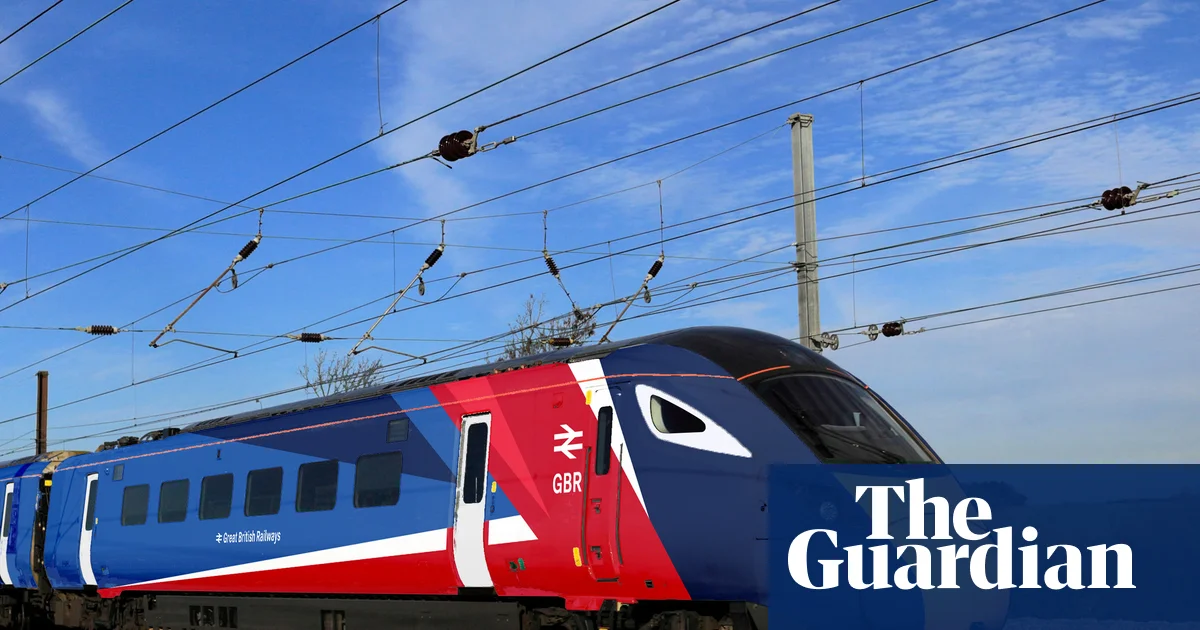
Legislation establishing Great British Railways could receive royal assent before Parliament breaks for Christmas, paving the way for the creation of a unified body to oversee Britain's rail network. Rail Minister Peter Hendy told an industry conference in London that the landmark bill is now in its final stages of consideration in the House of Lords. If enacted on schedule, the measure will bring to fruition a structural overhaul of the rail system that has been anticipated for the better part of a decade.
The incoming legislation is designed to fundamentally remake how Britain’s railways operate by replacing fragmented structures with a single arm’s-length public organization. Great British Railways will assume overarching control across both track infrastructure and passenger train operations under a renationalised model. Proponents argue that unifying track management and service provision will streamline accountability and modernize management across the national network.
Despite the formal legal milestone nearing completion, industry analysts and railway observers warn that the organization faces immense operational hurdles ahead. Experts are predicting what many describe as a baptism of fire for the newly established network in 2027, when structural integration accelerates amidst mounting systemic pressures. The transition will take place under scrutiny from passengers and taxpayers eager for tangible improvements in daily services.
Central to the looming difficulties is the deteriorating state of the underlying physical infrastructure and rolling stock. Operators across the country continue to contend with ageing track and clapped-out trains that require substantial capital investment and persistent maintenance. Addressing these legacy issues while maintaining regular operations represents one of the most demanding technical tasks confronting the new body.
Compounding the equipment and track maintenance deficit is the escalating threat posed by severe environmental conditions. Railway assets are being subjected to extreme weather-related stress, which has increasingly triggered service disruptions, infrastructure failures, and emergency engineering interventions. Developing operational resilience against volatile climatic patterns will demand significant resources just as the body takes the reins.
Within the transport sector, the imminent arrival of full operational control has generated both anticipation and anxiety. Some railway figures are warning colleagues to be careful what they wish for, as public ownership transfers direct responsibility for every failure directly to the central body. Without private operators acting as buffers, structural delays and systemic breakdowns will fall squarely on the shoulders of state rail leadership.
The passage of the bill through the House of Lords marks the culmination of protracted policy deliberations and multi-year legislative drafting. Hendy indicated to industry delegates that momentum remains strong, offering a fair chance that the measure will clear all parliamentary hurdles before the winter recess concludes. Securing the legal mandate is widely regarded as the essential first phase of a broader multi-year overhaul.
Once the statutory framework is locked into law, focus will immediately turn to the complex task of integrating disparate operations and workforce structures. Merging track administration with train running services requires harmonizing technical standards, contractual mechanisms, and day-to-day coordination. Achieving seamless operational cohesion across such a sprawling enterprise is expected to take extensive administrative preparation before full rollout.
As parliament prepares for its year-end recess, the impending establishment of Great British Railways signals the end of a long legislative journey and the start of a far tougher operational chapter. While the statute books may reflect the change by Christmas, the real test of whether the new entity can resolve entrenched network problems will arrive as 2027 approaches. How the leadership navigates legacy rolling stock, climate pressures, and public expectations will ultimately determine the network's long-term trajectory.
Primary source: The Guardian Business. Newzly rewrites and structures source reporting for clarity; verify critical details at the original.