Flávio Bolsonaro ordered to surrender passports after Brazil election defeat
Brazil’s defeated presidential challenger faces travel restrictions imposed by Supreme Court justice Alexandre de Moraes, with reporting linking the decision to a money-laundering investigation rather than the election result.
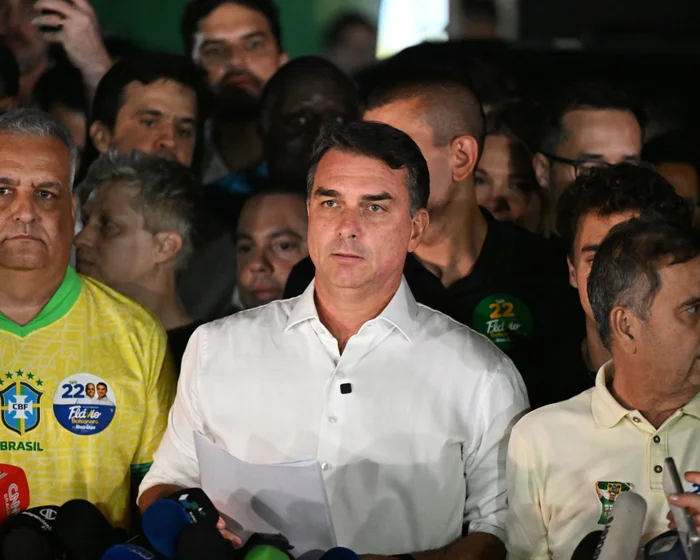
Brazilian senator Flávio Bolsonaro has been banned from leaving the country and ordered to surrender his passports after losing the presidential election to President Luiz Inácio Lula da Silva. Supreme Court justice Alexandre de Moraes issued the ruling, adding a legal setback to the far-right politician’s electoral defeat.
The travel restrictions emerged publicly on Monday, October 26, a day after the presidential runoff. Bolsonaro disclosed the police demand in a social media video, saying officers approached him after he visited his father, former president Jair Bolsonaro, according to Reuters.
Bolsonaro said he intended to comply and denied planning to flee Brazil. He attributed the decision to remarks by his brother Eduardo Bolsonaro, who had suggested during a podcast appearance that he should leave the country if he lost the election, Reuters reported.
Reporting on the court decision points to a separate legal context. CNN Brasil said it had obtained the confidential ruling and reported that Flávio Bolsonaro and lawyer and businessman Willer Tomaz are subjects of the same Supreme Court investigation into allegations of money laundering and unlawful transfers of funds abroad.
According to CNN Brasil, Moraes prohibited Bolsonaro from contacting Tomaz and ordered the cancellation of the senator’s Brazilian passport. The ruling also required him to surrender travel documents issued by other countries within 24 hours. Federal police notified Bolsonaro on Monday morning, the broadcaster reported.
The distinction between Bolsonaro’s explanation and the reported contents of the ruling matters: the measures concern an ongoing criminal investigation, not a judicial determination about the presidential election. The reported allegations remain allegations, and the passport restrictions do not themselves establish guilt or amount to a conviction.
Moraes is also the justice who oversaw Jair Bolsonaro’s trial for attempting a coup, according to the source material supplied by the Guardian. His role places the latest decision against the background of legal proceedings involving both the former president and his son, although the passport order concerns Flávio Bolsonaro’s own circumstances.
Reuters reported that Brazil’s Supreme Court and federal police did not immediately respond to requests for comment for its account. CNN Brasil subsequently supplied additional details attributed to the confidential decision. Those accounts distinguish the senator’s public description of the encounter from reporting based on the court document itself.
The immediate next step is compliance with the travel-document requirements while the investigation continues. Bolsonaro’s stated intention to obey the order does not resolve the underlying allegations; further court decisions and official statements will be needed to establish how the case proceeds and whether the restrictions change.
Primary source: The Guardian World. Newzly rewrites and structures source reporting for clarity; verify critical details at the original.