France Accuses Iranian Cyber Unit of Hacking Supermarket Fridges
France has formally accused an Iranian military cyber unit of hacking refrigeration controls across hundreds of French supermarkets, deliberately heating up freezers, spoiling food, and triggering calls for European sanctions.
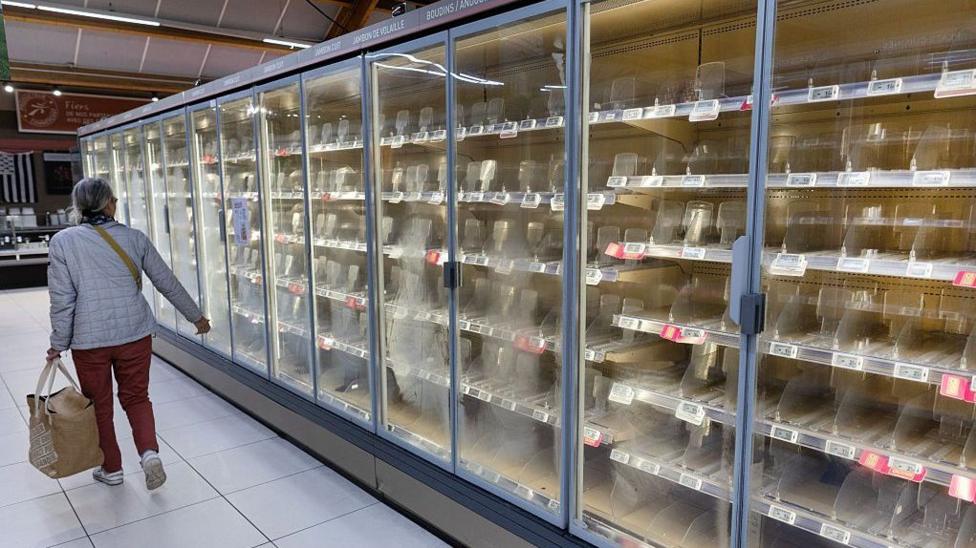
French authorities have formally accused Iran's military intelligence apparatus of carrying out a targeted cyberattack that crippled refrigeration units across hundreds of French supermarkets last month. According to government officials and prosecutors, hackers breached digital environmental management systems, intentionally raising temperatures inside commercial fridges and freezers to spoil food inventories.
The coordinated sabotage affected multiple retail chains across the country, forcing grocers to dispose of tons of perishable goods after temperatures climbed above safe thresholds. In several documented instances, altered system configurations caused industrial cooling equipment to overheat severely, triggering mechanical damage and localized fires.
Investigators tied the incident directly to Shahid Kaveh, an offensive cyber warfare unit operating under Iran's Islamic Revolutionary Guard Corps. The Paris prosecutor's office announced that it is pursuing international arrest warrants for the unit's commanding officer and two deputy leaders in connection with the operation.
French Foreign Minister Jean-Noël Barrot condemned the operation during a press conference, describing it as an unacceptable breach of critical infrastructure and public safety. Barrot signaled that Paris intends to push for coordinated sanctions at the European Union level targeting the entities and individuals responsible for orchestrating the disruption.
The disruption was not limited strictly to retail outlets, as subsequent digital ripples briefly compromised secondary cooling units, including systems utilized by French blood banks. Although technicians acted quickly to prevent catastrophic losses to medical supplies, the incident underscored the vulnerability of civilian supply chains to remote digital interference.
Security analysts tracking the breach noted that similar digital intrusion attempts and temperature tampering extended beyond French borders, targeting cooling installations in several other European nations. The regional footprint suggests a deliberate campaign aimed at exploiting common industrial control protocols across commercial facilities.
State-sponsored cyber offensive tactics have increasingly shifted from intelligence gathering toward the physical disruption of civilian and commercial hardware. Western cybersecurity agencies have repeatedly warned that Internet of Things sensors and remote building automation frameworks frequently lack the robust defenses necessary to repel sophisticated state-backed threats.
In response to the breaches, European supermarket operators and logistics providers have initiated comprehensive security audits to isolate their refrigeration management platforms from exposed external networks. Facilities management vendors are also rolling out firmware updates and restricting remote administrative access to prevent unauthorized thermal modifications.
The French government is preparing to present evidence from the cyber investigation to European allies as it builds consensus for punitive measures against Iranian cyber units. Legal proceedings in Paris are expected to continue as prosecutors coordinate with international law enforcement agencies to execute the requested arrest warrants.
With investigations ongoing and regional tensions remaining elevated, European authorities are urging commercial operators to treat environmental control systems as critical infrastructure assets. Officials emphasized that safeguarding automated cooling networks and food supply logistics will require heightened vigilance and closer intelligence sharing between private retailers and state cybersecurity agencies.
Primary source: BBC World. Newzly rewrites and structures source reporting for clarity; verify critical details at the original.