Iran Executes Three Men Accused of Armed Unrest in January Protests
Iranian authorities have executed three men accused of armed unrest during anti-government protests earlier this year, according to reports, amid persistent international scrutiny of the country's judicial practices.
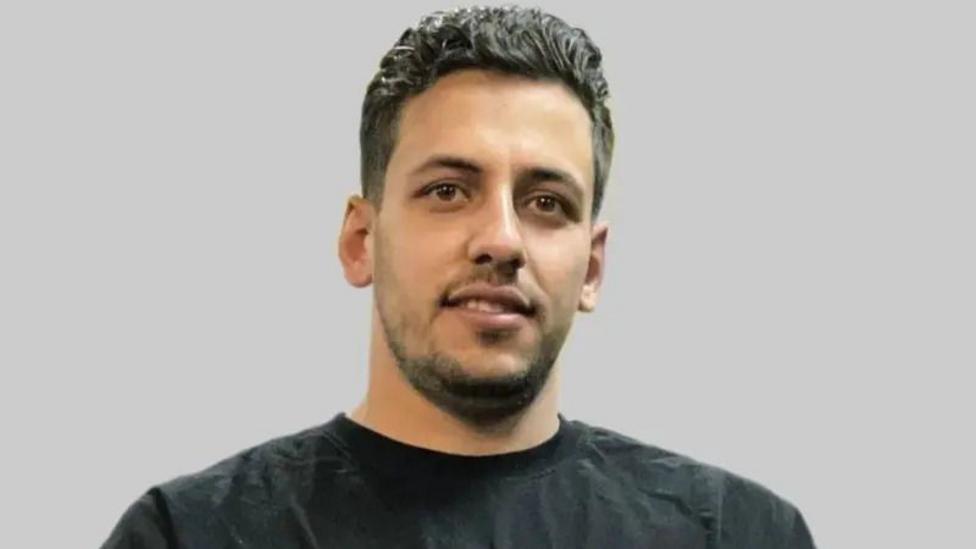
Iranian authorities have executed three men accused of participating in armed unrest connected to anti-government demonstrations held earlier this year, according to a report from BBC World. The individuals subjected to capital punishment were identified as Hassan Dioband, Hamid Kazemi, and Reza Zanganeh. The executions mark the latest enforcement of the death penalty tied to demonstrations that took place in January.
Official claims assert that the three men were directly involved in unrest that challenged authorities during the wave of protests. State-linked accounts characterized their actions as armed unrest, leading the Iranian judiciary to issue death sentences after legal proceedings. Specific evidentiary details detailing the precise nature of their alleged involvement were not comprehensively made public.
The executions come against a backdrop of ongoing state measures designed to penalize individuals connected to anti-government demonstrations. While authorities maintained that the men engaged in violent acts against domestic security structures, outside observers frequently scrutinize the credibility of such state allegations. The lack of independent judicial oversight continues to draw widespread skepticism from global rights organizations.
Information regarding the conditions of their detention, access to legal representation, and the formal court proceedings for Dioband, Kazemi, and Zanganeh remains limited in public records. Human rights monitors have repeatedly emphasized that individuals facing security charges in Iran frequently confront expedited trials. Independent verification of the formal charges brought against the men has been severely constrained by strict reporting limits.
The January protests followed a prolonged period of public frustration and economic hardship across multiple provinces in Iran. Similar demonstrations in recent years have seen thousands of citizens take to the streets, often met with forceful dispersals by security forces. The state has routinely categorized such unrest as foreign-backed agitation or armed subversion.
Iran continues to be ranked among the countries carrying out the highest number of executions globally each year. Rights groups have long documented the judiciary's application of capital charges, including armed rebellion and national security violations, against people detained during protests. Advocates emphasize that the frequent use of capital punishment is intended to dissuade future public mobilizations.
International scrutiny of Iran's penal system has intensified over the past several years as death sentences tied to civil unrest continue to be carried out. United Nations experts and global human rights groups have consistently called on the government to impose an immediate moratorium on capital punishment. Past executions of demonstrators have repeatedly drawn condemnations from foreign ministries across Europe and North America.
The implementation of the sentences against Dioband, Kazemi, and Zanganeh is expected to heighten grief and anxiety among the families of other detainees currently awaiting verdicts. Domestic civil society organizations operate under intense surveillance, leaving relatives with few avenues to challenge capital rulings. The psychological toll on communities affected by the state crackdowns remains severe.
Diplomatically, the executions are poised to reinforce international isolation and could prompt further targeted sanctions against judicial and security officials. Western governments and international rights agencies have previously penalized members of the Iranian judiciary for overseeing trials that fell short of international standards. Relations between Tehran and international oversight mechanisms remain characterized by friction and limited cooperation.
With judicial authorities continuing to enforce capital verdicts related to public unrest, rights advocates are closely tracking the status of other prisoners facing similar accusations. The executions of Dioband, Kazemi, and Zanganeh highlight the persistent perils faced by those entangled in state crackdowns following demonstrations. Observers anticipate renewed calls from global monitors urging accountability and legal reform in the country.
Primary source: BBC World. Newzly rewrites and structures source reporting for clarity; verify critical details at the original.