Francophone Summit Opens in Cambodia Amid Rwanda-DR Congo Rift
The international summit of French-speaking nations opened in Cambodia under heavy diplomatic strain, as the Democratic Republic of the Congo and Rwanda clashed over who should lead the global organization.
In this piece
The Francophone summit has opened in Cambodia amid sharp diplomatic friction between the Democratic Republic of the Congo and Rwanda. The two Central African…
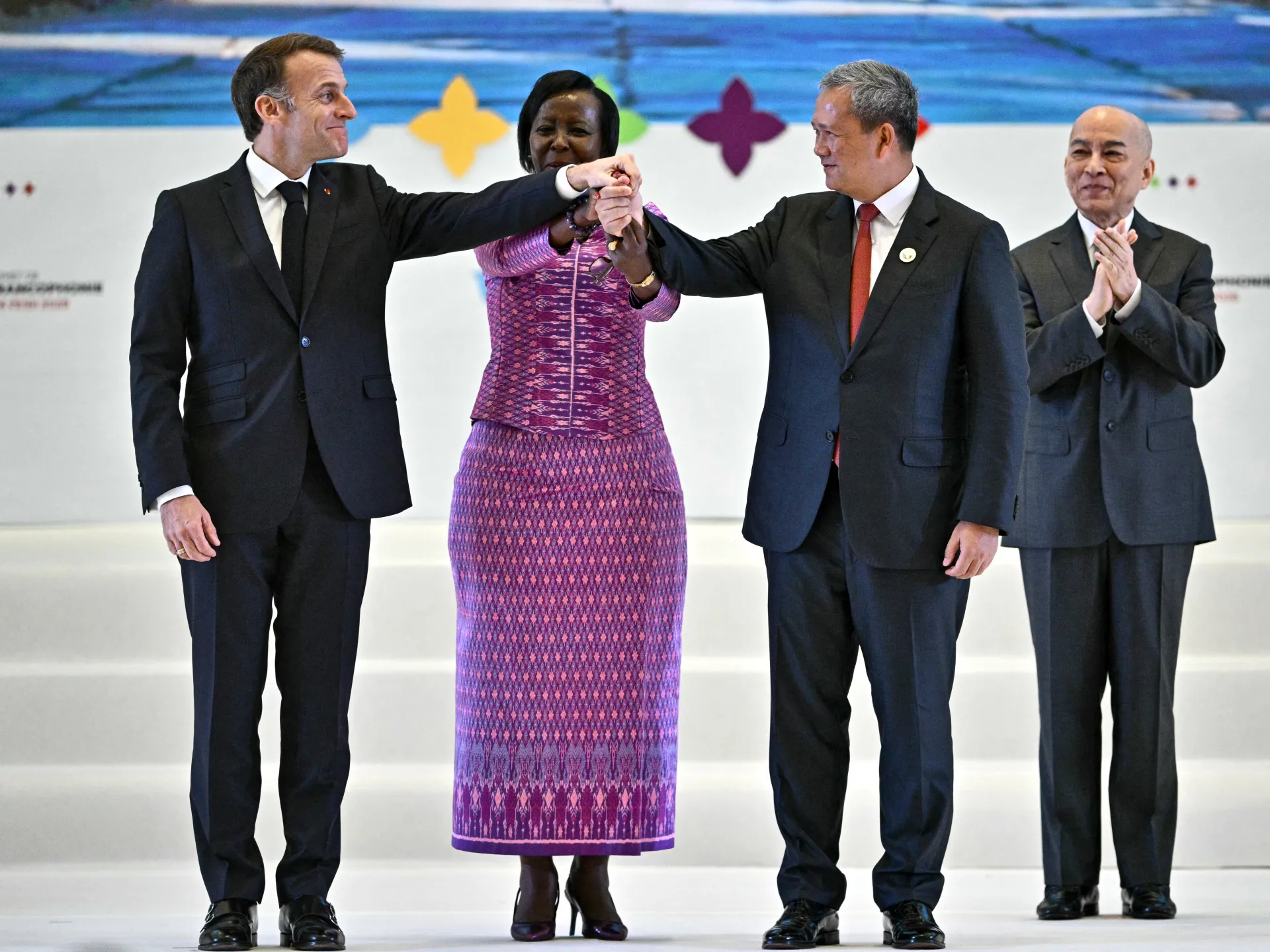
The summit of French-speaking nations opened in Cambodia against a backdrop of escalating diplomatic tension, as the Democratic Republic of the Congo and Rwanda engaged in a sharp dispute over leadership of the global body. Heads of state and senior delegates gathered for the high-level gathering, only to find proceedings overshadowed by the bilateral dispute between the two Central African neighbors. The confrontation highlights how deeply entrenched regional rivalries continue to complicate multilateral diplomacy within the international Francophone alliance.
At the center of the dispute is a contentious battle over which candidate should take the helm of the organization representing French-speaking countries worldwide. According to reports from Al Jazeera, representatives from both Kinshasa and Kigali clashed sharply as member states prepared to address governance and operational priorities. The contest for top executive roles within the alliance has intensified scrutiny over influence and diplomatic alignment among member nations across continents.
The clash in Cambodia reflects the broader and longstanding political tensions between the Democratic Republic of the Congo and Rwanda. Diplomatic relations between the two neighbors have been strained for years by security concerns, border frictions, and competing regional interests in eastern DR Congo. Bringing those grievances to a premier international summit demonstrates how bilateral friction can spill across geographic boundaries and dominate international platforms.
Hosted this year in Southeast Asia, the Francophone summit was originally conceived to showcase linguistic solidarity, cultural collaboration, and shared economic partnerships beyond traditional European spheres. Cambodia's role as host nation was intended to spotlight the organization's historical ties and evolving footprint in Asia. Instead, early discussions have been heavily colored by political discord originating thousands of miles away in Central Africa.
The leadership struggle carries substantial institutional stakes for the broader coalition of French-speaking states. The secretary-general and leadership council shape the organization's diplomatic mediation initiatives, developmental funding priorities, and educational programs. Observers note that when key member states disagree sharply over top administrative appointments, it risks stalling institutional consensus and slowing diplomatic initiatives.
Delegations attending the summit have found themselves navigating a delicate diplomatic landscape as both Rwanda and the Democratic Republic of the Congo lobby for support among fellow members. African member states, which comprise a vital and substantial voting bloc within the alliance, face difficult balancing acts between regional solidarity and individual national partnerships. Many delegations are quietly working in committee sessions to prevent the leadership quarrel from paralyzing broader summit declarations.
Diplomats and summit organizers have increasingly focused on closed-door negotiations in an effort to reach common ground or avert a prolonged impasse. Behind-the-scenes talks on the sidelines of the plenary sessions have sought to de-escalate rhetoric and maintain focus on collaborative agenda items such as economic development, youth engagement, and digital access. Despite these efforts, finding a compromise acceptable to both Kinshasa and Kigali remains a formidable challenge.
The dispute highlights the broader vulnerabilities facing language-based and multilateral organizations in an increasingly fractured geopolitical landscape. When bilateral conflicts between member states become intractable, cultural and linguistic bonds often struggle to bridge fundamental political divisions. How the assembly handles this leadership division could set a lasting precedent for crisis management and consensus-building within the coalition.
As summit deliberations proceed, member states are expected to weigh formal proposals and explore possible avenues to resolve the leadership deadlock before final communiqués are released. Observers and delegates will be watching closely to see whether diplomatic mediation can produce a viable consensus candidate or if unresolved acrimony will linger past the closing ceremonies. The eventual resolution will likely signal the organization's capacity to navigate deep political rifts among its most prominent members.
Primary source: Al Jazeera. Newzly rewrites and structures source reporting for clarity; verify critical details at the original.