From Thoreau to Steve Jobs: Why the West Embraced Indian Philosophy
From nineteenth-century Transcendentalists like Henry David Thoreau to modern innovators including Apple co-founder Steve Jobs, Indian philosophical traditions have consistently offered Western thinkers a framework for spiritual inquiry, mental clarity, and purposeful living.
In this piece
Western intellectual history has long maintained a profound engagement with Indian metaphysics and philosophy. From early American thinkers seeking harmony with…
The recurring fascination of Western thinkers with Indian philosophical thought highlights an enduring cultural and intellectual bridge between East and West. Across successive generations, leading Western writers, scientists, and entrepreneurs have looked beyond classical Western paradigms to examine Eastern metaphysics, seeking deeper answers regarding human existence, consciousness, and the inner self.
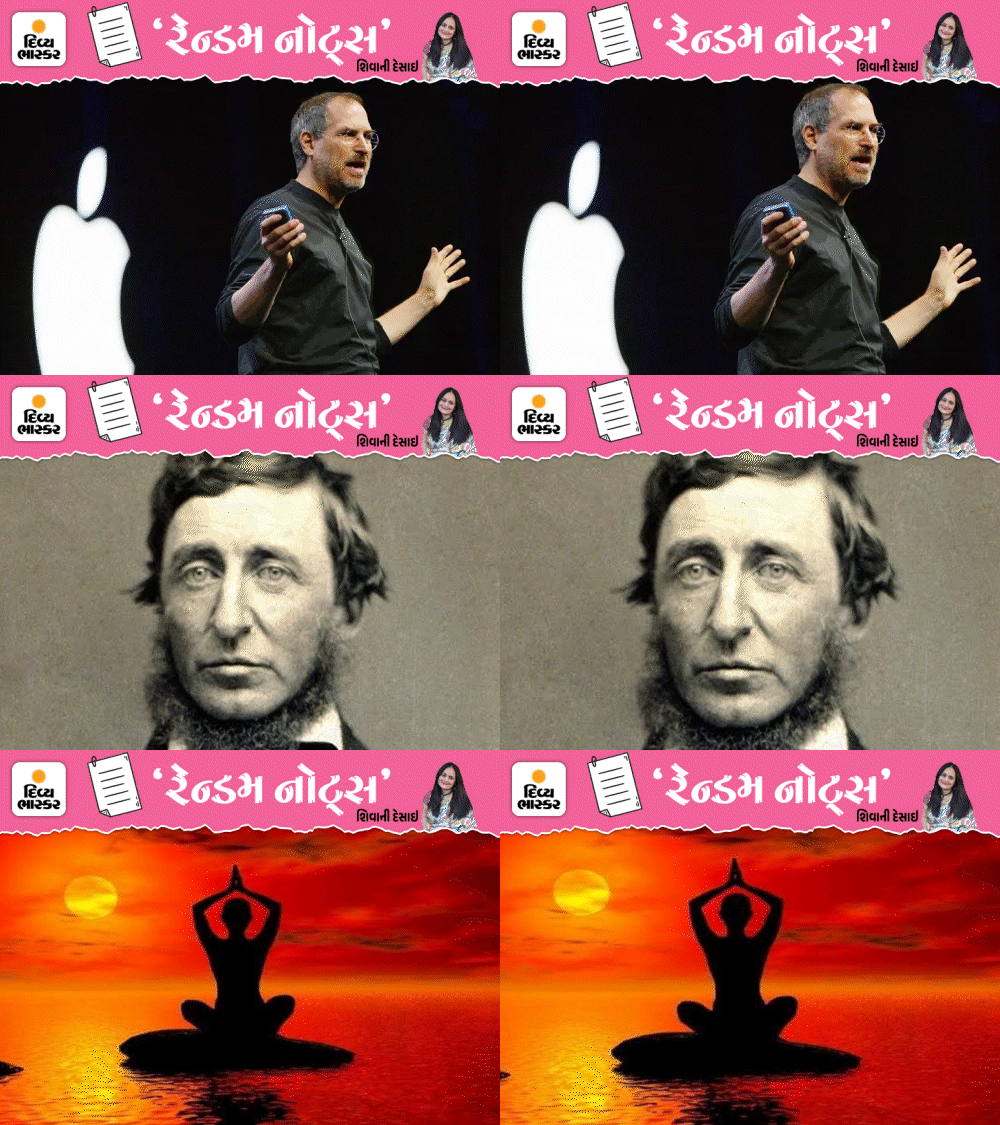
The roots of this engagement deepened significantly during the nineteenth century, most visibly among the American Transcendentalists. Figures such as Henry David Thoreau immersed themselves in translations of foundational Indian texts, discovering in ancient Vedic and Upanishadic literature a philosophical resonance that challenged the growing industrialization and materialism of the Western world.
For Thoreau, writing from the quietude of Walden Pond, Eastern thought provided a compelling vision of harmony with the natural environment and deliberate living. He frequently drew parallels between ascetic contemplative traditions and his own pursuit of spiritual self-reliance, demonstrating how Indian metaphysical perspectives could offer practical guidance for personal and moral development.
As the twentieth century progressed, the Western encounter with Indian thought expanded from quiet literary circles into broader cultural currents. The post-war era brought renewed interest in meditation, yoga, and non-dualist philosophy, as Western societies grappled with the psychological strains of rapid economic expansion and technological upheaval.
This intellectual migration took a modern turn during the 1970s, when young Western innovators sought spiritual grounding through firsthand journeys to India. Among them was a young Steve Jobs, who traveled across the country in search of spiritual enlightenment before returning to California to co-found Apple Computer.
Jobs's exposure to Eastern philosophies, particularly meditation and minimalist aesthetics, left a lasting imprint on his perspective on intuition, clarity, and simplicity. His later work emphasized paring down products to their essential core, a design ethos that mirrored contemplative principles emphasizing the elimination of clutter to reveal underlying truth.
The enduring appeal of Indian philosophy in the West often stems from its distinct approach to epistemology and the nature of the mind. While Western intellectual traditions historically prioritized empirical observation, material progress, and dualistic categorization, Indian philosophies offered sophisticated methodologies for examining subjective experience and self-awareness from within.
In recent years, this cross-pollination has increasingly shaped contemporary conversations around mental health, workplace culture, and modern technology. Practices rooted in Eastern traditions, including mindfulness and disciplined attention, are now widely studied in cognitive science and integrated into corporate leadership training across the globe.
As technological advancements accelerate and societal pace intensifies, retrospective analyses of thinkers like Thoreau and Jobs underscore an ongoing Western appetite for ancient philosophical wisdom. Observers note that as long as material affluence coexists with existential restlessness, the dialogue between Indian philosophy and Western innovation will continue to evolve, offering reflective frameworks for an increasingly complex world.
Primary source: Divya Bhaskar NRG. Newzly rewrites and structures source reporting for clarity; verify critical details at the original.