Gopashtami 2026: Devotees Worship Lord Krishna and Support Cow Shelters
Devotees across India are observing Gopashtami by offering prayers to Lord Krishna in his pastoral form, feeding cattle, and donating resources to local cow shelters.
In this piece
Devotees across India are marking the festival of Gopashtami with prayers to Lord Krishna's Gopal form and charitable drives for cattle welfare. Observances…
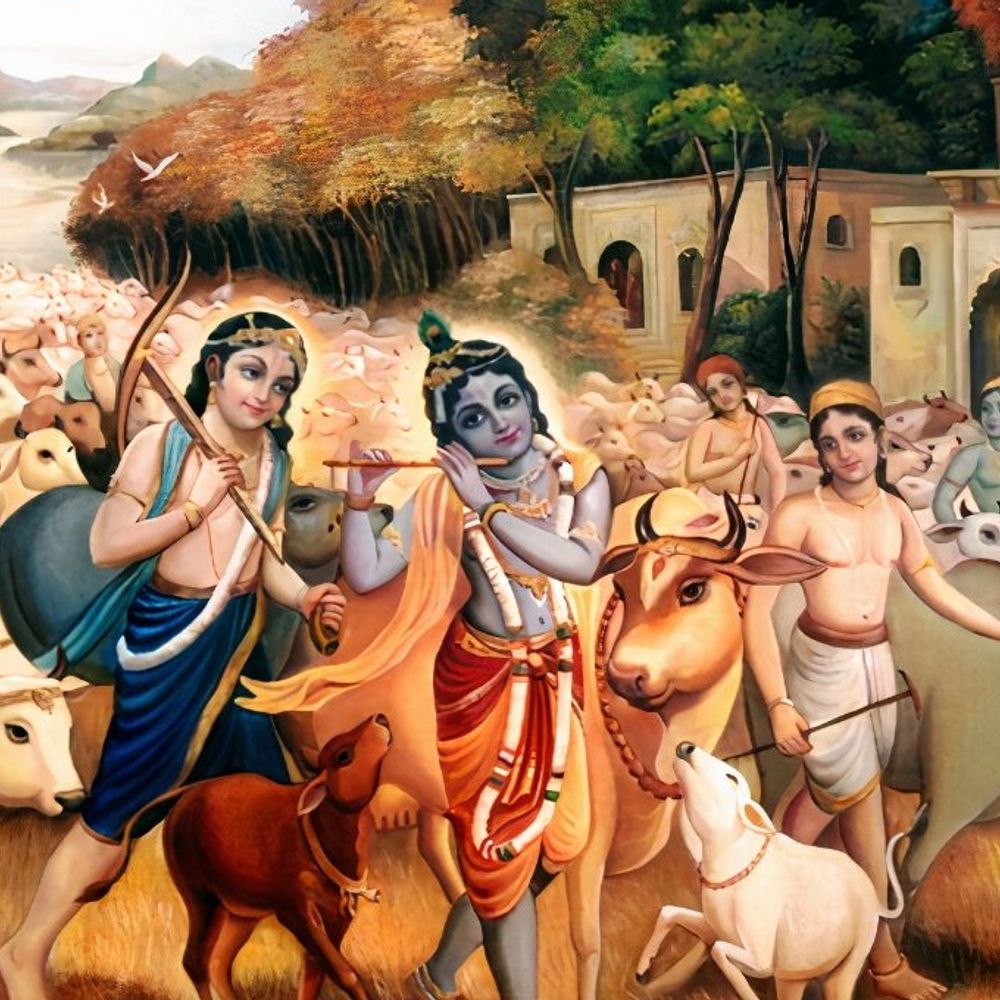
Devotees across India are observing Gopashtami on Tuesday, marking the annual Hindu festival dedicated to the veneration of cattle and Lord Krishna in his pastoral form as Gopal. The occasion, traditionally observed on the eighth day of the bright fortnight in the lunar month of Kartik, is marked by temple prayers, community rituals, and charitable activities organized across the country.
Traditional observances center on offering worship to Lord Krishna, bathing and decorating cows, and feeding them fresh green fodder and sanctified food. Devotees also visit local gaushalas, or cow shelters, to make voluntary contributions of feed, medical aid, and financial support. Religious observers emphasize that performing selfless service to cattle holds special spiritual merit on this day.
According to Hindu sacred tradition, Gopashtami commemorates the day Lord Krishna was officially entrusted with the responsibility of herding adult cows by his father, Nanda Maharaj. Prior to this milestone, Krishna and his brother Balarama were only permitted to herd calves due to their young age. The transition to becoming full cowherds is commemorated as an important event in the pastoral life of Krishna, particularly within the sacred Braj region.
Across neighbourhood shelters and shrines, the morning begins with cleaning and garlanding cows, followed by the application of traditional vermilion and turmeric tilaks. Priests and devotees conduct aarti ceremonies around the animals, offering jaggery and fresh grass before performing ritual circumambulations. Several social organizations also coordinate mass feeding drives to promote cattle welfare.
The festival serves as a critical period of community mobilization for bovine welfare institutions. Many gaushalas rely heavily on public donations made during Gopashtami to cover operating expenses, care for abandoned or ailing animals, and secure feed reserves. Trustees utilize the influx of support to purchase dry fodder stocks and prepare shelters for the upcoming winter season.
Beyond ceremonial practices, cultural scholars note that the observance highlights India's historical agrarian heritage and human coexistence with domestic animals. In farming communities, the day reinforces the enduring economic and environmental importance of cattle in rural ecosystems. The occasion encourages broader public reflection on animal protection and sustainable rural life.
Prominent gatherings and celebrations are also recorded across major pilgrimage centers in Uttar Pradesh, notably in Mathura and Vrindavan. Devotees gather at historic temples to participate in devotional hymn recitations and community feasts known as bhandaras. Pilgrims also undertake parikramas around sacred pastoral landmarks connected to Vaishnava lore.
Festivities are scheduled to continue through the evening with temple discourses, cultural performances, and twilight prayer services dedicated to the divine cowherd. Community leaders and shelter administrators have urged devotees to sustain their charitable engagement throughout the year, noting that seasonal festivals provide an important reminder of ongoing animal welfare responsibilities.
Primary source: Divya Bhaskar Dharm Darshan. Newzly rewrites and structures source reporting for clarity; verify critical details at the original.