business·Delhi·New Delhi District
Government Begins Budget 2027-28 Preparations as Sitharaman Meets Economists
Union Finance Minister Nirmala Sitharaman has initiated consultations with leading economists in New Delhi, kicking off preparations for the 2027-28 Union Budget ahead of its anticipated February 1 presentation.
In this piece
Finance Minister Nirmala Sitharaman has commenced formal pre-budget consultations with top economists in New Delhi to outline fiscal priorities for the 2027-28…
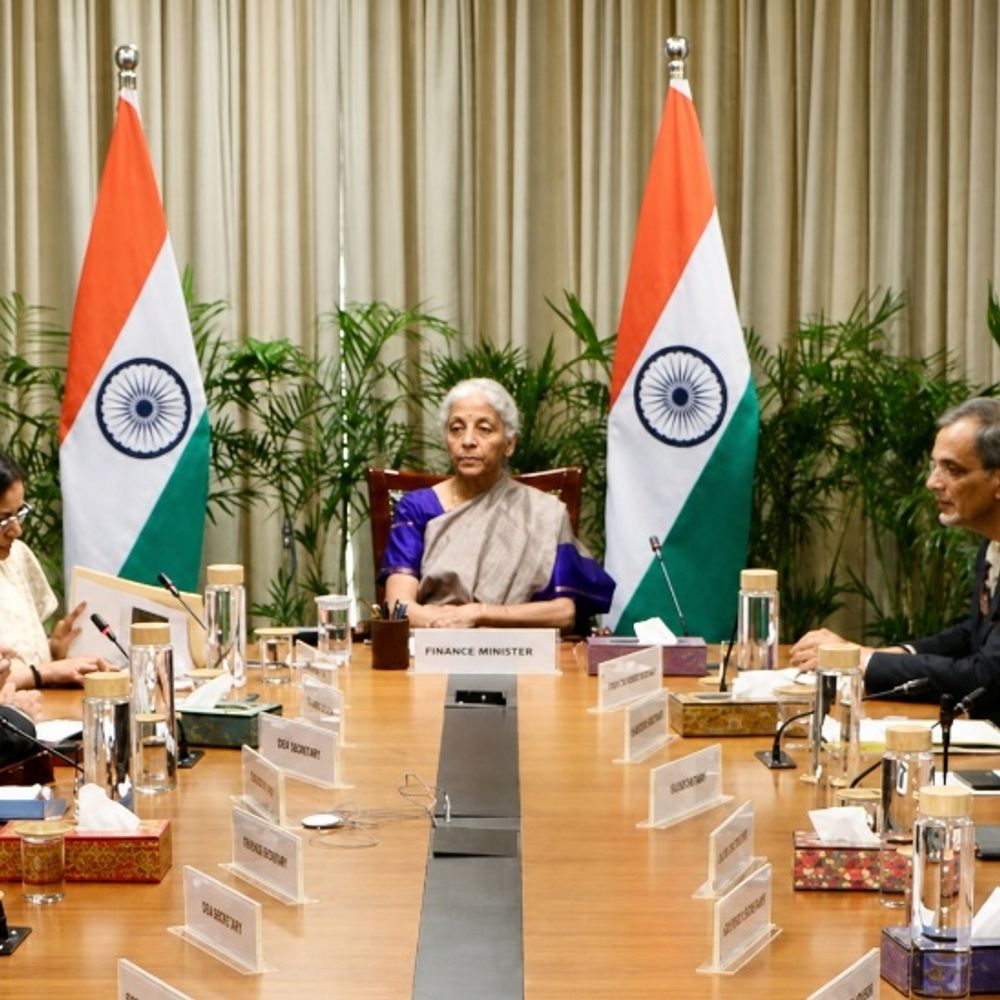
Union Finance Minister Nirmala Sitharaman has initiated preparations for the upcoming Union Budget 2027-28, holding the first round of pre-budget consultations with leading economists in New Delhi. The annual financial statement is widely anticipated to be presented in Parliament on February 1, marking the formal kickoff of comprehensive budgetary deliberations across key sectors.
The consultative meeting brought together prominent economic experts and senior officials from the Ministry of Finance to exchange perspectives on the nation's economic trajectory. During the session, economists shared their recommendations on fiscal policy management, inflation control, revenue collection strategies, and measures to support sustained gross domestic product growth.
Pre-budget discussions are a cornerstone of India's annual financial planning cycle, providing policymakers with direct industry and academic insights before the final ledger is drafted. The finance ministry traditionally conducts several rounds of meetings with diverse stakeholder groups, including agricultural representatives, trade unions, industry chambers, financial market experts, and social sector advocates.
Beginning the consultation phase in mid-November aligns with the established schedule required to compile complex departmental expenditure demands and fiscal estimates. Over the coming weeks, dedicated working groups within the ministry will evaluate these external suggestions against the government's overarching fiscal deficit targets and resource mobilization frameworks.
Economists participating in such high-level dialogues typically concentrate on balancing capital expenditure with ongoing fiscal consolidation objectives. Analysts emphasize the need to navigate global headwinds, supply chain dynamics, and domestic consumption patterns, all while maintaining robust investment in vital public infrastructure and social welfare programs.
The forthcoming budget will be closely scrutinized by domestic industries and international investors looking for clear signals on tax rationalization and investment incentives. Experts often underscore the importance of targeted policy reforms to stimulate private sector capital spending, generate sustainable employment, and support small and medium-sized enterprises across the country.
Following the macroeconomic consultations with economists, the finance ministry typically transitions to bilateral deliberations with central administrative ministries and state stakeholders. These administrative reviews assess expenditure patterns for the current financial year and establish revised spending ceilings for future department allocations.
Since 2017, the central government has consistently presented the Union Budget on the first day of February, advancing the timeline from the previous end-of-February convention. This scheduling allows parliamentary approval to conclude before the start of the new financial year on April 1, enabling ministries to deploy allocated funds without interim authorization hurdles.
With the initial round of expert consultations completed, the finance ministry is expected to broaden its stakeholder outreach in New Delhi over the next few weeks. Market observers and civic groups will follow the proceedings closely as the drafting process enters its most intensive phases leading up to the parliamentary tabling in early 2027.
Primary source: Divya Bhaskar Business. Newzly rewrites and structures source reporting for clarity; verify critical details at the original.