Government Issues Cyber Advisory Warning WhatsApp Web Users of Account Takeover Risks
Indian cyber authorities have warned computer users against leaving WhatsApp Web sessions active on shared systems, cautioning that unclosed logins create vulnerabilities for unauthorized account takeovers and data theft.
In this piece
The Indian government has issued a cyber advisory urging users to exercise caution when accessing WhatsApp Web on public or shared computers. Leaving active…
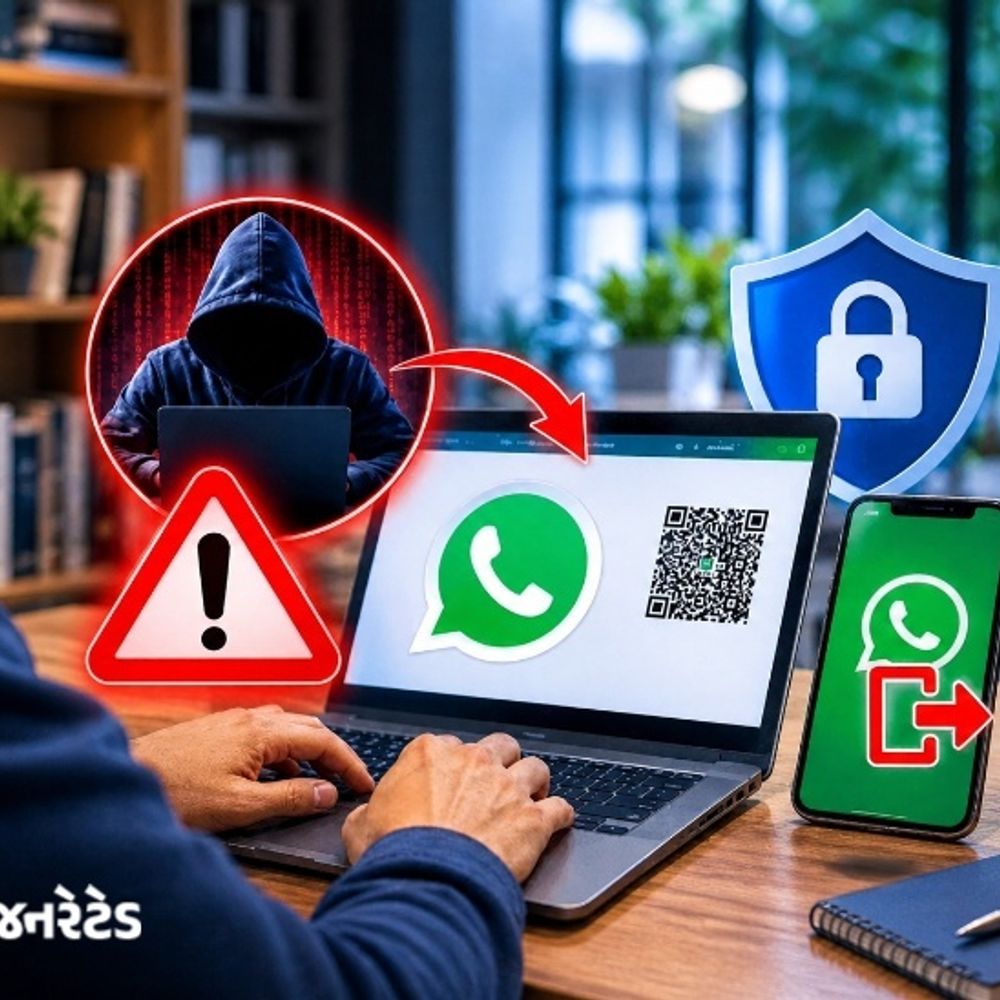
The Indian government has issued a cybersecurity advisory alerting citizens to heightened security risks associated with WhatsApp Web. Authorities warned that failing to properly manage web browser sessions can expose personal accounts to hijacking, data leaks, and identity theft.
According to cybersecurity officials, the primary threat stems from users who authenticate WhatsApp Web on workplace desktops, cybercafes, or shared computers and fail to log out manually. A common misconception among users is that merely closing the browser window or navigation tab terminates the connection, leaving the underlying session active and accessible to anyone with subsequent physical access.
Once an unauthorized individual gains access to an authenticated web session, they can review confidential correspondence, download shared multimedia, and monitor ongoing group communications. Malicious actors can also exploit this access to impersonate legitimate account owners, sending deceptive requests or fraudulent financial appeals to unsuspecting contacts who trust the sender's identity.
To counter these vulnerabilities, the advisory outlines several practical security measures for regular desktop users. The foremost recommendation is to establish a routine of explicitly terminating sessions by selecting the logout option within the web portal or through the mobile application's settings menu rather than simply exiting the software.
Authorities also strongly advised against logging into personal or work messaging accounts from communal terminals, such as hotel business centers or public kiosks. When remote or temporary access is unavoidable, users are urged to operate strictly within private browsing or incognito windows, which minimize persistent local caching of session tokens.
The advisory further highlights the hazard of transmitting highly sensitive organizational, financial, or governmental information over messaging channels on shared hardware. Officials pointed out that unmonitored browser environments can host keyloggers, malicious browser extensions, or unauthorized screen capture tools capable of intercepting conversations in real time.
Account holders are encouraged to proactively review their active connections through the WhatsApp mobile application by inspecting the linked devices tab. If users identify unrecognized desktop clients, unfamiliar operating systems, or unexpected geographic logins, they should immediately revoke permissions by disconnecting the anomalous sessions.
The warning comes amid a broader initiative by national cyber safety agencies to curtail social engineering attacks and digital identity fraud across digital communication platforms. As hybrid working models and desktop messaging tools become standard across professional environments, messaging sessions increasingly present high-value targets for opportunistic intruders.
Cybersecurity agencies noted that maintaining fundamental digital hygiene remains the most effective defense against unauthorized access. Regulators and digital security monitors are expected to continue issuing operational advisories as digital communication tools evolve, urging users to verify security settings and report suspicious activities to designated fraud portals.
Primary source: Divya Bhaskar Utility. Newzly rewrites and structures source reporting for clarity; verify critical details at the original.