world·Massachusetts·Essex County
Haverhill Faces Water Emergency as Severe Drought Threatens Municipal Reservoir
State environmental regulators have declared a water supply emergency in Haverhill, Massachusetts, as severe drought dries up Kenoza Lake and forces the city to consider drawing from the Merrimack River.
In this piece
Massachusetts environmental officials have declared a water supply emergency for Haverhill after reservoir levels at Kenoza Lake dropped sharply amid severe…
State environmental officials have declared a water supply emergency in Haverhill, Massachusetts, as persistent drought conditions severely deplete the city's primary reservoir. The declaration by the Massachusetts Department of Environmental Protection enables municipal authorities to prepare emergency contingency plans, including the potential withdrawal of water from the Merrimack River.
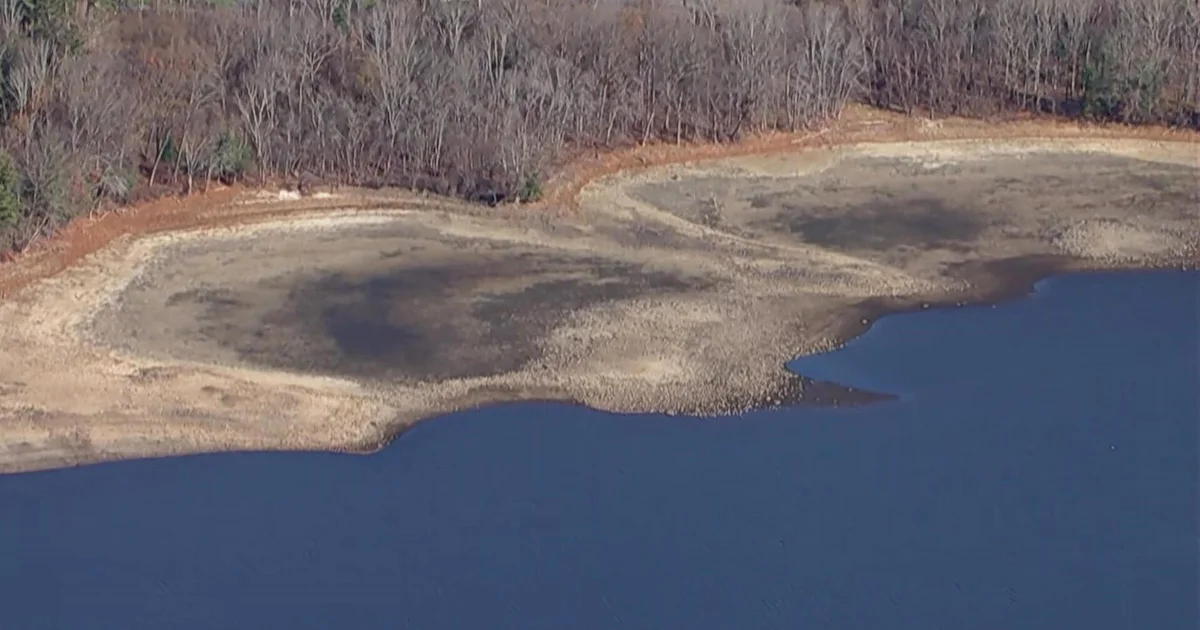
The emergency follows an alarming decline at Kenoza Lake, Haverhill's principal drinking water source. Water levels at the reservoir have plummeted roughly 11 feet below average seasonal marks and sit approximately 17 feet below full capacity. The dramatic deficit has strained municipal infrastructure and heightened concerns over long-term water security for the community.
In response to the worsening crisis, city officials have instituted an outright ban on nonessential outdoor water use. Municipal leadership is also strongly urging residents and local businesses to adopt voluntary indoor conservation habits. Officials emphasized that curtailing nonessential usage is essential to preserving remaining reserves while alternative supply avenues are evaluated.
Under the state emergency declaration, Haverhill is actively exploring several supplemental supply pathways to stabilize its municipal grid. The city has initiated steps to establish an emergency interconnection with the neighboring town of Methuen to purchase treated water. In addition, officials are evaluating the activation of a local test well to introduce supplemental groundwater into the system.
The most notable emergency contingency under review is drawing water directly from the Merrimack River. While the river offers a substantial volume of water flowing alongside the city, diverting it into the municipal drinking system requires extensive regulatory oversight. City engineers and state regulators must confirm that treatment facilities can safely handle the intake before any river water reaches tap lines.
Public health officials stressed that water quality and treatability testing must be completed before any river water can enter the public distribution network. Testing protocols will examine chemical contaminants, sediment levels, and biological organisms to determine the precise purification procedures required. State oversight mandates that all treated water meets stringent federal and state drinking standards prior to distribution.
The water crisis in Essex County reflects broader hydrological pressures confronting northeastern Massachusetts following an extended period of unseasonably dry weather. Depleted surface water reservoirs and diminished groundwater recharge rates have elevated regional fire risks and prompted municipal water systems across the Merrimack Valley to scrutinize their operational resilience. Environmental analysts note that prolonged precipitation deficits can quickly exhaust localized surface storage basins like Kenoza Lake.
The situation underscores the acute vulnerability of municipal water systems to climate fluctuations and prolonged regional dry spells. Transitioning a community's supply to an industrial-era river like the Merrimack presents operational challenges that require vigilant filtration and monitoring. Maintaining consumer confidence and safe drinking standards remains the paramount objective for state and local engineers navigating the supply deficit.
For now, city administrators and water department personnel will closely monitor reservoir levels while conducting pilot treatability studies on Merrimack River samples. Municipal authorities have pledged to keep residents updated on the status of inter-municipal water transfers and the progress of the test well. As winter approaches, officials maintain that sustained precipitation and strict community adherence to water restrictions will be decisive in easing the emergency.
Primary source: Google News Massachusetts. Newzly rewrites and structures source reporting for clarity; verify critical details at the original.