Healey Backs Away From Welfare Cuts Amid £28bn Shortfall Warnings
Chancellor John Healey has retreated from immediate cuts to the welfare bill, drawing sharp criticism from fiscal analysts who warn of an impending £28 billion shortfall in public finances.
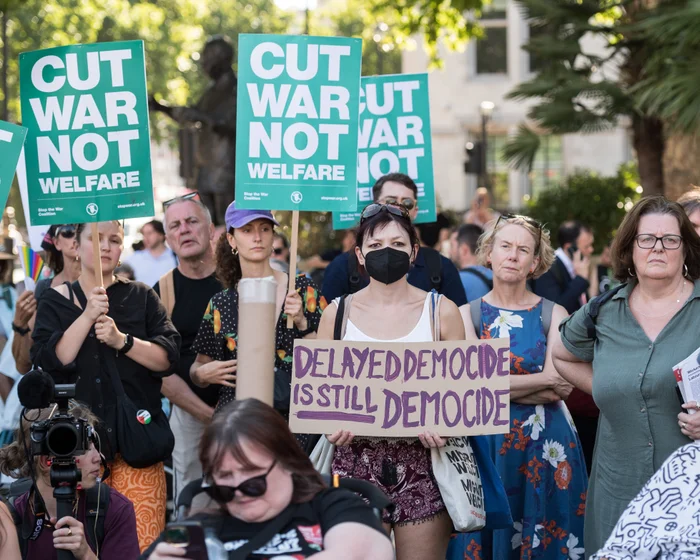
Chancellor John Healey has stepped back from imposing immediate curbs on the welfare budget during this parliament, resisting calls to enforce rigid reductions on social support spending. The move comes as independent economic analysts sounded dire warnings that his maiden budget risks triggering severe spending reductions in the years ahead due to an estimated twenty-eight billion pound shortfall in public finances. The decision marks a notable shift in tone from earlier Treasury signals that had suggested substantial welfare savings would be central to stabilizing state finances.
Leading fiscal experts expressed sharp skepticism over the government's approach, characterizing the fiscal package as a steady-as-she-goes measure that evaded necessary structural decisions. The Institute for Fiscal Studies cautioned that ministers have left themselves a formidable mountain to climb by repeatedly postponing difficult choices on major taxes and public expenditure. Analysts warned that dodging decisive action now makes sharp retrenchment almost inevitable in the near future.
According to the think tank, the projected funding gap stems largely from persistent inflationary pressures that continue to erode departmental spending allocations across Whitehall. The shortfall is further exacerbated by statutory commitments and ambitious targets to increase defense spending to three percent of national gross domestic product by the end of the decade. Together, these obligations leave public finances exposed to unexpected economic shocks.
Welfare expenditure has become one of the central pressure points facing the Treasury, driven by rising caseloads and escalating costs in disability and incapacity support. While critics have urged ministers to stem these mounting outlays, the chancellor indicated that any changes to welfare must be delivered in a measured and supportive manner rather than through blunt financial retrenchment. He reiterated his belief that spending must be brought under control through reform rather than punitive reductions.
Treasury officials subsequently clarified that the government has declined to lock in rigid timetables or arbitrary numerical targets for cutting overall social security expenditures. Spokespeople emphasized that while current spending trajectories present genuine long-term fiscal challenges, ministers intend to focus on employment activation and health support rather than sudden austerity. This approach aims to reduce dependency through broader economic participation over time.
The decision to insulate welfare without enacting compensating revenue measures places immense pressure on other parts of public administration. Economists warned that unprotected government departments, including justice, local government, and environmental services, could bear the brunt of future fiscal consolidation if revenue streams fail to expand. Without new funding settlements, many frontline public services may face another cycle of constrained operating budgets.
The budgetary dilemma highlights the narrow fiscal headroom available to ministers as economic growth remains subdued across key sectors. Without accelerated national productivity or politically sensitive broad-based tax hikes, elevated borrowing costs and debt interest obligations continue to constrain discretionary policymaking. This environment severely limits the government's capacity to fund new policy initiatives.
Political observers noted that the chancellor's hesitation reflects the complex balancing act between satisfying fiscal watchdogs and protecting vulnerable households from sudden income reductions. Opposition politicians and backbench lawmakers have argued that avoiding fundamental decisions merely defers unavoidable financial reckonings to subsequent legislative sessions. The strategy risks alienating both fiscal conservatives demanding discipline and social advocates seeking long-term funding certainty.
Attention is now shifting toward the upcoming comprehensive spending review, where the Treasury will be forced to reconcile these conflicting fiscal priorities in greater detail. Unless revised economic forecasts provide unexpected financial relief, ministers will face mounting pressure to choose between deeper departmental spending cuts or substantial tax rises to stabilize the national ledger. The coming fiscal review will serve as the ultimate test of the government's economic strategy.
Primary source: The Guardian Business. Newzly rewrites and structures source reporting for clarity; verify critical details at the original.