Heavy Congestion on I-95 Near Georgia-South Carolina Line Backs Up Traffic for Miles
Heavy traffic on Interstate 95 near the Georgia-South Carolina border created multi-mile backups and major travel delays, prompting transportation officials to monitor the vital East Coast transit corridor.
In this piece
Significant traffic congestion along Interstate 95 near the Georgia-South Carolina line backed up vehicles for miles, triggering major travel delays for…
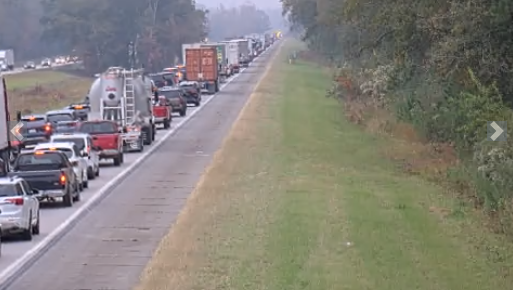
A surge of heavy traffic on Interstate 95 near the Georgia-South Carolina state line caused major congestion and backed up vehicles for miles, according to transportation officials and regional reporting from WJCL. The severe slowdown brought interstate travelers to a crawl as vehicles accumulated along the major north-south transit corridor.
Motorists traversing the interstate encountered extensive bumper-to-bumper conditions stretching well ahead of the border crossing. Department of transportation tracking systems and traffic monitoring services indicated substantial travel delays, with travel times climbing significantly during the height of the disruption. Highway signs warned oncoming drivers of congestion ahead as queues formed in both directions.
The border zone connecting coastal Georgia and the Lowcountry of South Carolina represents one of the most critical and heavily traveled highway choke points along the Atlantic seaboard. Serving as the primary arterial connection between the two states, the stretch handles tens of thousands of passenger cars, regional commuters, and commercial freight haulers every day.
Traffic authorities have frequently noted that this specific segment near the state line is particularly vulnerable to rapid chain-reaction slowdowns. With limited alternate bypasses across the Savannah River basin, any minor fluctuation in vehicle density, mechanical breakdown, or roadside incident can quickly paralyze movement across the state line.
The interstate corridor has also been the subject of intensive regional transportation attention and long-term infrastructure improvements. Highway departments in both Georgia and South Carolina have coordinated multi-year initiatives to expand lane capacity and modernize vital bridge infrastructure, projects designed to relieve chronic bottlenecks that have plagued the boundary region for decades.
For drivers caught in the latest snarl, the extended backup meant unexpected itinerary changes, heightened fuel consumption, and significant delays. Commercial trucking operations and supply chain logistics were similarly affected, as freight dispatchers scrambled to adjust delivery schedules for cargo transiting through the coastal Southeast.
Transportation departments routinely caution travelers that sudden interstate slowdowns elevate the hazard of secondary rear-end crashes, especially along fast-moving highway zones where speed limits fluctuate. Officials urged approaching motorists to reduce speeds early, maintain safe following distances, and remain vigilant for emergency vehicles or road service crews operating in the vicinity.
Finding viable detour routes around the Georgia-South Carolina interstate boundary presents a persistent challenge for regional travelers. Because local surface routes through neighboring wetland terrain offer fewer lanes and lower speed limits, alternate paths frequently become saturated as navigation apps redirect thousands of vehicles off the main thoroughfare.
Highway personnel and regional monitoring centers continued tracking flow rates to determine when normal travel speeds would resume across the corridor. While congestion typically begins to ease once peak travel volume subsides, transportation officials advised travelers to consult real-time traffic portals and local road advisories before embarking on trips through the state line area.
Primary source: Google News South Carolina. Newzly rewrites and structures source reporting for clarity; verify critical details at the original.