Heineken Warns UK Pubs That Weight-Loss Drugs Threaten Beer Sales
The world's second-largest brewer has warned British hospitality operators that appetite-suppressing medications like Wegovy and Ozempic could curb alcohol cravings and reduce pub pint sales across the country.
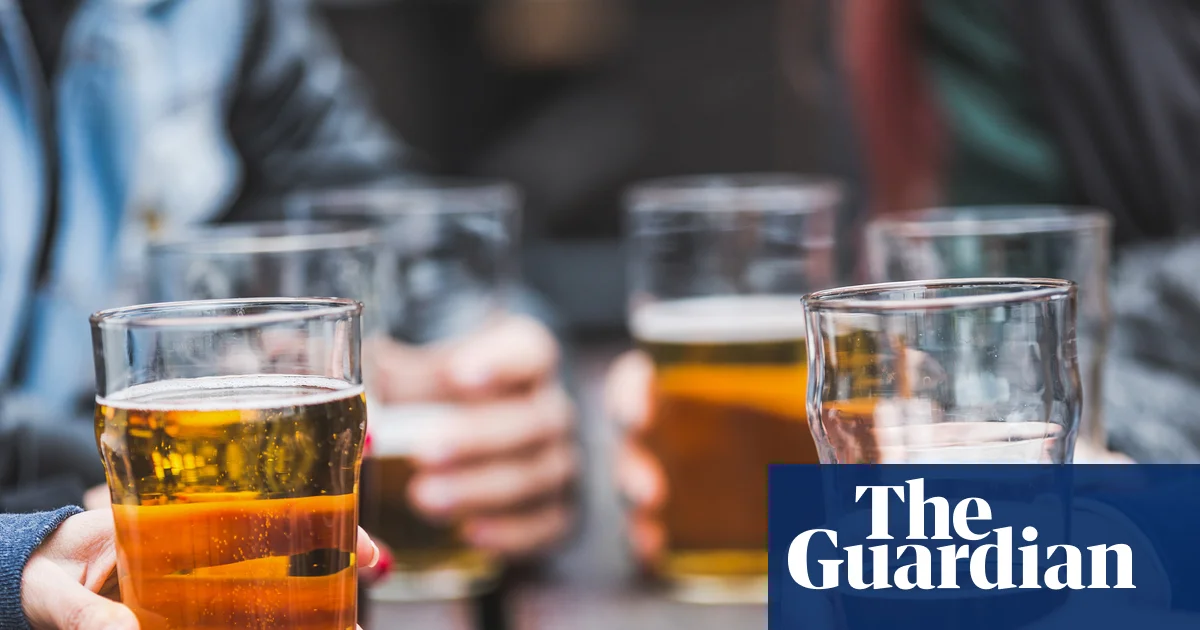
Heineken has warned British bars and pubs that the growing popularity of weight-loss drugs poses a direct threat to beer and cider sales. The Dutch brewing giant, the world's second-largest beer maker, distributed a strategic presentation to hospitality operators outlining how appetite-suppressing medications could reshape traditional drinking habits across the United Kingdom.
The brewer highlighted that GLP-1 receptor agonist medications, such as semaglutide sold under brand names Ozempic and Wegovy, can actively reduce a person's desire to consume alcohol. According to the company's presentation, the physiological effects of these treatments lead to accelerated feelings of fullness and fewer overall drink servings per visit.
The shift strikes directly at long-standing pub customs, particularly the multi-pint social session that forms the commercial backbone of Britain's on-trade beverage market. With patients on weight-loss treatments reporting both quicker satiety and dampened cravings, hospitality venues risk seeing a decline in total volume sales during evenings and weekend gatherings.
Heineken's warning reflects emerging clinical observations and scientific research documenting reduced alcohol cravings among GLP-1 users. Clinical studies published in medical literature, including The Lancet, have tracked how medications initially developed for type 2 diabetes and chronic obesity interact with neurological reward pathways associated with addictive behaviors and alcohol intake.
The brewery's alert is one of the most direct acknowledgments yet from a global alcohol producer regarding the commercial ripple effects of weight-loss injections. Financial analysts and consumer market researchers have increasingly monitored how the rapid uptake of GLP-1 drugs affects discretionary consumer spending, noting reduced purchases across snack foods, sugary drinks, and alcoholic beverages.
To help publicans mitigate potential declines in customer spend, Heineken urged venues to adapt their commercial strategies rather than rely solely on high-volume alcohol consumption. The brewer recommended emphasizing smaller pour sizes, including half-pints, to accommodate guests who feel full more quickly but still wish to participate in social outings.
The presentation also advised operators to expand their portfolios of non-alcoholic and low-alcohol beverages. As consumers increasingly moderate their alcohol intake, premium zero-proof beers and specialty mocktails offer establishments a way to preserve customer ticket sizes without depending on traditional beer volumes.
In addition to beverage adjustments, the brewer suggested shifting focus toward food pairings and smaller plate menus. Encouraging patrons to order lighter bites alongside smaller servings could help venues sustain overall venue revenues even if draft beer taps pour fewer pints per table.
Industry observers view the impact of GLP-1 medications as an acceleration of an existing cultural transition toward health, wellness, and moderation across Western markets. Younger demographics in particular were already drinking less alcohol than prior generations, a trend that weight-loss drugs are now reinforcing across broader age brackets.
As access to GLP-1 treatments expands through healthcare systems and private prescriptions, brewers and pub operators will closely monitor sales data heading into key trading periods. The sector's long-term resilience will likely hinge on whether venues can evolve from volume-driven taprooms into experiential gathering spaces that cater to a more health-conscious clientele.
Primary source: The Guardian Business. Newzly rewrites and structures source reporting for clarity; verify critical details at the original.