world·Uttar Pradesh·Pratapgarh District
Hindus Should Learn Unity From Islam, Says UP MLA Raja Bhaiya
Uttar Pradesh legislator Kunwar Raghuraj Pratap Singh said Hindus should take a cue from Islam on religious solidarity, arguing that partisan politics should never overshadow shared cultural and faith identities.
In this piece
Uttar Pradesh lawmaker Kunwar Raghuraj Pratap Singh, popularly known as Raja Bhaiya, has remarked that Hindus should learn unity from Islam. Speaking to…
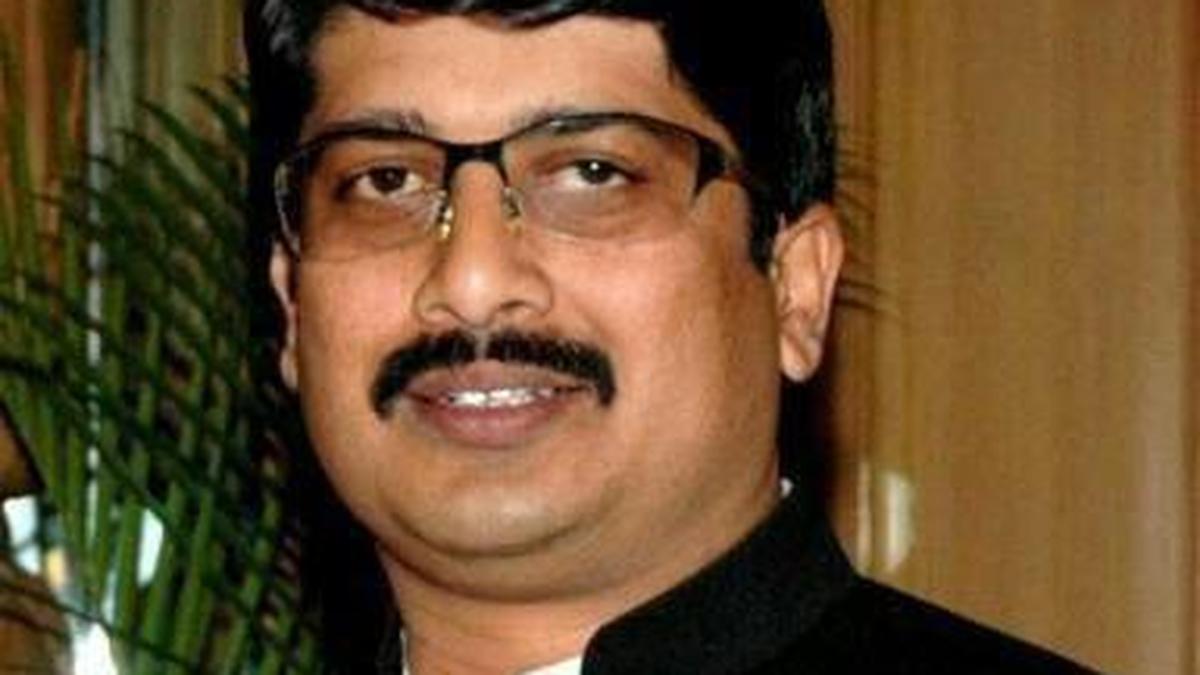
Uttar Pradesh legislator Kunwar Raghuraj Pratap Singh, popularly known as Raja Bhaiya, stated that Hindus should learn unity from Islam, urging members of the community to place religious solidarity above narrow partisan affiliations. Speaking to journalists in Pratapgarh, the chief of the Jansatta Dal (Loktantrik) party emphasized that political divisions should not fracture collective religious identity.
Responding to questions about whether any unifying philosophy exists for the broader Hindu community, the long-serving lawmaker drew an explicit comparison to the Muslim community. He pointed out that while Muslims may align with varying political organizations, their overarching commitment to their faith remains steadfast. According to Singh, that core solidarity ensures their collective interests are safeguarded across political cycles.
In contrast, Singh expressed concern that Hindus frequently divide themselves along partisan boundaries, weakening their communal strength. He asserted that when issues concerning Hindutva, Dharma, and the Sanatan tradition arise, individuals must remember that their identity as Hindus comes first. He cautioned that political allegiances are temporary, while cultural and religious heritage endures across generations.
The legislator also directed sharp criticism toward mainstream political parties, accusing them of actively discouraging cohesion among Hindus. Barring a few exceptions, Singh claimed that established political outfits prefer maintaining fractured voting blocs to serve electoral calculations. He argued that sustained division prevents the community from presenting a united front on key societal matters.
Singh, who represents the Kunda assembly constituency in Pratapgarh district, has been an influential figure in Uttar Pradesh politics for three decades. Having won consecutive assembly terms as an independent before floating the Jansatta Dal (Loktantrik), his public interventions carry notable weight across regional political circles. Over the years, he has navigated alliances across party lines while cultivating a distinct local base.
His latest observations were made during conversations surrounding upcoming local religious gatherings and cultural initiatives in Kunda. Observers note that his emphasis on Sanatan heritage aligns with a broader resurgence of faith-based discourse across northern India. At the same time, his willingness to cite Islam as an example of social cohesion presents an uncommon rhetorical angle in regional politics.
The remarks have drawn attention because they touch on sensitive dynamics regarding voter mobilization and religious identity in India's most populous state. By challenging voters to look past party loyalties, Singh's commentary questions the foundational strategies of regional and national parties that rely on caste and community segmentation. Analysts view his statements as an attempt to assert ideological autonomy amid evolving political equations.
As political outfits in Uttar Pradesh prepare for future electoral contests, Singh's positioning signals a conscious effort to stay relevant across ideological divides. The Jansatta Dal (Loktantrik) continues to hold strategic relevance in regional arithmetic, particularly in central and eastern districts. Whether his appeal for cross-party solidarity resonates with voters will depend on how competing political platforms address cultural and economic concerns in the months ahead.
For now, political observers in Lucknow are closely monitoring how various regional factions respond to the veteran legislator's remarks. While some commentators view his statement as an appeal for cultural consolidation, others consider it a deliberate repositioning intended to gauge public sentiment. In either case, the remarks have sparked renewed debate over the intersection of faith, identity, and electoral strategy in Uttar Pradesh.
Primary source: Google News Uttar Pradesh. Newzly rewrites and structures source reporting for clarity; verify critical details at the original.