culture·Massachusetts·Suffolk County
Melania Documentary Series Faces Critical Scorn Following Disastrous Theatrical Run
A high-budget documentary focused on First Lady Melania Trump has transitioned into a two-part television series, facing harsh reviews after a costly theatrical rollout drew virtually empty theaters.
In this piece
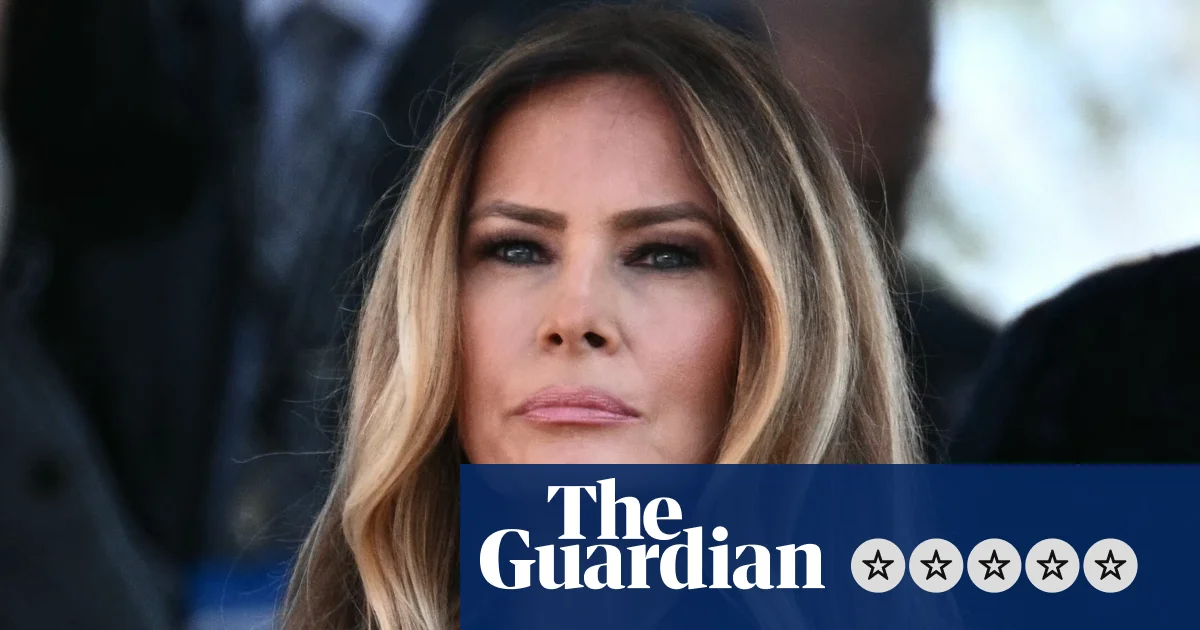
Amazon's high-profile documentary on First Lady Melania Trump has been re-released as a two-part television series following a commercial failure in theaters.…
A two-part television documentary centered on First Lady Melania Trump has debuted as a streaming series, drawing scathing critical reception for its promotional tone and lack of substantive entertainment value. The new television presentation follows Amazon's extensive investment in documenting her life, transitioning the material from a troubled theatrical effort into a multi-part broadcast format. Reviewers have characterized the release as little more than a thinly veiled advertisement that struggles to engage viewers.
Critical response to the newly released television series has been largely unsparing, with observers describing the production as lifeless and devoid of compelling narrative momentum. Rather than providing genuine insight into the first lady's public or private sphere, the documentary has been widely panned as an exercise in surface-level portraiture. Commentators noted that labeling the production as insubstantial would understate just how hollow the viewing experience feels.
The television series serves as the latest iteration of a larger project initiated earlier this year, when Amazon committed substantial financial resources to bring Melania Trump's story to the screen. The tech and entertainment giant reportedly spent 75 million dollars, or approximately 57 million pounds, to produce and market a feature-length documentary for theatrical release. That enormous expenditure positioned the film as a major commercial priority despite widespread skepticism surrounding its creative rationale.
Questions have persisted regarding why Amazon chose to allocate such a significant sum toward the project in the first place. Public analysis has suggested two primary explanations, pointing either to an editorial belief that the first lady represented a compelling biographical figure or to broader corporate interests. Speculation has highlighted potential attempts to curry favor with the president ahead of a high-stakes antitrust trial that poses significant risks to the company's business operations.
Despite the multimillion-dollar promotional push, the theatrical release failed to attract a meaningful commercial audience in cinemas. Movie theaters reportedly sat virtually empty during screenings, with audiences largely limited to film journalists assigned to cover the title. The theatrical run became an immediate point of discussion across entertainment reporting due to the striking contrast between its massive marketing budget and near-total viewer indifference.
The lack of organic ticket sales was further underscored by unusual reports concerning efforts to populate otherwise deserted screenings. Accounts surfaced of advertisements posted on Craigslist offering prospective attendees 50 dollars simply to sit through the documentary in theaters, including notable reports from Boston. Such unconventional incentives reflected the profound difficulty distributors faced in generating genuine public interest during its initial run.
The transformation of the theatrical feature into a two-part television series illustrates an effort to recoup visibility, if not financial return, from an expensive institutional investment. By repackaging the footage for at-home streaming subscribers, the platform aims to reach digital audiences who entirely bypassed the theatrical run. However, the move also exposes the underlying creative shortcomings to a broader scrutiny that has only intensified negative critical appraisals.
The project highlights the delicate intersection of high-budget streaming commissions, political portraiture, and corporate positioning in modern media. When major technology corporations produce flattering profiles of politically connected figures amid ongoing regulatory challenges, the resulting work inevitably faces intense scrutiny over its editorial independence. In this case, the resulting product has struggled to transcend accusations that it functions primarily as political public relations rather than documentary art.
As the two-part series enters the streaming ecosystem, its reception continues to be framed by its rocky theatrical predecessor and unfavorable critical marks. Whether the televised format can capture an audience remains doubtful given the persistent characterization of the material as monotonous and uninspired. Ultimately, the project stands as a cautionary example of how substantial budgets and political prominence do not necessarily translate into compelling television.
Primary source: The Guardian Culture. Newzly rewrites and structures source reporting for clarity; verify critical details at the original.