How Texas’ Blue Takeover Is Poised to Reshape Governance and Daily Life for Texans
Following historic Democratic gains across executive offices and the state House, Texas is bracing for immediate shifts in administrative oversight, public education policy, and courtroom battles when new leadership takes office.
In this piece
Democratic victories across key Texas statewide offices and the state House are set to alter the state’s governance dynamics starting in January. While…
A dramatic realignment in Texas state government is poised to reshape day-to-day governance for millions of residents following sweeping Democratic victories in the recent elections. With Democrats securing the governor’s office, key executive positions, and a majority in the Texas House of Representatives, the state faces an unprecedented transition after decades of unified Republican control. The impending changes are set to take hold as newly elected officials prepare to assume their posts in Austin.
The most immediate impacts will likely emerge across the state’s expansive executive apparatus, where incoming Democratic officials will oversee major agencies. Newly elected statewide executives, including the governor and attorney general, will wield direct authority over administrative priorities, regulatory enforcement, and departmental appointments. Agency directives that had long reflected conservative policy platforms are expected to see prompt recalibration under the new administration.
A significant shift is anticipated within the Texas attorney general’s office, which has spent years spearheading high-profile legal challenges against federal regulations and defending strict state mandates. Under incoming leadership, state attorneys may move to settle or dismiss several ongoing lawsuits, particularly those targeting higher education institutions and municipal regulations. Legal analysts note that changing the state's courtroom posture can quickly alter how existing statutes are applied on the ground.
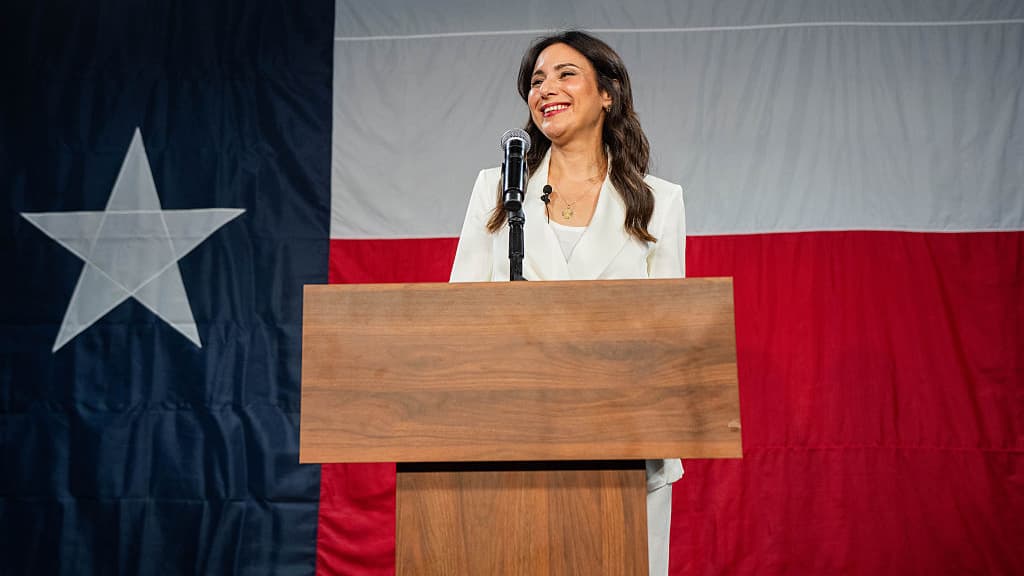
Public education stands at the forefront of the administration's planned policy adjustments, with incoming leaders signaling swift intervention at the Texas Education Agency. Governor-elect Gina Hinojosa has indicated plans to replace the state education commissioner and reconsider state takeovers of local school districts, including Fort Worth ISD. Such administrative measures would mark an immediate pivot from recent state-level interventions toward greater local district autonomy.
When lawmakers convene for the upcoming legislative session, the balance of power under the Capitol dome will reflect a newly divided legislature. Democrats hold a functional majority in the state House, but Republicans retain command of the Texas Senate and the lieutenant governor’s office. This split chamber structure is expected to create intense legislative friction, making bipartisan compromise essential for passing state budgets and statutory revisions.
The new political dynamic will also alter the trajectory of contentious social policy debates that have defined recent legislative sessions. Advocacy groups expect a halt to further statutory restrictions on civil liberties, LGBTQ+ protections, and healthcare access. While sweeping statutory repeals may face stiff resistance in the Republican-led Senate, the Democratic House majority can effectively block conservative proposals that previously sailed through both chambers.
Changes are also rippling through the state's judicial system, where Democratic candidates made substantial inroads on key appellate benches, including the Court of Criminal Appeals and the Texas Supreme Court. Although conservative majorities largely endure on the highest civil bench, the arrival of newly elected judges will alter jurisprudence on regulatory challenges, labor standards, and voting procedures. Over time, these judicial shifts could influence how lower courts interpret contested state statutes.
Beyond specific policy portfolios, political observers emphasize that the disruption of single-party dominance introduces an institutional check that Texas politics has lacked for a quarter-century. Every state department and commission will now operate under divided oversight, subjecting administrative decisions and spending to renewed legislative scrutiny. This split governance could slow the pace of policymaking, but it also compels state leaders to negotiate across party lines.
The true extent of this political transition will become visible as the incoming administration formally assumes control in January. While statutory overhauls will demand difficult compromises within a split legislature, executive orders and agency leadership appointments will begin redefining administrative life immediately. For Texas residents, the coming months will test whether divided governance produces prolonged political paralysis or a newly negotiated policy era.
Primary source: Google News Texas. Newzly rewrites and structures source reporting for clarity; verify critical details at the original.