world·Pennsylvania·District of Columbia
Hundreds of Thousands Without Power After Fierce Thanksgiving Storms Batter US
Severe storms battered both U.S. coasts over the Thanksgiving holiday, leaving hundreds of thousands of people without electricity, disrupting holiday travel, and triggering widespread emergency response efforts across several eastern states.
In this piece
A powerful storm system left hundreds of thousands without electricity across the eastern United States following Thanksgiving day disruptions. Heavy rain, high…
Hundreds of thousands of utility customers across the United States remained without electricity following intense Thanksgiving storms that swept across the country. The severe weather system knocked down trees, flooded coastal roads, and damaged power lines during one of the year's busiest holiday travel periods. Utility crews worked through hazardous conditions in an effort to restore power to affected communities.
The outages peaked at nearly one million homes and commercial businesses late Thursday evening before service was partially restored. Pennsylvania emerged as the hardest-hit state, with extensive blackouts reported throughout rural and suburban districts. Substantial disruptions were also recorded across neighboring states, including New Jersey, Maryland, and Virginia.
The storm system brought a combination of heavy downpours, coastal flooding, and destructive wind gusts to much of the Eastern Seaboard. In Washington, D.C., meteorologists recorded the wettest Thanksgiving in the city's history, causing tidal waters to breach runways at Reagan Washington National Airport. High tides and heavy rainfall also forced emergency declarations in flood-prone communities in New York and New Jersey.
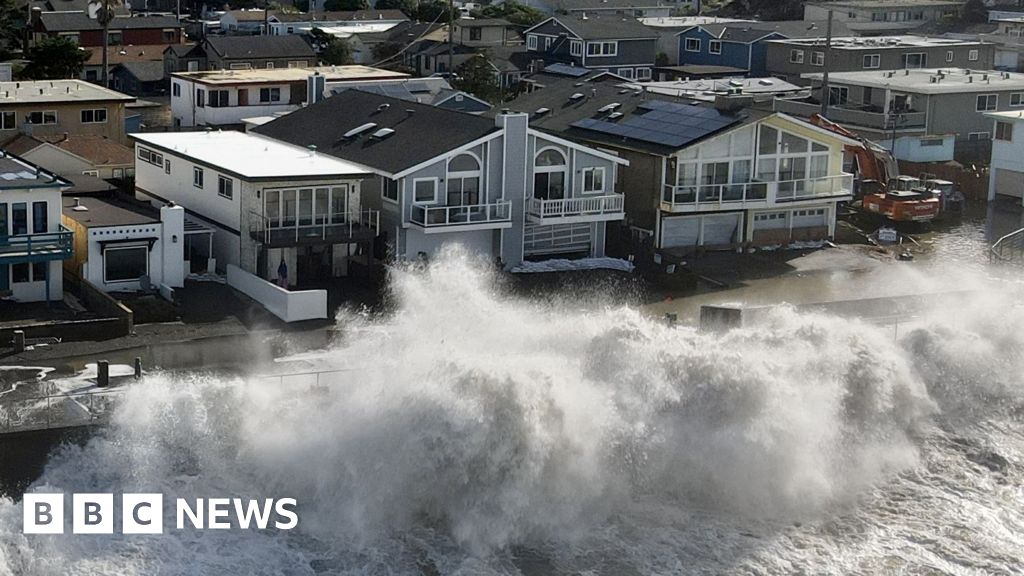
While the eastern states faced gale-force winds and coastal flooding, the West Coast endured a separate round of intense atmospheric activity. Communities along the Pacific shoreline experienced elevated tidal surges and high winds, compounding weather-related hazards nationwide over the holiday.
The harsh conditions severely disrupted air and highway transportation nationwide as millions of Americans attempted to celebrate the holiday. Major transit hubs reported thousands of delayed or cancelled flights stretching from Thursday into Friday. Drivers faced hazardous highway journeys, with local authorities reporting road closures, fallen debris, and bridge shutdowns in several states.
The prolonged loss of electrical power also placed significant strain on municipal infrastructure. In Maryland, utility disruptions prompted officials to ask nearly two million residents to conserve water for essential needs only, as pumping stations coped with intermittent electrical feeds. Emergency shelters opened in several municipalities to assist residents left without heat in dropping temperatures.
The timing of the storm amplified its logistical and economic impact, striking squarely during peak family travel and the kickoff to the critical holiday shopping weekend. Holiday traditions, including regional gatherings and community parades, faced widespread modifications or delays due to persistent rain and dangerous gusts. Retailers and small business owners in heavily affected corridors contended with dark storefronts during traditionally busy shopping hours.
Utility companies deployed mutual-aid crews and specialized equipment to clear fallen limbs and replace broken utility poles. Line workers faced lingering wind gusts and soggy soil, which increased the risk of falling branches and slowed repairs. Officials noted that reconnecting every localized pocket of customers would require meticulous inspections and substantial physical labor.
Weather conditions began stabilizing gradually heading into the weekend, though temperatures dropped significantly in the wake of the storm front. Forecasters warned that the return of colder air could worsen conditions for residents who remain without electricity or residential heating. Emergency management agencies urged the public to exercise caution around downed electrical lines and avoid running portable generators indoors.
State officials and utility representatives cautioned that while restoration numbers would climb steadily, complete power restoration in the hardest-hit pockets could extend over several days. Authorities continue to monitor ongoing recovery operations as communities work to clear debris and assess the full scope of property damage.
Primary source: Google News Pennsylvania. Newzly rewrites and structures source reporting for clarity; verify critical details at the original.