Huw Edwards says he sometimes regrets guilty plea, BBC reports
The BBC reports that former newsreader Huw Edwards says he sometimes regrets pleading guilty to making indecent images of children, and denies his Observer interview is an image-rehabilitation campaign.
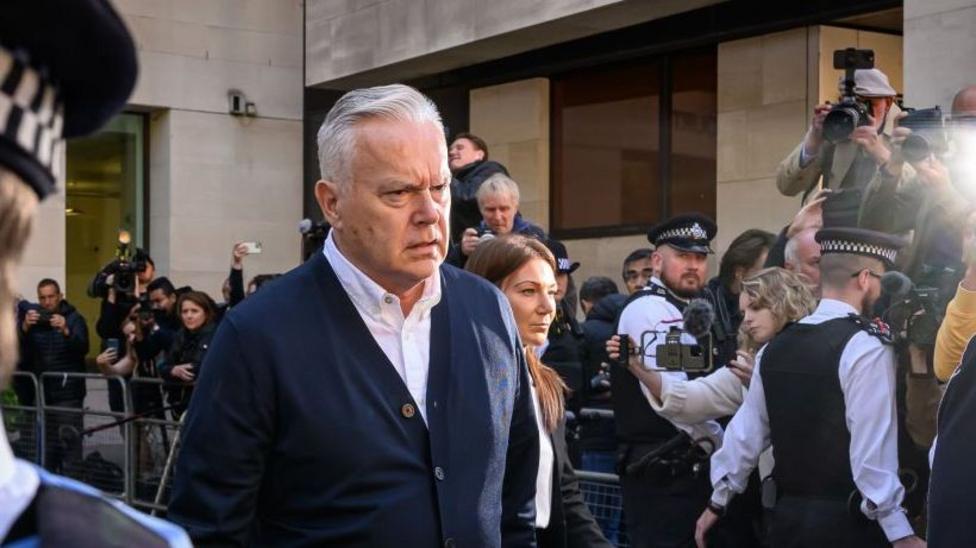
In this piece
BBC Entertainment & Arts says Huw Edwards has told the Observer he sometimes regrets pleading guilty to making indecent images of children. The former…
Huw Edwards, the disgraced former newsreader, has said he sometimes regrets pleading guilty to making indecent images of children, according to a BBC Entertainment & Arts report on an interview he gave to the Observer.
Edwards denies that the interview is part of a campaign to rehabilitate his image, the BBC account says. The report presents that denial alongside the remark about his guilty plea, and it does not describe the conversation as a formal legal move.
The BBC item, as circulated with the headline, is short. It identifies Edwards as a former newsreader, records the substance of the regret comment, and notes his rejection of the idea that he is trying to repair his public standing through the Observer interview. It does not, in that summary, reproduce a long transcript or a line-by-line exchange.
The subject is the criminal case stated in the headline: Edwards pleaded guilty to making indecent images of children. A guilty plea is an admission in court. Later public comment that he sometimes regrets that plea is a significant statement about how he now talks about the case, even when the report supplies no further legal detail.
The BBC summary does not say that Edwards is asking a court to undo the plea, that a hearing has been listed, or that prosecutors have replied. Those steps are not in the dispatch. The news, on the material available, is a report of an interview rather than news of a reopened prosecution.
The second claim is about motive. After a public disgrace, an interview can be read as an attempt to reshape reputation. Edwards, as reported by the BBC, says this conversation with the Observer is not that. The report records his denial. It does not independently test the claim.
The distinction matters because the two points point in different directions. A rehabilitation campaign would be an argument about image. Regret over a guilty plea touches how he speaks about responsibility for offences involving indecent images of children, the category named in the headline. The available report does not describe any newly disclosed images, victims, or charges.
What the BBC piece does not settle is tone and context. From the summary alone it is not possible to know which questions Edwards was asked, how he explained the regret, or whether he accepted the court's findings in the same breath. A fuller judgment depends on the Observer interview itself, which this BBC item points to but does not replace.
News organisations deciding how far to carry that interview will shape what audiences hear. Prominence, headlines, and what is left out all affect whether the remarks read as reflection, self-justification, or both. The summary now in circulation keeps the focus narrow: the regret remark and the denial of an image campaign.
There is a limit on what can be added around a thin wire. The role given in the BBC report is that of a former newsreader now described, in the BBC's own wording, as disgraced. Sentence length, dates, medical claims, and private-life detail are not in the text provided with this item and are not stated here as if they were.
No timetable for further comment is given. The BBC item, as summarized, does not include a statement from the Observer, from former colleagues, or from criminal-justice authorities responding to the interview. Any such responses would sit outside what this dispatch currently confirms.
For now the story rests on two attributed points. Edwards has told the Observer, as reported by the BBC, that he sometimes regrets pleading guilty to making indecent images of children. He denies that giving the interview is part of a campaign to rehabilitate his image. Anything beyond those points remains, on this report, unstated.
Primary source: BBC Entertainment & Arts. Newzly rewrites and structures source reporting for clarity; verify critical details at the original.