ICAR tuber institute draws a crop roadmap for Lakshadweep
The ICAR-Central Tuber Crops Research Institute has prepared a tuber roadmap for Lakshadweep, The Hindu reported, aiming research at food crops suited to the islands’ limited land.
In this piece
The Hindu reported that the ICAR-Central Tuber Crops Research Institute has created a tuber roadmap for Lakshadweep. The plan places tuber crops in the islands’…
The ICAR-Central Tuber Crops Research Institute has created a “tuber roadmap” for the Lakshadweep islands, The Hindu reported. The account, carried on Google News under a Lakshadweep heading, identifies the institute and the islands as the parties to the plan and uses the institute’s own phrasing of a roadmap.
The report does not spell out which crops, islands or agencies are named in the document, or when it was released. Those particulars were not available in the material used for this article, so the scope of the roadmap should be read as what The Hindu’s headline establishes: an institute-led plan for tuber crops in Lakshadweep, not a fully itemised programme.
The institute sits under the Indian Council of Agricultural Research, the national network for farm science. Its name and mandate centre on tuber crops, plants grown for underground storage organs that can serve as staple or supplementary food. A roadmap from that institute is, on its face, a research and planning document rather than a finished field programme.
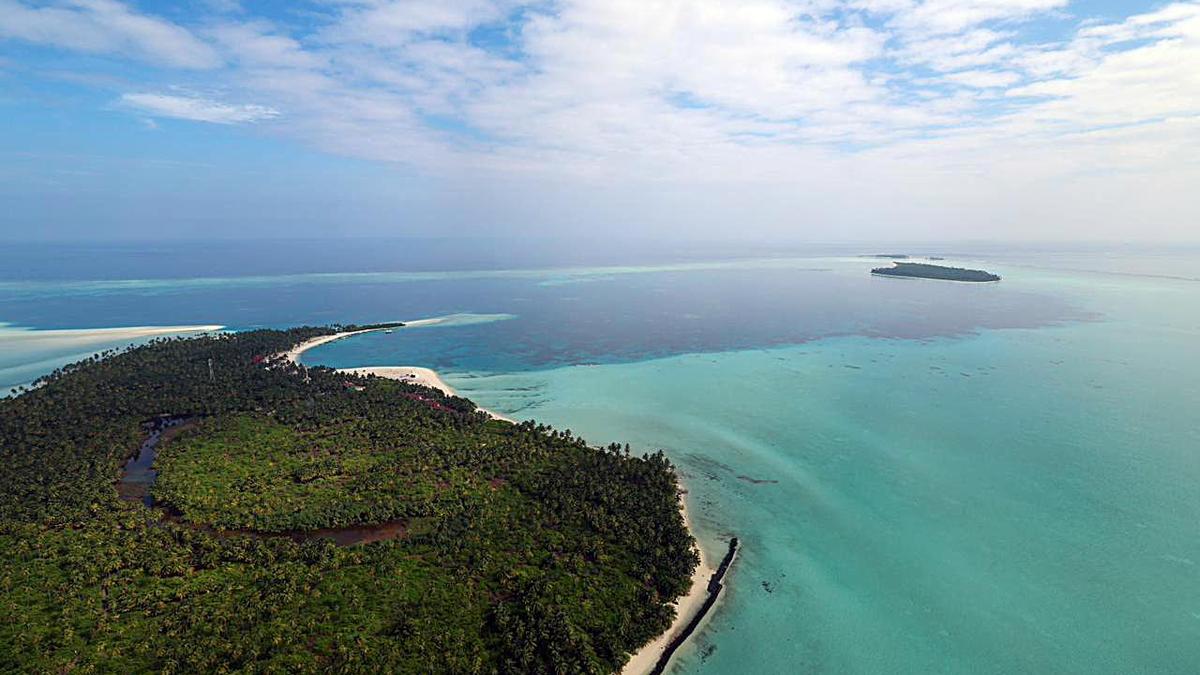
Lakshadweep is a Union Territory of small coral islands in the Arabian Sea. Cultivable land is scarce, fresh water is limited and communities have long depended on coconut and the sea as well as food brought in from the mainland. Any plan that looks at additional food crops has to sit inside those physical limits.
Tuber crops are often discussed in island and coastal farming because some types can yield on small plots and fit mixed gardens. Whether the Lakshadweep roadmap recommends particular species, varieties or planting seasons is not stated in the available report. Readers should not treat general traits of tuber crops as commitments the institute has made for these islands.
Why the plan matters is practical. Food supply on remote islands is sensitive to shipping, weather and storage. A research institute mapping tuber options is a way to test whether local production can widen what households grow, without assuming that a roadmap alone changes harvests. Adoption still depends on seed, soil, water, markets and the choices of island farmers and administrators.
The Hindu’s item does not quote officials, farmers or institute scientists, and it does not give budgets, acreage targets or pilot sites. In the absence of those figures, the public significance of the roadmap is that a national tuber institute has put Lakshadweep on its planning agenda.
For the islands, the next useful step is publication of the document itself: which crops are in view, which islands are covered and what support, if any, is proposed for growers. Until that text or a fuller official note is available, claims about yields, climate resilience or income should stay off the record.
For the institute, a territorial roadmap is a signal that its work is being aimed beyond its usual mainland research settings toward a small island territory with distinct constraints. How far that signal becomes trials, training or planting material is not described in the report.
What happens next is therefore a matter of follow-through rather than of the headline alone. Island agriculture departments, the institute and local growers would need to turn a roadmap into site-specific advice. The Hindu’s report establishes that the roadmap exists; it does not yet show how, or how soon, it will be carried out on the ground.
Primary source: Google News Lakshadweep. Newzly rewrites and structures source reporting for clarity; verify critical details at the original.