Illegal gold mining presses in on Roodepoort as prices climb
Dozens of zama zamas dug for gold beside an animal-welfare charity west of Johannesburg in late September, as The Guardian reports little sign the trade’s drivers are easing.
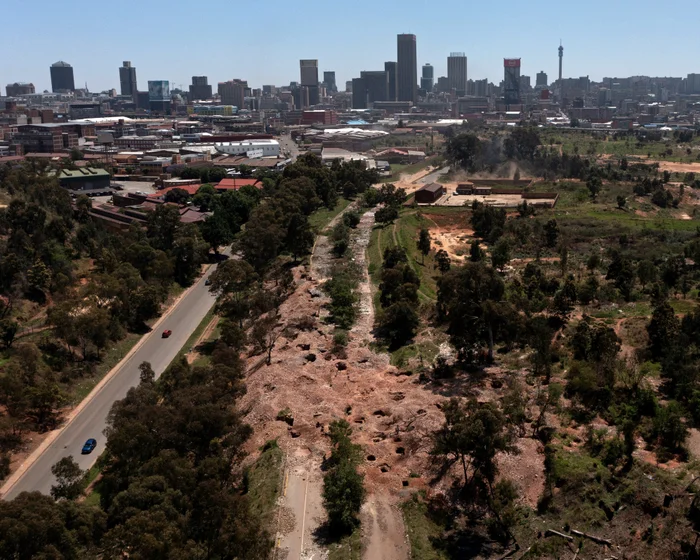
Dozens of illegal miners arrived in late September to dig for gold across a dirt road from a small animal-welfare charity in the townships around Roodepoort, west of Johannesburg, according to reporting by The Guardian.
The miners are known in South Africa as zama zamas, a Zulu-derived name that means roughly “to take a chance.” They moved onto ground marked by abandoned mine shafts, the same kind of workings that have long defined the area’s landscape.
Cora Bailey, who runs Claw, or Community Led Animal Welfare, has been encountering illegal miners since she began treating injured animals in those townships in 1991. The Guardian reports that activity in the disused shafts has risen as the price of gold has soared.
The paper’s account frames the problem as more than a single dig. Its reporting describes sinkholes, scarred land and a search for scapegoats, and it concludes there is no end in sight for the forces driving illegal mining. Police action, the report says, appears ineffective.
What the late-September arrival shows, on the paper’s telling, is how close the digging now sits to ordinary community work. Bailey’s charity treats injured animals; the miners were working across the dirt road from that site, not in a remote camp removed from daily life.
Roodepoort lies on the western side of Johannesburg, a city whose growth was built on gold. The Guardian’s report ties the present rush to shafts that were left behind, rather than to any newly announced mine. It does not, in the material available here, set out production figures, arrest totals or a named police operation.
The stakes are local and physical. Abandoned workings can leave ground unstable, and the paper presents sinkholes and scarred land as part of the cost borne around these townships. Who is blamed for that damage is contested in the reporting’s framing: illegal miners are the people in the shafts, and they are also, in the headline’s language, cast as scapegoats.
Bailey’s three decades of contact with miners suggest the trade did not begin with the latest price spike. The Guardian’s point is narrower and more immediate: as gold has become more valuable, digging in the abandoned shafts around her has intensified.
The paper does not offer a timetable for the diggers to leave, or a claim that enforcement has turned the tide. Its outlook is that the drivers of illegal mining remain in place and that policing, as observed in this account, has not stopped the work.
What happens next, on that reading, depends less on a single raid than on whether those drivers ease. Until they do, the report suggests, communities west of Johannesburg will keep living beside shafts where zama zamas are willing to take a chance.
Primary source: The Guardian World. Newzly rewrites and structures source reporting for clarity; verify critical details at the original.