Illegal gold mining presses in on Roodepoort as shafts see fresh activity
Dozens of illegal miners arrived in late September beside an animal-welfare charity west of Johannesburg, as work in abandoned shafts rose with the gold price. A Guardian report sees little sign the drivers are easing.
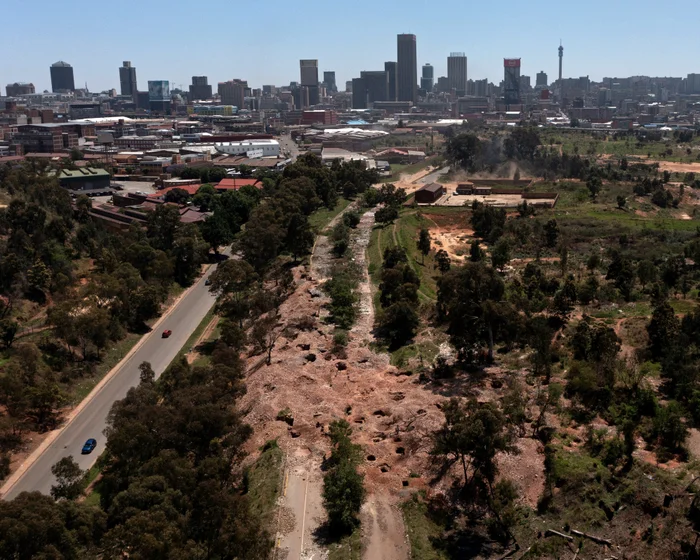
Dozens of illegal miners arrived in late September to dig for gold across a dirt road from a small animal-welfare charity in the townships around Roodepoort, west of Johannesburg. The Guardian reports that the diggers, known in South Africa as zama zamas, moved into ground already marked by abandoned mine shafts.
Cora Bailey, who runs Claw (Community Led Animal Welfare), has been encountering illegal miners since she began treating injured animals in those townships in 1991. The account ties the latest surge in shaft activity to a soaring gold price, which has drawn more people into workings left behind by formal mining.
Zama zama is the name widely used for illegal miners in South Africa. The Guardian glosses the Zulu phrase as meaning roughly “to take a chance,” a description that captures both the informal nature of the work and the risks taken underground and on scarred surface ground.
The published report frames the wider problem through sinkholes, damaged land and the search for scapegoats. Those themes are part of the story’s headline account. The excerpt available here does not detail particular collapses, named officials or individual accusations, so those elements stay at the level of the paper’s framing rather than as separately verified incidents.
What the reporting does state is blunt about the outlook. It says there is no end in sight for the drivers of illegal mining, and that police action appears ineffective. That assessment is the Guardian’s, not a claim of a measured enforcement tally.
The setting is local and long-running. Roodepoort lies west of Johannesburg, and the townships around it have carried the traces of old shafts for decades. Bailey’s charity sits on one side of a dirt road; in late September the digging was on the other, close enough that animal welfare work and informal gold recovery now share the same edge of the settlement.
The rise in activity is presented as tracking the gold price rather than as a single raid or a new discovery. Abandoned shafts that already mark the area have become busier as the metal’s value has climbed. The report does not give a price level, a production figure or a count of shafts in use beyond the arrival of dozens of miners at that site.
Why the pattern matters is visible at street level even without those numbers. Informal digging beside homes and a charity exposes people, animals and already disturbed ground to further hazard, while the paper’s headline points to sinkholes and scarred land as part of the cost. At the same time, the language of scapegoats suggests the public argument over who is blamed has not settled who actually sustains the trade.
The drivers themselves are left open in the available text. The Guardian’s judgment is that they are not fading and that policing, as currently applied, does not appear to be stopping the work. No timetable for a crackdown, court case or formal mine closure is set out in the material summarized here.
What comes next, on the paper’s own framing, is more of the same pressure around places like Roodepoort unless those drivers change. Bailey’s three decades of contact with illegal miners, and the late-September arrival across from Claw, are offered as evidence that the shafts remain active. Any fuller picture of sinkholes, land damage or who is held responsible rests with the Guardian’s complete report.
Primary source: The Guardian World. Newzly rewrites and structures source reporting for clarity; verify critical details at the original.