Illegal Gold Mining Surges in Johannesburg Amid Rising Bullion Prices
Skyrocketing gold prices are accelerating illegal mining across abandoned shafts in Johannesburg, scarring local landscapes and overwhelming community charities as law enforcement struggles to halt the dangerous trade.
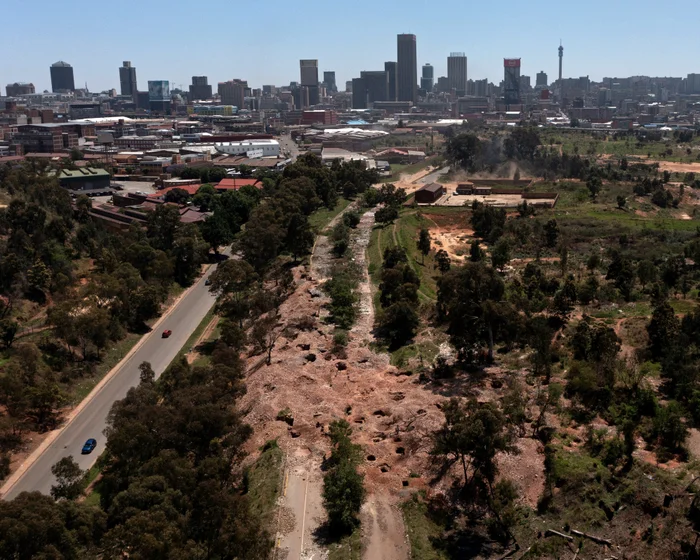
Informal and unregulated gold extraction across abandoned shafts in Johannesburg is escalating as soaring global gold prices drive dangerous underground operations. In communities west of the city, residents and grassroots organizations are confronting the compounding fallout of illegal digging that has left the local terrain heavily scarred. The persistent activity underscores how economic pressures and commodity booms continue to sustain South Africa's illicit mining sector despite ongoing municipal disruption.
The surge has become acutely visible in the townships around Roodepoort, where historic mining networks crisscross the outskirts of Johannesburg. Across this expanse, disused subterranean tunnels and long-deserted shafts have been reoccupied by diggers seeking unrecovered gold remnants. These makeshift operations regularly destabilize ground structures, threatening nearby roads, utilities, and township housing developments.
The informal miners are widely known in South Africa as zama zamas, a colloquial expression derived from the Zulu phrase meaning roughly to take a chance. Propelled by steep regional unemployment and the lucrative lure of high bullion valuations, thousands descend into unventilated and unmapped shafts without regulatory safeguards. Many operate under perilous subterranean conditions, risking cave-ins, toxic gas exposure, and armed turf disputes to secure small quantities of gold ore.
Community advocates who have worked in the area for decades report that the intensity of illicit prospecting has reached unprecedented levels in recent months. Cora Bailey, who has treated injured animals in the townships around Roodepoort since 1991 through her charity Community Led Animal Welfare, has long encountered the informal miners. However, as international gold prices have reached historic highs, the volume and audacity of shaft excavation near civilian areas has visibly accelerated.
The proximity of these clandestine activities prompted immediate safety concerns in late September when dozens of zama zamas arrived to excavate land across the dirt road from Bailey's charity facilities. The rapid appearance of large groups digging directly adjacent to community spaces demonstrated the brazen nature of contemporary illegal prospecting. Such sudden encampments place civic organizations and vulnerable township neighborhoods on the direct front line of illicit resource extraction.
The physical consequences of widespread artisanal digging pose long-term infrastructural hazards across Johannesburg's historic gold reef. Unregulated excavation destabilizes foundational rock layers, creating hazardous sinkholes, deep open trenches, and extensive surface erosion that complicate municipal governance. In addition to physical destruction, the abandoned workings present severe public health hazards, as uncontained chemical runoff and contaminated soil linger in heavily populated districts.
Official law enforcement operations and specialized policing crackdowns have so far appeared largely ineffective at dismantling the fundamental drivers of the trade. While police raids routinely confiscate makeshift processing equipment and apprehend individual diggers on the surface, the underlying operations quickly reconstitute. The sheer scale of disused mining infrastructure, combined with porous borders and deep poverty, renders perimeter security exceedingly difficult to sustain.
Policy observers and local observers note that law enforcement crackdowns often focus disproportionately on low-ranking laborers rather than the sophisticated syndicates financing the illicit gold trade. Without comprehensive strategies that address organized smuggling rings, mineral supply chains, and entrenched regional economic desperation, surface arrests offer only temporary disruptions. As long as gold prices remain buoyant on world markets, the economic incentive to exploit abandoned shafts will continue to overshadow the legal and physical risks.
Looking ahead, communities on the periphery of Johannesburg remain caught between structural economic hardship and the environmental degradation caused by subterranean prospecting. Resolving the crisis will likely require a concerted multi-agency effort, encompassing land rehabilitation, formal economic alternatives, and cross-border regulatory oversight. Until such systemic measures take root, residents and local charities in areas like Roodepoort are left to endure the growing sinkholes and persistent hazards of an unyielding illicit gold rush.
Primary source: The Guardian World. Newzly rewrites and structures source reporting for clarity; verify critical details at the original.