India Affirms Firm Stance on Indus Waters Treaty as Pakistani Minister Visits Delhi for SCO Forum
New Delhi reiterated that its position on the suspended Indus Waters Treaty remains unchanged, clarifying that a visiting Pakistani minister’s attendance at an SCO forum in the capital does not signal a thaw in bilateral relations.
In this piece
India confirmed that its stand on the Indus Waters Treaty remains firm despite the visit of Pakistan’s climate minister for an SCO event in New Delhi. The…
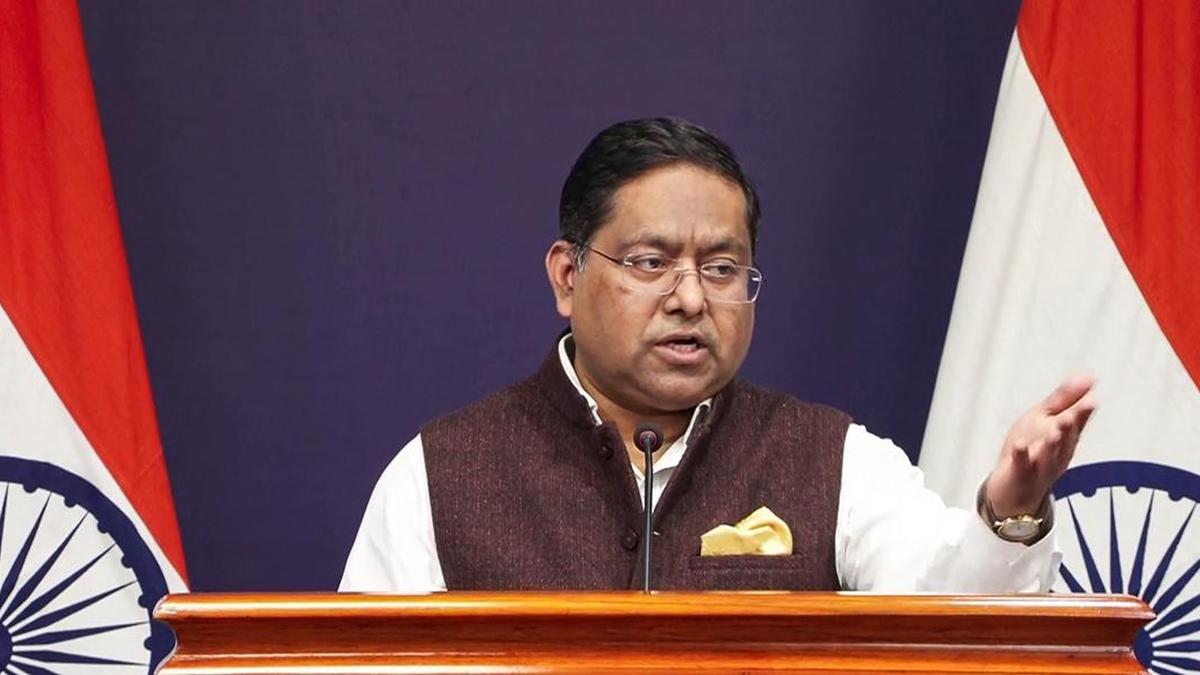
India has affirmed that its position on the Indus Waters Treaty remains completely unchanged, dismissing any suggestion of a policy shift as a senior Pakistani minister travels to New Delhi. External Affairs Ministry spokesperson Randhir Jaiswal emphasized that the central government's stand on the historic transboundary river agreement is clear and resolute. The remarks came in response to queries regarding the diplomatic significance of the high-level Pakistani presence in the national capital.
The statements coincided with the arrival of Pakistan’s Minister for Climate Change and Environmental Coordination, Musadik Malik, in New Delhi. Malik is leading the Pakistani delegation at the three-day Shanghai Cooperation Organisation Civilisational Dialogue Forum, which is being hosted at the historic Purana Qila. The gathering has brought together representatives from member nations across the regional bloc to discuss cultural and multilateral cooperation.
Indian officials made it clear that Malik’s presence in the capital is purely an outcome of India’s multilateral obligations under the Shanghai Cooperation Organisation framework. In accordance with established international protocol, host nations are required to extend invitations to all member states regardless of existing bilateral disputes. New Delhi stressed that welcoming delegations for regional summits does not translate into bilateral engagement or a shift in diplomatic posture.
The Indus Waters Treaty, originally signed in 1960 to govern the sharing of shared river systems between the two neighbors, was formally suspended by India in 2025. The drastic diplomatic step was initiated as one of several punitive measures enacted against Islamabad following a major security incident. Indian authorities have maintained that river cooperation cannot proceed under normal terms while cross-border security concerns persist.
The decision to suspend the landmark water-sharing pact was precipitated by the April 22 terror attack in Pahalgam, which resulted in the deaths of 26 people. The lethal assault severely escalated tensions across the border and prompted New Delhi to review key bilateral arrangements. India subsequently placed the water accord in abeyance, underscoring that sovereign security considerations take precedence over long-standing treaties.
Musadik Malik’s arrival in New Delhi has drawn considerable attention because high-level ministerial visits between the two nuclear-armed neighbors have become exceedingly rare in recent years. Strained ties and persistent disputes over terrorism have kept bilateral diplomatic exchanges to a minimum. Consequently, any cross-border travel by a cabinet minister inevitably generates intense public and diplomatic speculation.
The government’s public reiteration underscores New Delhi’s determination to maintain a strict separation between multilateral diplomacy and bilateral ties. Indian leadership has consistently maintained that talks and terror cannot coexist, refusing to normalize dialogue without verifiable steps against cross-border militancy. By clarifying its position immediately, the foreign ministry sought to counter any assumption that the SCO platform would facilitate a thaw.
The Indus basin remains one of the most sensitive geopolitical and environmental touchpoints in South Asia, governing crucial waters that sustain millions of people in both nations. Halting operations under the treaty marked one of the most consequential strategic decisions in decades regarding regional hydro-politics. Experts note that India's resolute stance reflects an ongoing recalibration of how water diplomacy is leveraged in broader security matters.
As the three-day SCO forum proceeds at Purana Qila, both governments are expected to confine their interactions strictly to scheduled multilateral sessions. Indian authorities have shown no inclination to schedule formal bilateral discussions on the sidelines of the cultural event. For the foreseeable future, the resumption of the Indus Waters Treaty remains firmly contingent on fundamental shifts in the regional security environment.
Primary source: The Hindu. Newzly rewrites and structures source reporting for clarity; verify critical details at the original.