India and China Hold Military Talks to Ease Tensions Along Arunachal Pradesh Frontier
Indian and Chinese military commanders have concluded a 10-day round of talks aimed at easing tensions and preventing patrol clashes along the Arunachal Pradesh frontier.
In this piece
Indian and Chinese military delegations concluded nearly ten days of high-level Corps Commander talks to prevent face-offs along the Line of Actual Control in…
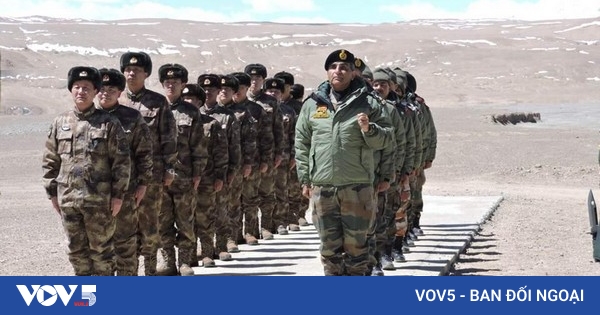
Military commanders from India and China have concluded an extensive second round of high-level talks focused on easing tensions along the Line of Actual Control in Arunachal Pradesh. The Corps Commander-level discussions spanned nearly ten days and concentrated on preventing localized standoffs across the eastern frontier. Both delegations sought to establish structured engagement rules as part of broader bilateral efforts to stabilize sensitive high-altitude sectors.
The Indian delegation was led by Lieutenant General Girish Kalia, General Officer Commanding of the Army's III Corps, accompanied by representatives from the Ministry of External Affairs. Chinese military commanders and diplomatic officials engaged in the marathon bilateral sessions at designated border meeting points. The presence of both military commanders and diplomatic envoys underscored a coordinated push to reinforce institutional peace mechanisms.
A primary focus of the dialogue was establishing clearer engagement protocols to govern frontline patrols operating along contested stretches of the frontier. With harsh winter conditions and heavy snowfall approaching the remote Himalayan ridgelines, both armies emphasized the need to avoid physical face-offs and patrol friction. Maintaining open lines of direct communication between field commanders was identified as a critical priority.
Negotiators reviewed procedures to address divergent perceptions of the Line of Actual Control that frequently trigger tactical friction during border surveillance. Under the proposed measures, patrol parties encountering one another will adhere to strict de-escalation protocols designed to prevent accidental physical clashes. Both sides agreed that timely notification and existing flag-meeting channels must be utilized to defuse emergent disputes before they escalate.
The latest engagement follows an earlier round of eastern-sector Corps Commander discussions held in September to address localized standoff points. That initial round was prompted by friction in remote areas such as the Taksing sector in Arunachal Pradesh's Upper Subansiri district, where patrol routes overlap. Addressing these specific operational flashpoints has become essential for creating a reliable framework of mutual restraint.
The dialogue in the eastern sector unfolds amid broader bilateral efforts between New Delhi and Beijing to normalize relations following prolonged military standoffs across the northern frontier. While significant attention has historically centered on disengagement in eastern Ladakh, security planners have increasingly prioritized stabilizing the eastern border to prevent new friction zones. Maintaining peace along the entirety of the undemarcated boundary remains a core prerequisite for steadying overall diplomatic ties.
The frontier in Arunachal Pradesh presents unique operational complexities due to dense mountainous terrain, unpredictable weather, and historical territorial claims. In past years, ambiguities in boundary alignment have led to sudden confrontations between scouting parties in forward mountain passes. By codifying patrol behavior and strengthening localized verification measures, the two nations hope to lower the risk of inadvertent escalation in these vulnerable sectors.
Moving forward, both armies are expected to implement the agreed-upon deconfliction guidelines through regular hotline exchanges and scheduled border personnel meetings. Frontline units will monitor compliance closely as winter operations set in across the remote Himalayan outposts. While long-term boundary delineation remains a complex diplomatic goal, sustaining direct military dialogue provides immediate safeguards against tactical miscalculations on the ground.
Primary source: Google News Arunachal Pradesh. Newzly rewrites and structures source reporting for clarity; verify critical details at the original.