India and China push back against Trump tariff proposals
India and China are resisting Donald Trump’s tariff proposals, according to an Economic Times headline, though the supplied material does not detail their responses or the measures under consideration.
In this piece
An Economic Times headline describes India and China as pushing back against Donald Trump’s tariff proposals. The supplied material contains no article text,…
India and China are pushing back against Donald Trump’s tariff proposals, according to a headline published by the Economic Times. The supplied material does not include the article’s text, so the specific proposals and the responses attributed to the two countries cannot be established from the available source.
The headline characterizes both countries as unwilling to accept the tariff moves without resistance. It does not specify whether that resistance involves diplomatic objections, negotiations, proposed countermeasures or actions already taken, distinctions that are essential to understanding the dispute’s immediate significance.
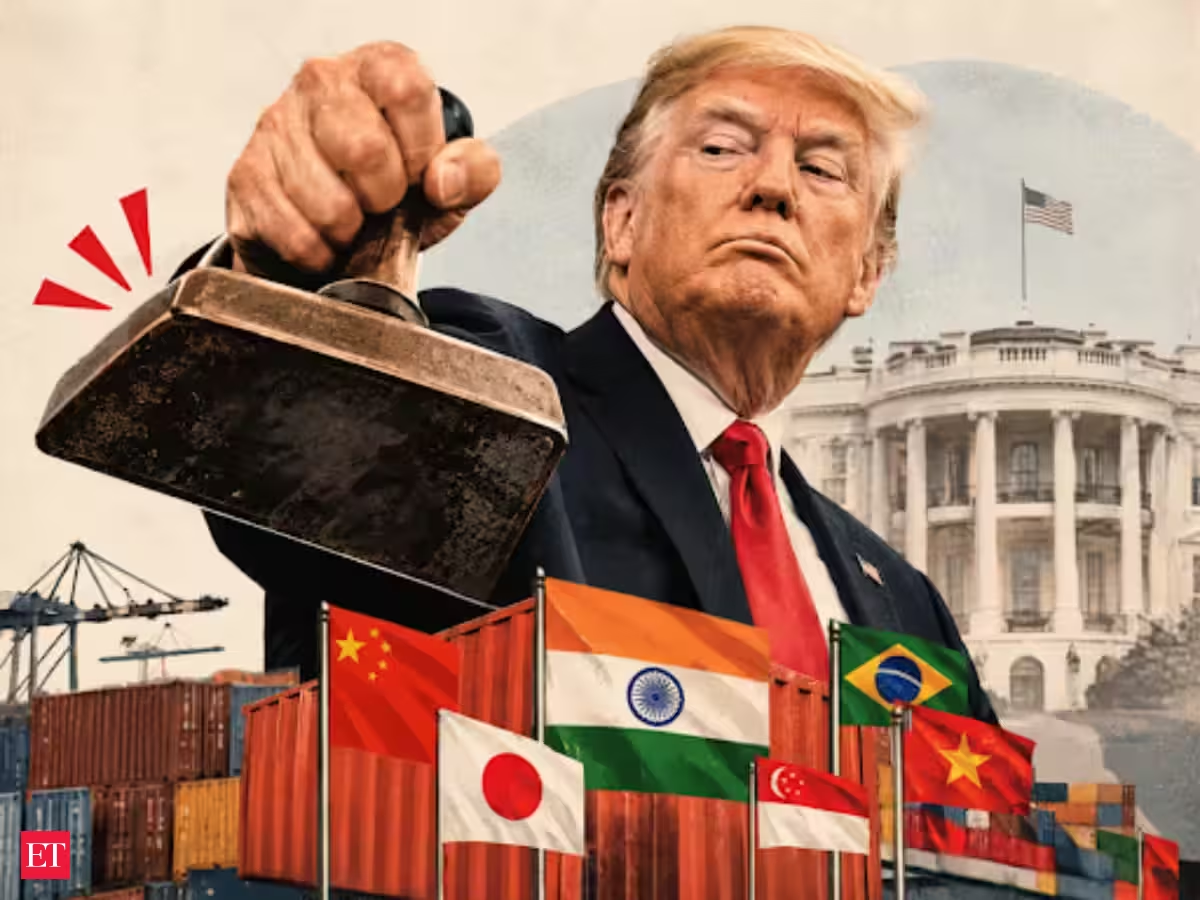
The linked article’s address refers to proposed tariffs and reactions involving India, China, Japan, Singapore, Vietnam and Brazil. However, the address alone does not establish what any of those countries said or did, or whether they face the same proposed measures. No country-by-country account accompanies the supplied headline.
A central unresolved question is the status of the tariffs themselves. The available material does not establish whether Trump has floated an idea, announced a formal policy or set duties on a path toward implementation. Describing a proposal as an operating trade restriction would therefore go beyond what the source supports.
The scope of any duties is also unclear. There are no verified tariff rates, product categories, exemptions or effective dates in the supplied material, preventing a reliable assessment of which trade flows might be affected. It would likewise be premature to identify particular industries or companies as facing new costs.
Tariffs generally impose charges on imported goods, making their design important to businesses that buy or sell across borders. Their practical effects depend on details such as coverage, timing and available alternatives. Those considerations explain why the missing policy terms matter, but they do not establish the impact of these particular proposals.
The form of India’s and China’s responses would also shape the next stage of the dispute. An objection to a proposal is not the same as a retaliatory duty, and a willingness to negotiate does not itself amount to a trade agreement. The headline provides no basis for choosing among those possibilities.
For readers following the economic implications, the available account supports a narrow conclusion: the Economic Times presents India and China as resisting Trump’s tariff moves. It does not support claims about market reactions, changes in trade volumes, consumer prices or the outcome of any negotiations.
A fuller assessment requires the underlying report and the policy announcements or official responses it describes. Until those details are available, the timing, scale and consequences of the proposed measures remain unresolved. The next meaningful developments would be clarification of the tariff terms and confirmation of how the countries concerned intend to respond.
Primary source: Economic Times. Newzly rewrites and structures source reporting for clarity; verify critical details at the original.