Trump and NATO Chief Caution Russia as Strikes on Ukraine's Energy Grid Intensify
Donald Trump and NATO Secretary General Mark Rutte have cautioned Russia against escalating the conflict in Ukraine, calling for an urgent peaceful resolution as attacks on energy facilities mount.
In this piece
Donald Trump and NATO Secretary General Mark Rutte have urged Russia to avoid actions that could expand the war in Ukraine amid escalating strikes on energy…
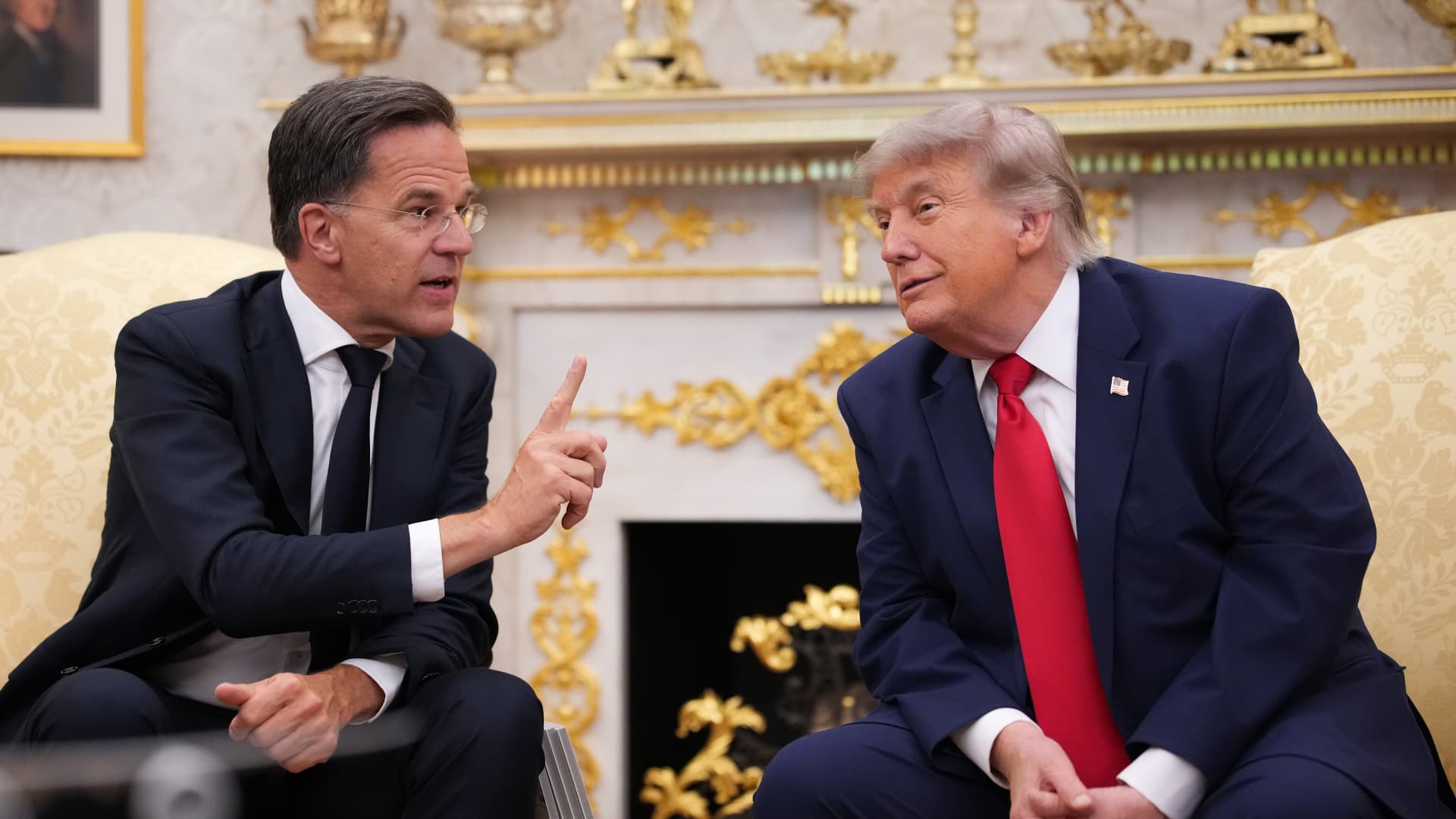
Donald Trump and NATO Secretary General Mark Rutte have issued a joint warning to Russia, cautioning Moscow against any further escalation as strikes targeting Ukraine's energy infrastructure continue to intensify. Meeting to address the worsening security environment across Eastern Europe, the two leaders stressed that measures escalating the conflict threaten regional stability and called for immediate steps toward a diplomatic settlement.
According to reports on the high-level exchanges, Trump and Rutte specifically cautioned Russia to avoid actions that could broaden the geographic scope or intensity of the ongoing war. Both officials highlighted the growing risks associated with the targeted bombardment of critical power networks, underscoring the urgency of reaching a rapid and sustainable peaceful resolution to the conflict.
The warnings come amid a sharp surge in systematic aerial strikes against Ukraine's power plants, electrical substations, and essential utilities. These strikes on civilian infrastructure have repeatedly disrupted basic energy supplies across multiple Ukrainian regions, generating severe civilian hardships, straining emergency repair networks, and heightening alarm among Western allies about the humanitarian toll as seasonal energy demands rise.
Donald Trump has consistently placed an emphasis on accelerating negotiations to bring the protracted war between Russia and Ukraine to a swift end. Throughout his political engagements and public remarks, Trump has advocated for active engagement among key stakeholders, asserting that protracted warfare poses substantial international economic risks and destabilizes broader global security architectures.
For Mark Rutte, who assumed leadership of the North Atlantic Treaty Organization, aligning allied deterrence with diplomatic maneuvering represents a crucial balancing act. The alliance chief has repeatedly emphasized collective defense, alliance cohesion, and the strategic imperative of deterring unilateral territorial aggression while navigating varying perspectives among member states regarding how best to facilitate peace talks.
The coordinated stance between the U.S. leadership and NATO's top civilian official signals an effort to present a cohesive transatlantic message directly to the Kremlin. Despite previous debates regarding defense spending commitments and the nature of transatlantic burden-sharing, the unified call against widening the war demonstrates shared concern over the systemic spillover effects of Russia's military campaign.
Targeting energy grids has evolved into a central strategic component of the conflict, aimed at degrading logistical networks, demoralizing civilian populations, and increasing the economic strain on Ukraine and its European partners. Allied defense analysts note that continued strikes on power grids test the resilience of international aid mechanisms and amplify the difficulty of staging future ceasefire talks.
The cautionary language directed at Russia underscores deep anxieties among Western leaders regarding unintended military miscalculations or intentional expansions of the conflict zone. By urging Moscow to halt destabilizing maneuvers, Western officials seek to prevent cross-border spillover, protect neighboring alliance airspace, and prevent the war from engulfing adjacent nations along NATO's eastern frontier.
Moving forward, international observers will closely monitor whether the diplomatic pressure from Washington and Brussels leads to any operational pause or restraint in Moscow's targeting of power infrastructure. The prospect of actual negotiations remains uncertain, depending on whether the warring parties can find common ground regarding security guarantees, territorial realities, and preconditions for formal talks.
As diplomatic channels remain engaged, both Washington and NATO capitals are expected to continue assessing defensive support and monitoring Russian strategic movements. For now, the push from Trump and Rutte reflects an urgent shared attempt to establish diplomatic parameters and discourage further military escalation before winter conditions and utility shortages exacerbate the humanitarian crisis on the ground.
Primary source: CNBC Top News. Newzly rewrites and structures source reporting for clarity; verify critical details at the original.