India, China Hold Second Corps Commander Talks on Arunachal Pradesh Frontier
India and China have held a second round of Corps Commander-level talks in Arunachal Pradesh, expanding high-level military dialogue to the eastern sector to defuse frontier friction ahead of winter.
In this piece
India and China concluded a second round of Corps Commander talks focused on the Line of Actual Control in Arunachal Pradesh. Led by 3 Corps Commander Lt. Gen.…
India and China have concluded a second round of Corps Commander-level military dialogue focused on the Line of Actual Control in Arunachal Pradesh, marking an important institutional step in managing frontier stability in the eastern sector. The high-level discussions aim to establish clear ground engagement protocols and prevent localized patrolling encounters from escalating into wider confrontation. Officials familiar with the development indicate that maintaining steady communication at the senior operational level remains vital for peace along the sensitive mountainous frontier.
The Indian delegation was led by Lieutenant General Girish Kalia, General Officer Commanding of the Indian Army's 3 Corps, popularly known as the Spear Corps. Headquartered at Rangapahar in Nagaland, the formation oversees critical operational zones across the northeastern border. Representatives from the Ministry of External Affairs also joined the Indian team, underscoring a synchronized military and diplomatic approach to the negotiations.
For several years following the deadly Galwan Valley clashes in 2020, the Corps Commander-level dialogue mechanism was confined almost entirely to eastern Ladakh in the western sector. The institutional expansion of these bilateral talks to Arunachal Pradesh signals a strategic recognition that border stability requires comprehensive oversight across all frontier regions. By formalizing this channel in the east, both armies are establishing a structured framework to address theater-specific challenges.
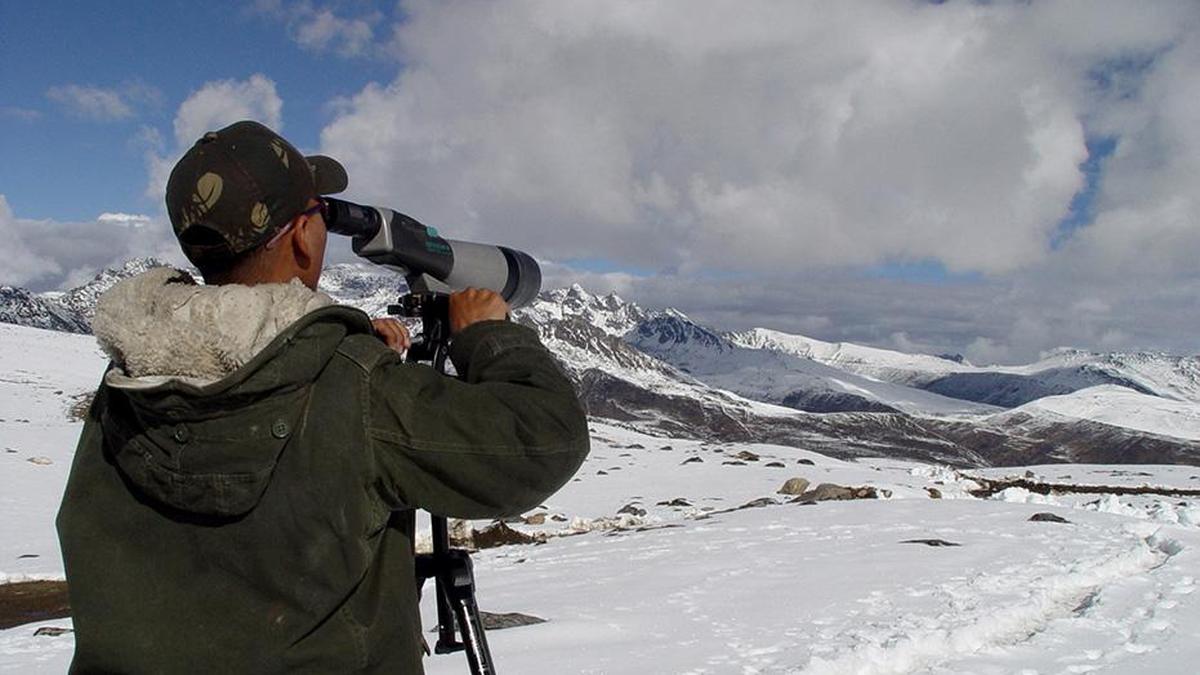
The Himalayan terrain along Arunachal Pradesh poses unique operational difficulties, characterized by dense subtropical jungles, steep ridgelines, and overlapping perceptions of the Line of Actual Control. In forward areas such as the Taksing sector in Upper Subansiri and adjacent zones, routine patrolling by both sides has occasionally led to direct physical face-offs. Clear protocols agreed at the Corps Commander level are intended to give patrol leaders unambiguous guidance on disengagement and communication.
The timing of this second round carries particular operational weight as mountain formations brace for the onset of extreme winter conditions. Sustaining forward deployments at high altitudes becomes exceptionally demanding once heavy snow cuts off surface access and complicates logistical resupply. Establishing predictability and direct contact channels ahead of the freeze reduces the risk of accidental skirmishes during periods of constrained mobility.
Over the past few years, both India and China have accelerated extensive infrastructure development across the eastern sector, constructing all-weather highways, bridges, helipads, and permanent troop shelters. While improved transport links enhance defensive readiness and swift logistical movement, they also bring opposing forces into closer, more regular contact. Consequently, military planners view institutionalized dialogue as an essential safety valve to manage this elevated operational proximity.
Security analysts emphasize that institutionalizing Corps Commander talks in the east allows field commanders to address tactical grievances and procedural violations without unnecessary delays. Rather than relying solely on sporadic local flag meetings, regular senior conferences help harmonize operating rules across disparate sectors. This regularized interaction helps establish standard operating procedures that keep high-altitude patrols safe and predictable.
The eastern border negotiations also reflect broader diplomatic efforts between New Delhi and Beijing to stabilize ties and prevent bilateral relations from freezing completely. While fundamental differences over territorial demarcation remain unresolved, functional cooperation between operational commands creates essential stability on the ground. Maintaining such dialogue helps both nations avoid uncalculated crises while broader diplomatic consultations continue at national levels.
Looking ahead, both sides are expected to track ground compliance with established patrol guidelines as winter sets in across the high-altitude passes. Further meetings at both the local flag level and the senior commander tier will likely follow to review operational conditions and resolve emerging friction points. The ongoing dialogue underscores that maintaining lasting tranquillity along the eastern Himalayas will depend on continuous engagement and mutual adherence to agreed protocols.
Primary source: Google News Arunachal Pradesh. Newzly rewrites and structures source reporting for clarity; verify critical details at the original.