India Implements Key Financial and Utility Rule Changes for November
A series of regulatory and pricing updates took effect across India at the start of November, introducing adjustments to commercial fuel tariffs, telecommunications, and toll transit systems.
In this piece
Regulatory updates and tariff revisions came into effect across India at the start of November, touching commercial LPG cylinders, telecom verification, and…
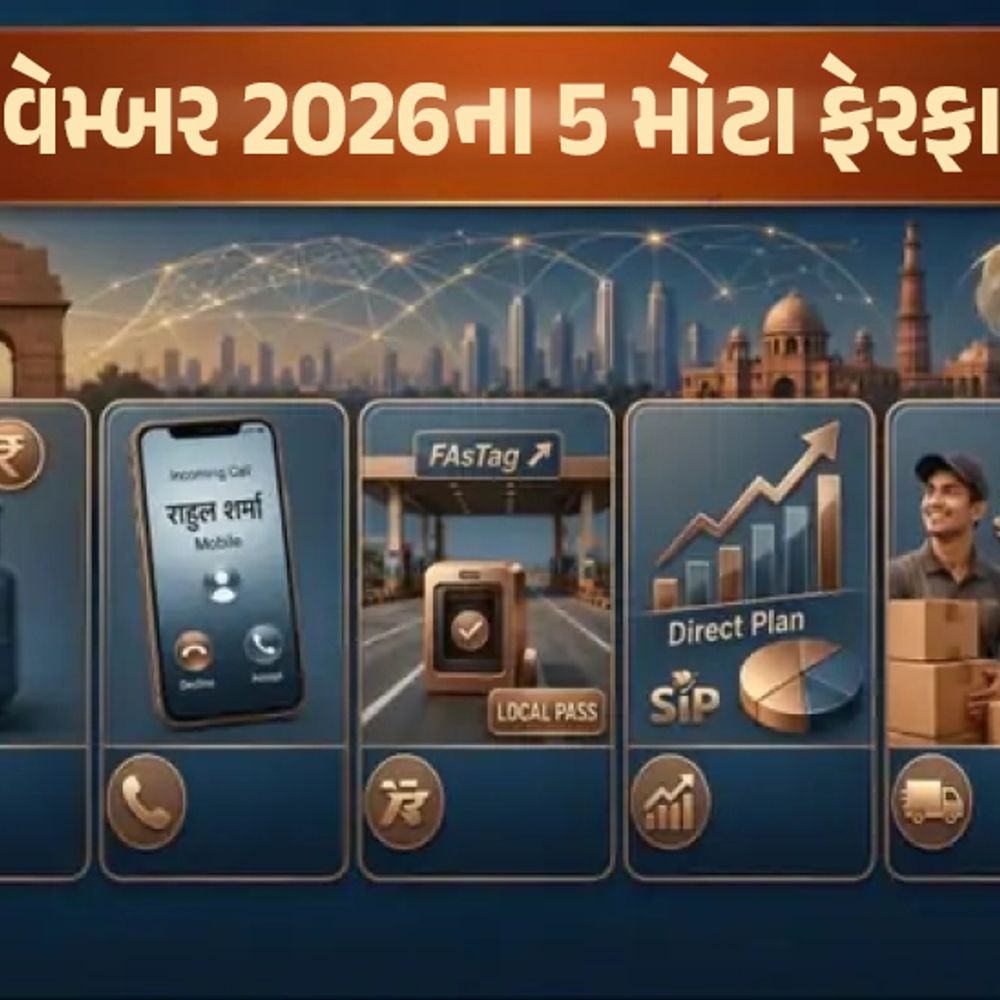
A series of significant regulatory and pricing revisions took effect across India at the start of November, impacting routine operational expenses ranging from commercial gas cylinders to electronic toll collection and telecommunication standards. Oil marketing companies and national regulatory bodies periodically update financial mandates and operational protocols on the first day of each month, bringing adjustments that directly influence consumer budgets and enterprise spending.
Among the most immediate shifts noted ahead of festive spending is an upward revision in the price of commercial liquefied petroleum gas cylinders. While domestic cooking gas rates typically remain insulated under specific policy interventions, revisions to commercial cylinders commonly influence operational costs for restaurants, catering services, and small food enterprises across urban centers.
Alongside fuel adjustments, telecommunications authorities have enforced tighter compliance mechanisms aimed at checking spam calls, unsolicited messaging, and spoofing practices. Under guidelines issued by regulatory oversight bodies, telecom service providers are mandated to enhance message traceability and verify sender credentials to shield subscribers from financial fraud and persistent commercial intrusions.
Commuters also face modifications in highway transit and toll management protocols across national routes. National highway authorities and banking networks have continuously refined electronic toll collection frameworks, requiring updated documentation under standard Know Your Customer requirements to ensure seamless processing at FASTag lanes and reduce physical bottlenecks.
Such administrative updates arrive routinely as public sector undertakings, utility providers, and financial regulators synchronize operational policies with shifting market conditions and digital security benchmarks. The start of each calendar month serves as the standard operational window for publishing revised tariffs, commercial fuel costs, and banking compliance directives across the country.
For average households and small retail business owners, modest adjustments across multiple utility heads can accumulate over an entire billing cycle. Although direct retail prices for certain essential household staples may not alter simultaneously, commercial fuel revisions often pass down into dining, local logistics, and related third-party service costs over time.
Financial observers emphasize that consumers must stay informed about evolving digital and regulatory norms, particularly regarding mobile network verification and automated tolling accounts. Ensuring active compliance with updated validation protocols remains essential for vehicle owners and account holders wishing to avoid unexpected transit interruptions or administrative surcharges.
As market participants adapt to these updated benchmarks throughout November, industry analysts will observe whether commercial fuel adjustments stabilize or experience subsequent revisions heading into the coming quarter. Regulatory bodies continue to emphasize that ongoing systemic adjustments aim to enhance consumer security and maintain transparency across essential public utility networks.
Primary source: Divya Bhaskar Utility. Newzly rewrites and structures source reporting for clarity; verify critical details at the original.