India Implements November Regulatory Shifts Covering LPG Prices, Tolls, and Telecom
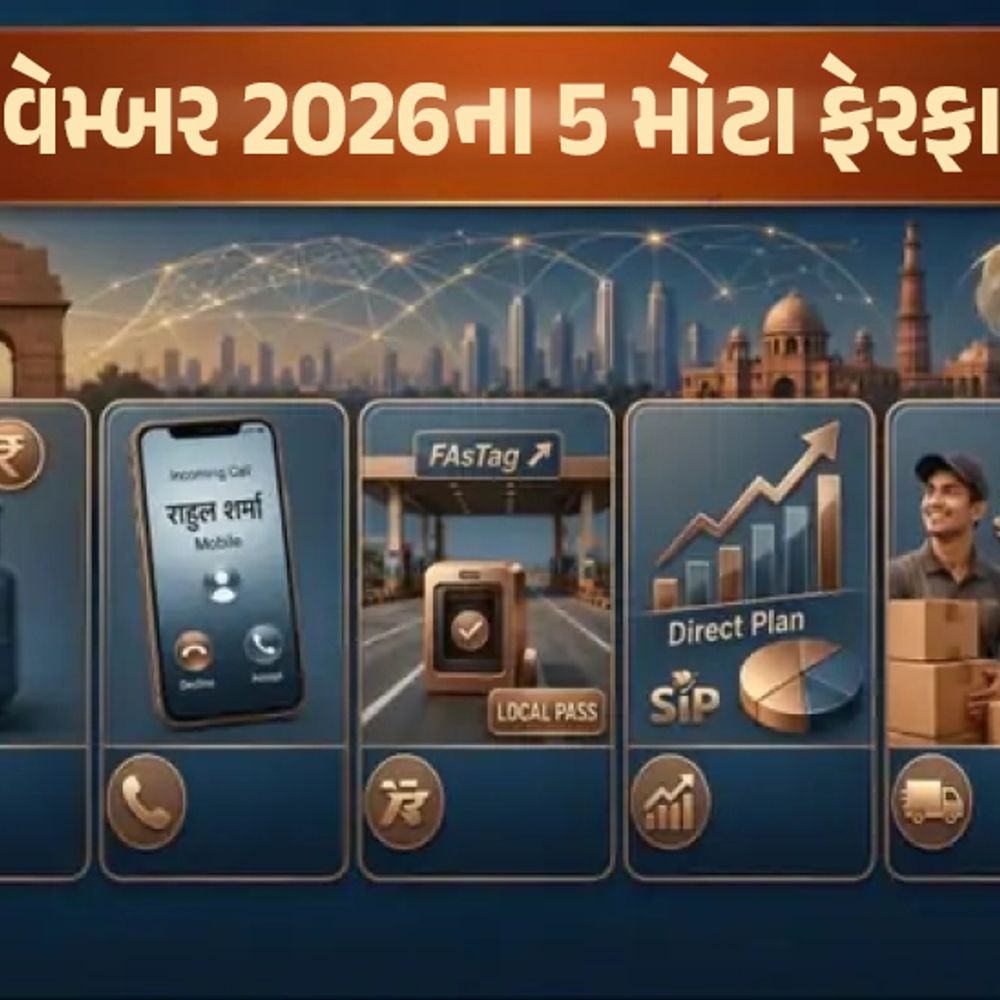
Key financial and regulatory changes took effect across India at the start of November, altering LPG cylinder prices ahead of the festive season alongside updated rules for phone calls and highway toll collection.
In this piece
Consumers across India are navigating a series of administrative and regulatory shifts that took effect at the beginning of November. The updates encompass…
A slate of major regulatory and consumer policy changes took effect across India at the start of November, directly influencing household expenses and routine services. The revisions span adjustments to liquefied petroleum gas cylinder pricing ahead of the festive season, updated telecommunications standards governing phone calls, and refined toll tax collection mechanisms.
The beginning of each calendar month routinely serves as a formal window for Indian regulatory bodies and state-run enterprises to implement statutory rate revisions and procedural updates. Oil marketing companies, transport authorities, and telecom watchdogs frequently synchronize operational adjustments with the first day of the month, establishing revised cost structures for consumers and businesses alike.
Among the most direct pocketbook adjustments is the revision of liquefied petroleum gas cylinder rates. Fuel retailers typically review commercial and domestic fuel costs on a monthly basis, aligning rates with international benchmark energy prices and exchange rates. The timing of the price shift is particularly sensitive for consumers and commercial operators, coming in the midst of heightened festive demand across the country.
While specific retail adjustments vary across individual distribution circles and municipal boundaries, fluctuations in fuel cylinder costs typically register immediate effects on commercial kitchens and hospitality establishments. Small restaurants, caterers, and street-food vendors operating during peak festive gatherings frequently face margin pressures whenever cylinder tariffs rise, often forcing businesses to reassess their operational expenses.
Alongside fuel updates, national telecommunications frameworks saw fresh regulatory scrutiny targeting voice calls and network communications. Sectoral authorities have consistently advanced measures aimed at curbing unsolicited commercial communications, enforcing stricter message traceability, and refining connection protocols to combat spam. These measures intend to enhance subscriber security and network integrity without disrupting routine voice traffic.
Transportation procedures also featured prominently among the month's regulatory updates, specifically regarding electronic toll collection and highway fee structures. National highway management bodies have steadily tightened compliance around automated tolling systems, addressing technical validation rules and standardizing toll booth transits to alleviate congestion across major transit corridors.
Taken together, the convergence of multiple administrative adjustments underscores the cumulative pressure routinely exerted on personal finances at the start of a new month. Even incremental increases in essential utility tariffs or routine transit fees can influence monthly discretionary spending, prompting households to balance festival expenditures against everyday operating costs.
For the commercial transport and logistics sectors, periodic updates to highway toll systems and fuel inputs directly shape transport overheads. Freight operators and commercial fleet managers must routinely absorb or pass along incremental cost shifts, which can gradually filter through the broader retail supply chain in subsequent weeks.
As the new rules take effect across respective jurisdictions, consumers and enterprises will be observing how enforcement unfolds across regional markets. Market watchers note that public compliance and operational adjustments over the coming weeks will determine whether the revised measures deliver intended efficiency gains or generate secondary pricing adjustments across downstream consumer goods.
Primary source: Divya Bhaskar Utility. Newzly rewrites and structures source reporting for clarity; verify critical details at the original.