world·Delhi·New Delhi District
India Pledges $1.6 Billion to Nepal in Major Reset of Ties
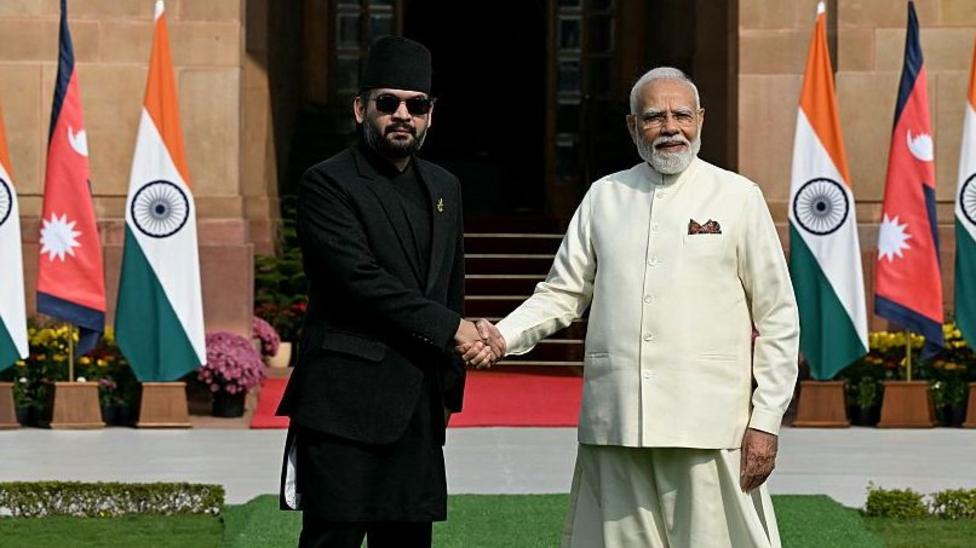
India has pledged $1.6 billion in economic aid to Nepal as Kathmandu rebuilds from devastating floods, securing vital port access and cross-border rail links while setting long-standing political friction aside.
In this piece
India has pledged a $1.6 billion assistance package to help Nepal rebuild after deadly floods, marking a major reset in bilateral ties. The agreement delivers…
India has pledged a landmark $1.6 billion financial package to Nepal, marking a decisive diplomatic reset between the two South Asian neighbors as Kathmandu works to recover from catastrophic floods. The sweeping agreement was finalized during high-level bilateral discussions, paving the way for critical reconstruction funding alongside major cross-border transport and trade arrangements. Under the framework, Nepal secured vital financial backing, improved access to Indian maritime ports, and the launch of a new passenger train service.
The multifaceted assistance package combines direct grant assistance designated for post-disaster rebuilding with expansive concessional credit lines aimed at long-term infrastructure. The funding comes as Nepal confronts an extensive rebuilding bill following recent deadly floods and landslides that devastated critical infrastructure across several provinces. Officials indicated that the capital infusion will prioritize restoring shattered road networks, bridges, and energy transmission systems that were paralyzed by the natural disaster.
Beyond disaster recovery, the bilateral accord places significant emphasis on enhancing physical and logistics connectivity between the two nations. Central to this push is the rollout of a new cross-border passenger rail service designed to deepen cultural, economic, and tourism ties across the international frontier. The expanded railway link provides landlocked Nepal with faster regional transit, strengthening community links and facilitating seamless travel for pilgrims and daily commuters alike.
A vital component of the agreement addresses Nepal's long-standing transit challenges by granting expanded and streamlined access to Indian seaports. For landlocked Nepal, which relies extensively on Indian transit routes for overseas commerce, improved maritime terminal access is expected to reduce cargo handling costs and relieve persistent logistics bottlenecks. Trade officials anticipate that upgraded transit terms will significantly lower import expenses for essential commodities and accelerate export flows to international markets.
The diplomatic breakthrough required a deliberate recalibration of priorities by Nepal's prime minister, who chose to set aside contentious political and border disputes to secure urgent economic aid. Bilateral relations had previously experienced years of friction over unresolved border demarcations and diplomatic grievances that stalled joint initiatives. By depoliticizing immediate negotiations, Nepal's leadership chose to prioritize economic resilience and disaster recovery over long-standing geopolitical grievances.
The urgent need for external capital follows severe floods that caused widespread destruction, displaced thousands of families, and inflicted severe economic setbacks across Nepal. The disaster severely strained domestic finances, forcing the government to seek multilateral and bilateral partnerships to fund rebuilding efforts. The Indian assistance package offers immediate fiscal relief, allowing reconstruction authorities to accelerate emergency repairs before further economic disruption takes hold.
The reset carries profound geopolitical implications across the broader Himalayan region, where regional powers have competed for strategic influence and infrastructure development partnerships. By extending substantial financial and infrastructural support, India has reaffirmed its role as Nepal's primary economic and geographic partner. Analysts observe that New Delhi's swift commitment underscores its neighborhood-first approach, balancing external regional influences through tangible economic integration.
The comprehensive package signifies a pragmatic transition in cross-border relations, demonstrating that practical economic cooperation can advance despite sensitive unresolved disputes. By focusing on mutual interests in energy, transport, and disaster recovery, both governments have established a functional foundation for ongoing bilateral engagement. Business leaders and regional observers view the stabilization of ties as a critical catalyst for sustained regional commerce, cross-border energy trade, and post-flood recovery.
Moving forward, both administrations will work to establish implementation timelines for the promised capital disbursements and begin operationalizing the agreed transit facilities. Bilateral technical committees are expected to coordinate regulatory approvals for port operations while finalizing scheduling and infrastructure protocols for the newly introduced rail link. Although delicate territorial conversations remain unresolved for future diplomatic rounds, the immediate trajectory points toward focused economic cooperation and rapid post-disaster reconstruction.
Primary source: BBC Asia. Newzly rewrites and structures source reporting for clarity; verify critical details at the original.